
 EN
EN



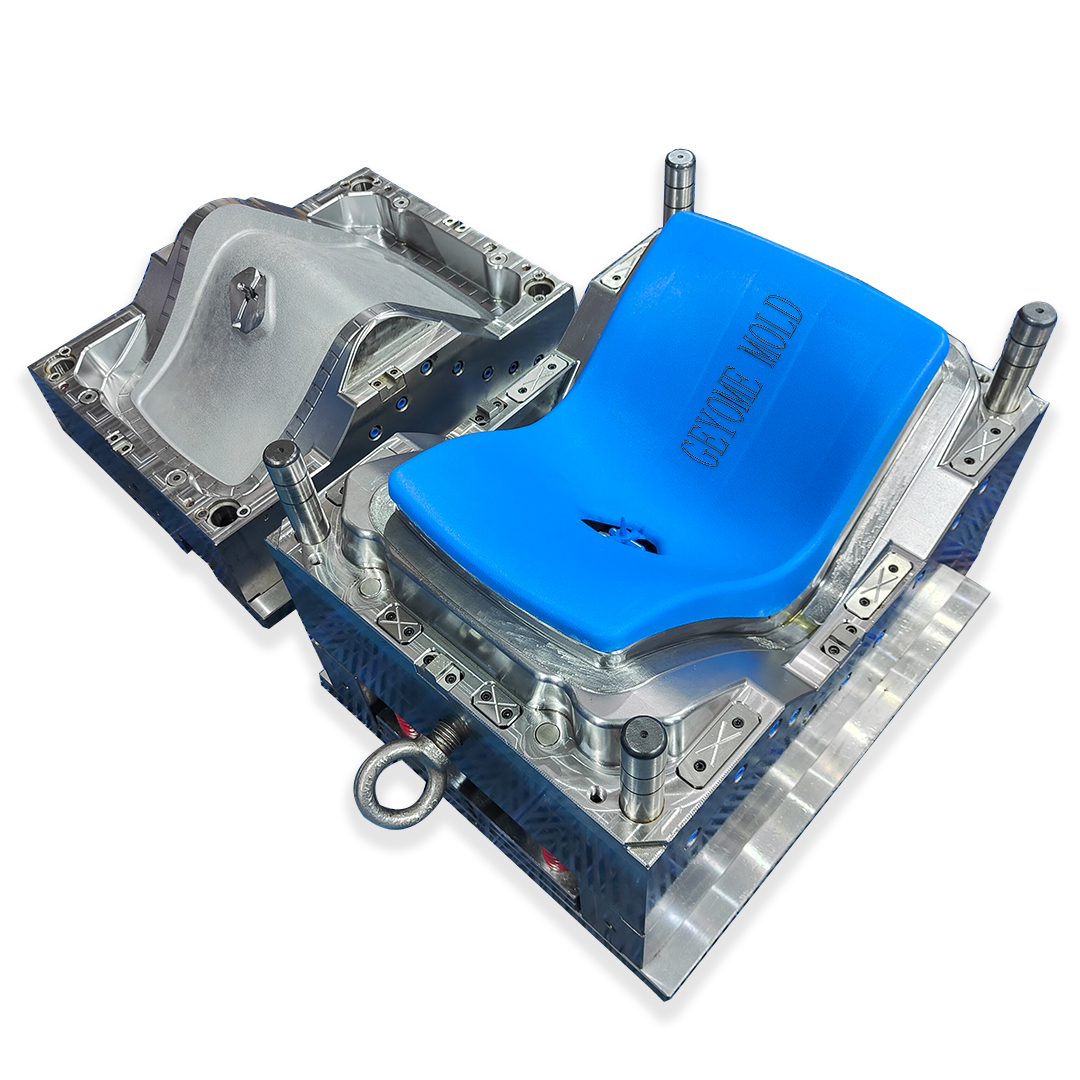
Touring a mold factory provides invaluable insight into production capabilities, quality control practices, and manufacturing standards. Whether you're sourcing plastic components, evaluating a custom mold supplier, or assessing a potential manufacturing partner, knowing what to inspect during a mold factory visit can significantly impact your decision-making process. A well-planned mold factory tour reveals operational excellence, technological investment, and the vendor's commitment to precision and reliability. Understanding the key areas to evaluate helps you identify whether a mold factory aligns with your project requirements and quality expectations.
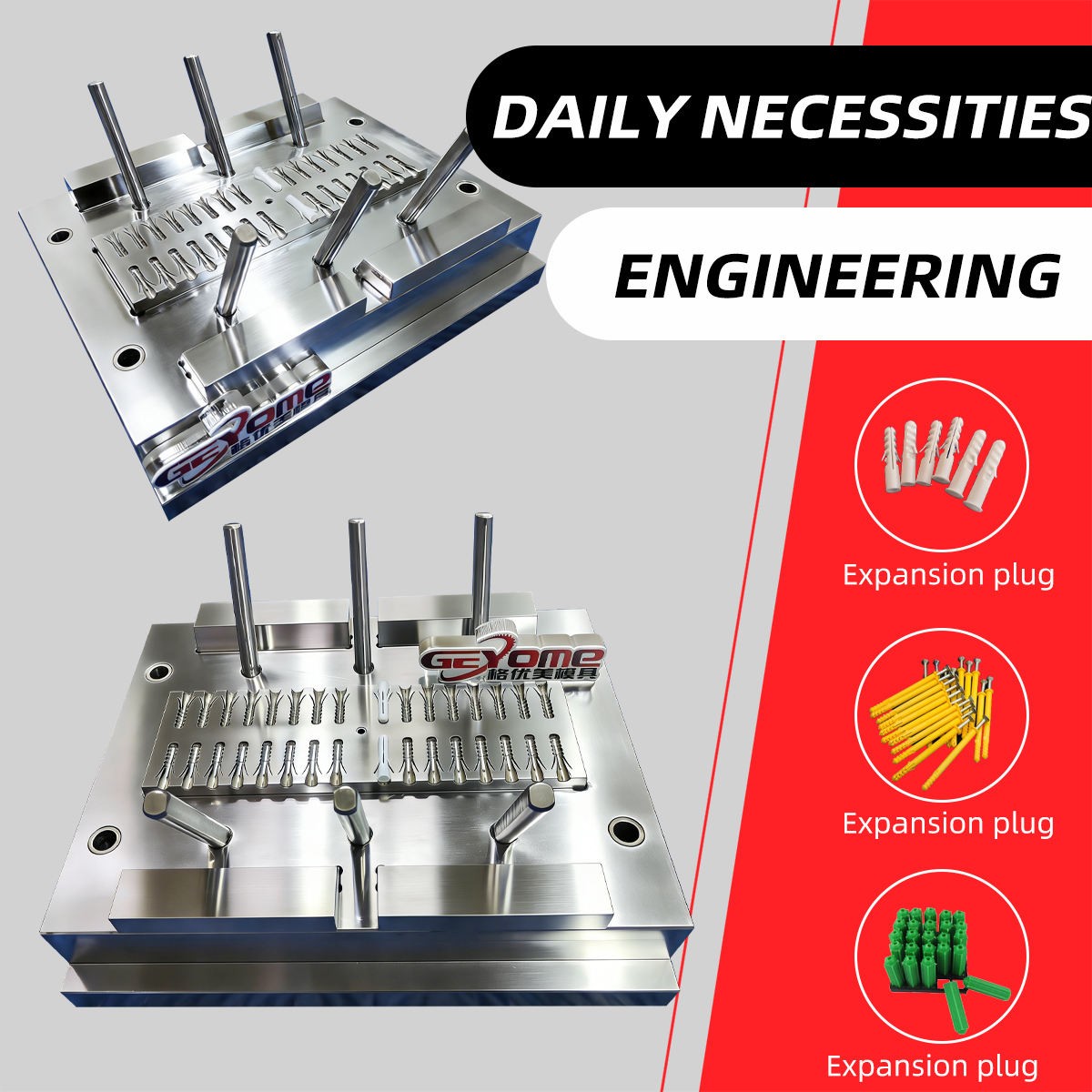
A strategic mold factory assessment goes beyond surface-level observations. The visit should focus on equipment condition, workforce expertise, quality certifications, production workflow, and facility organization. By systematically examining these elements, you gain confidence in the mold factory's ability to deliver on time, maintain consistency, and resolve issues proactively. This guide walks you through the essential inspection points that separate reliable mold factory operations from mediocre vendors.
Equipment and Technology Assessment
Machine Precision and Maintenance
The centerpiece of any mold factory is its machining equipment. During your mold factory tour, observe the CNC machines, injection presses, and finishing tools in operation. Well-maintained equipment in a professional mold factory typically shows clean work surfaces, organized tool storage, and regular maintenance schedules posted visibly. Ask about machine age, calibration frequency, and preventive maintenance protocols. A mold factory that invests in modern, precision equipment demonstrates commitment to tight tolerances and consistent quality. Request to see calibration certificates and maintenance records; reliable mold factory operators maintain detailed documentation of all maintenance activities.
Technology and Software Integration
Modern mold factory operations rely on CAD/CAM software, mold flow analysis, and digital quality monitoring systems. During your mold factory visit, inquire about design software capabilities, simulation tools, and quality assurance systems. A forward-thinking mold factory uses digital tools to detect potential issues before production begins, reducing iterations and improving accuracy. The mold factory should provide evidence of design verification meetings, analysis reports, and digital documentation protocols. Assess whether the mold factory's technological infrastructure supports complex projects, tight deadlines, and custom specifications relevant to your industry.
Quality Control and Certification Standards
Quality System Documentation and Certifications
Every credible mold factory should maintain ISO 9001 certification or equivalent quality management standards. During your mold factory tour, request to see current certifications, audit reports, and quality policy documentation. Ask about the mold factory's inspection process, sampling plans, and how they handle nonconforming parts. A professional mold factory maintains organized quality documentation, traceability records, and corrective action logs. The mold factory should clearly explain its inspection frequency, measurement equipment calibration, and statistical process control methods. Verify that the mold factory's quality standards match or exceed your industry requirements, whether for automotive, medical, consumer products, or industrial applications.
Measurement Equipment and Accuracy
Examine the mold factory's measurement and inspection tools during your visit. Look for coordinate measuring machines (CMMs), optical comparators, micrometers, and calibration gauges. Ask when the mold factory last calibrated these instruments and request proof of third-party calibration certifications. A mold factory committed to precision maintains an organized metrology lab with current calibration standards. The mold factory should demonstrate the ability to hold tight tolerances relevant to your specifications. Request sample inspection reports that show measurement data, tolerance analysis, and traceability documentation. This reveals how thoroughly the mold factory verifies quality at each production stage.
Production Workflow and Capacity Planning
Manufacturing Process and Lead Times
Understanding the mold factory's production workflow helps you assess realistic timelines and capacity constraints. During your mold factory tour, trace a typical project from design through shipping. Observe how the mold factory organizes work stations, manages material flow, and coordinates between departments. Ask about current capacity utilization, typical lead times for similar projects, and how the mold factory handles rush orders. A well-organized mold factory maintains clear work schedules, material tracking, and production documentation. The mold factory should transparently discuss any production bottlenecks, seasonal fluctuations, or capacity limitations that could affect your project timeline.
Raw Material Management and Sourcing
Visit the material storage area during your mold factory inspection to assess how the mold factory handles raw materials. Observe whether the mold factory stores steel, aluminum, and plastics in climate-controlled, organized environments. Ask about the mold factory's supplier relationships, material traceability systems, and quality verification procedures for incoming materials. A professional mold factory maintains material certifications, batch documentation, and inventory tracking systems. The mold factory should explain how it sources materials, verifies material properties, and prevents contamination or degradation. This level of attention ensures that the mold factory produces molds with consistent material integrity and performance characteristics.
Workforce Expertise and Safety Standards
Technical Skills and Team Composition
The people working in a mold factory are fundamental to its success. During your tour, observe the workforce's professionalism, technical competence, and engagement levels. Ask about the mold factory's training programs, certification requirements, and career development pathways. A mold factory with experienced technicians, skilled machinists, and knowledgeable engineers demonstrates strong technical capability. The mold factory should provide information about average employee tenure, apprenticeship programs, and ongoing skill development initiatives. Long-term employees in a mold factory often indicate stable operations and accumulated expertise that benefits customer projects through faster problem-solving and higher quality outcomes.
Safety Protocols and Workplace Organization
Safety standards reflect the mold factory's overall operational discipline. During your mold factory visit, observe whether workers wear appropriate personal protective equipment, machine guards are properly installed, and safety signage is visible throughout the facility. Ask the mold factory about its safety record, incident reporting system, and safety training frequency. A professional mold factory maintains clean work areas, organized tool storage, and clearly marked hazard zones. Request information about the mold factory's safety certifications, worker compensation history, and emergency response procedures. A mold factory that prioritizes employee safety typically demonstrates the same attention to detail and process discipline that ensures product quality and reliability.
FAQ
What questions should I ask during a mold factory tour?
Focus on understanding the mold factory's quality control processes, equipment maintenance schedules, design capabilities, production capacity, and lead time estimates. Ask specifically about the mold factory's experience with your industry, similar project examples, and how it handles modifications or urgent requests. Request information about certifications, testing capabilities, and the mold factory's approach to problem-solving when issues arise during production.
How can I assess quality in a mold factory inspection?
Evaluate the mold factory's quality systems by reviewing ISO certifications, inspection procedures, measurement equipment, and documentation practices. Ask to see sample inspection reports, traceability records, and corrective action logs. Observe the cleanliness of the work environment, organization of the quality lab, and the mold factory's statistical process control methods. Request examples of how the mold factory identifies and corrects defects before products reach customers.
What red flags should I watch for during a mold factory visit?
Be cautious if the mold factory avoids showing certain areas, resists sharing documentation, or cannot clearly explain quality processes. Red flags include disorganized workspaces, poorly maintained equipment, lack of current certifications, vague answers about capacity or timelines, and inability to provide references. If a mold factory seems unwilling to discuss safety practices, employee training, or quality standards, consider it a significant warning sign that may indicate deeper operational issues.