automotive plastic injection molding
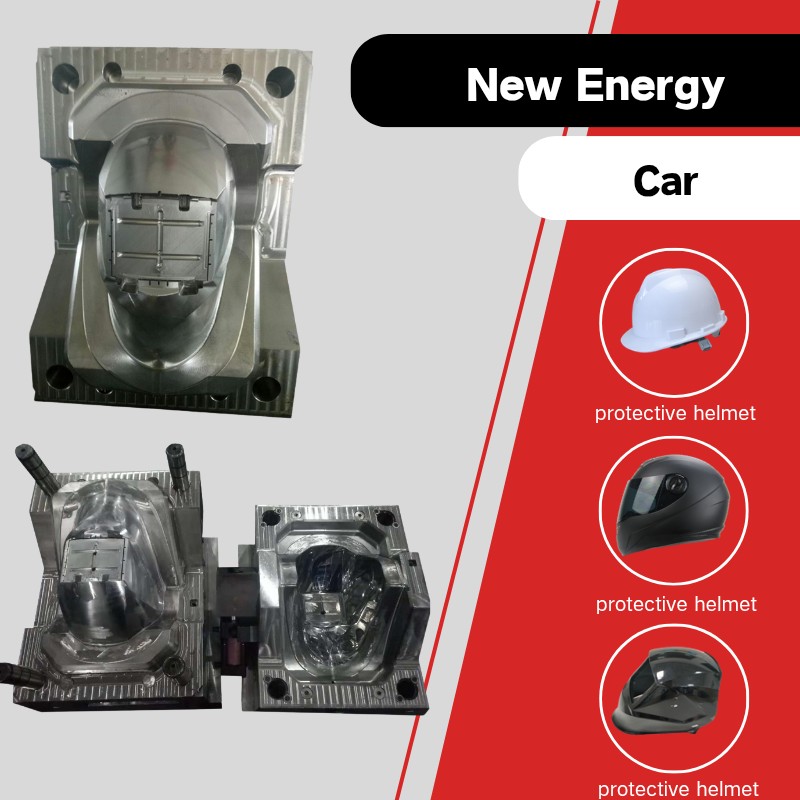
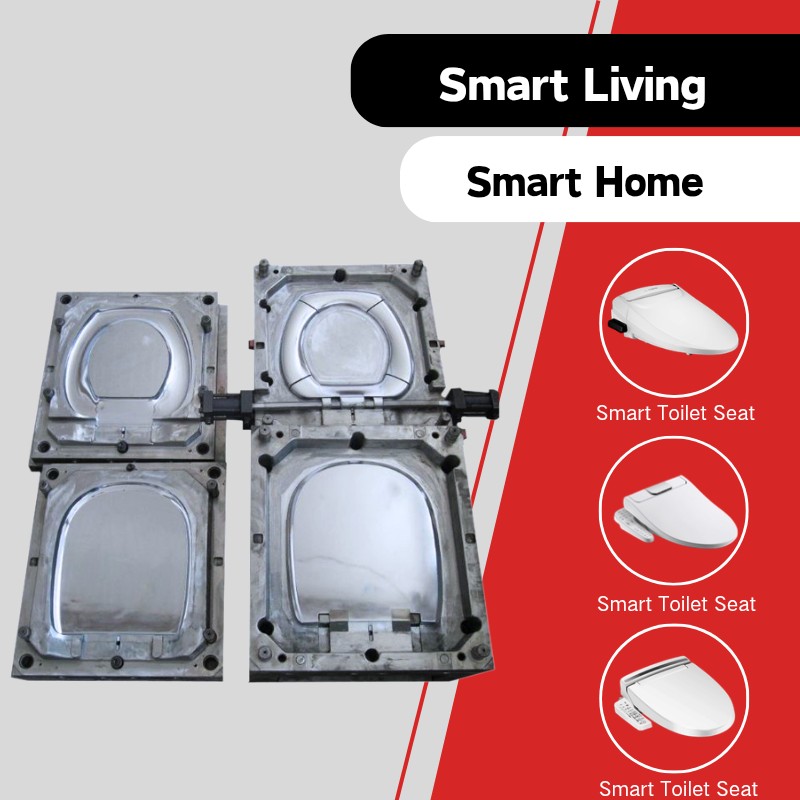
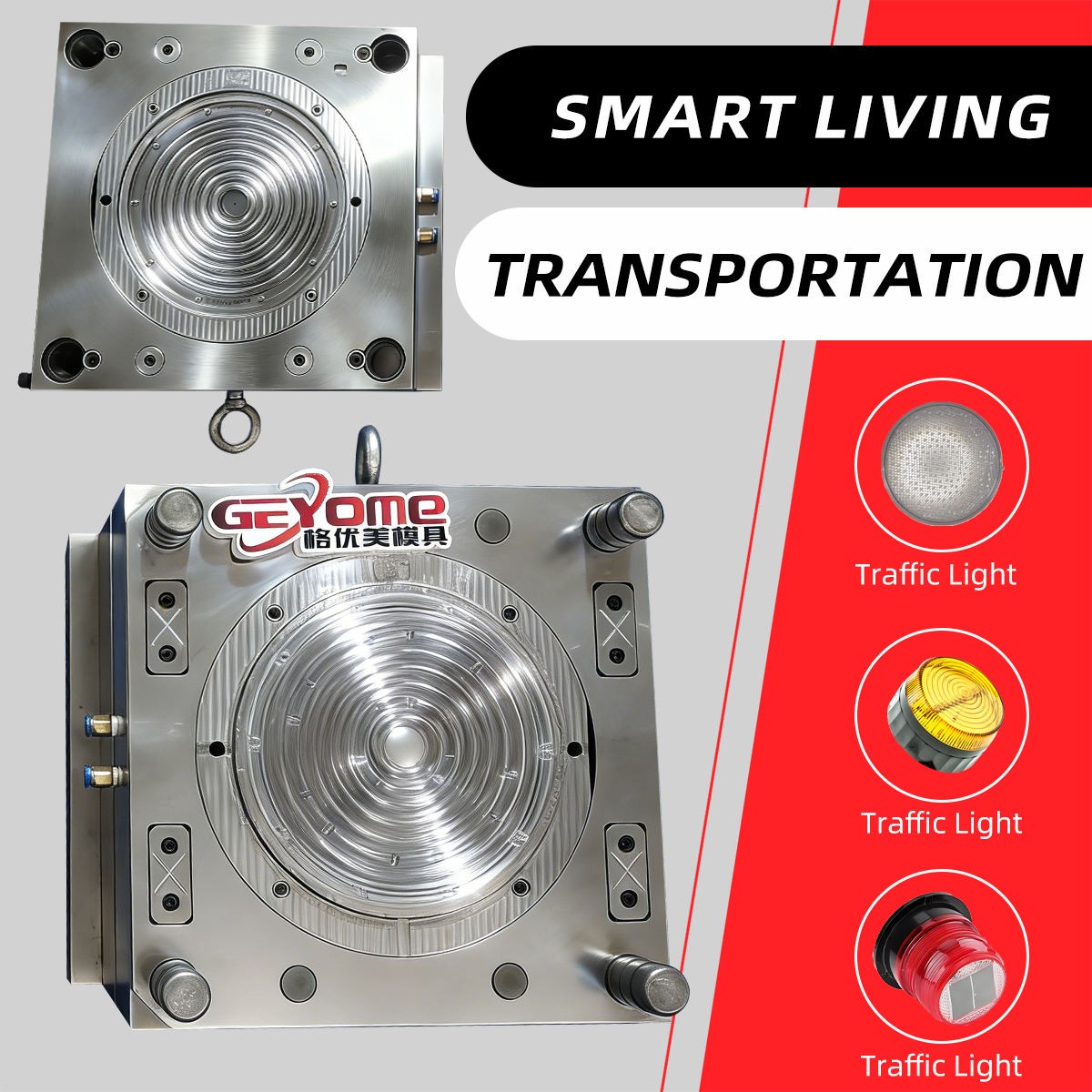
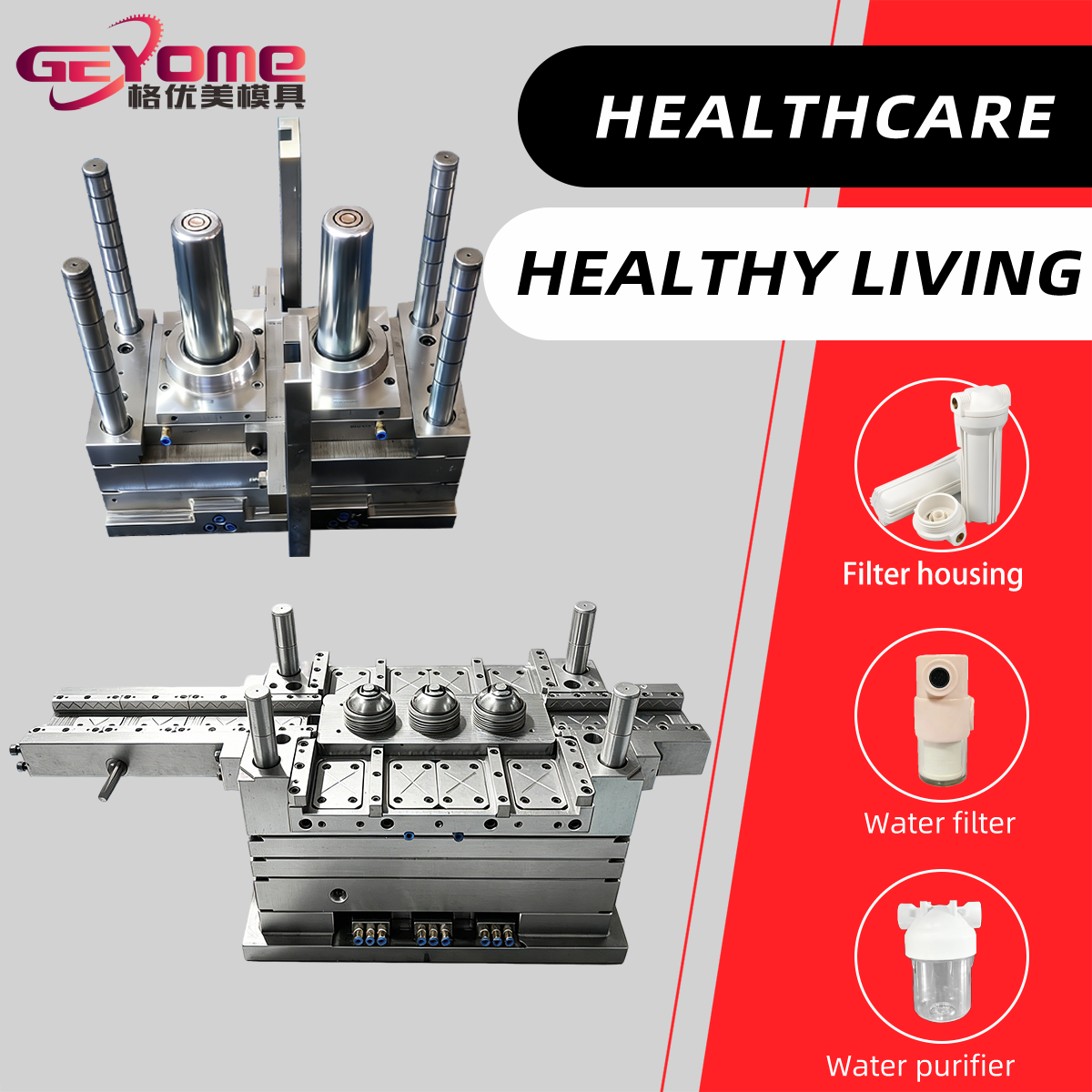
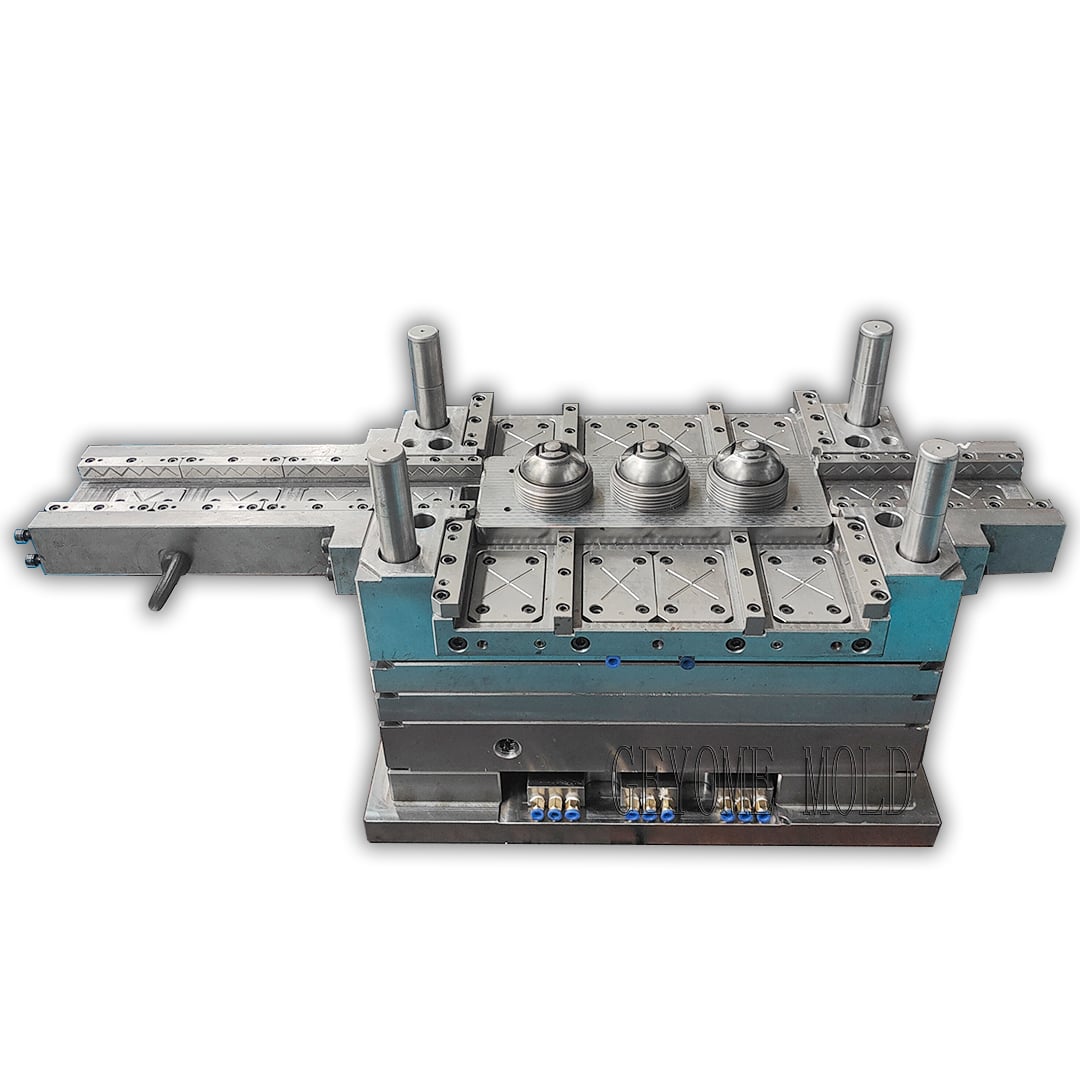
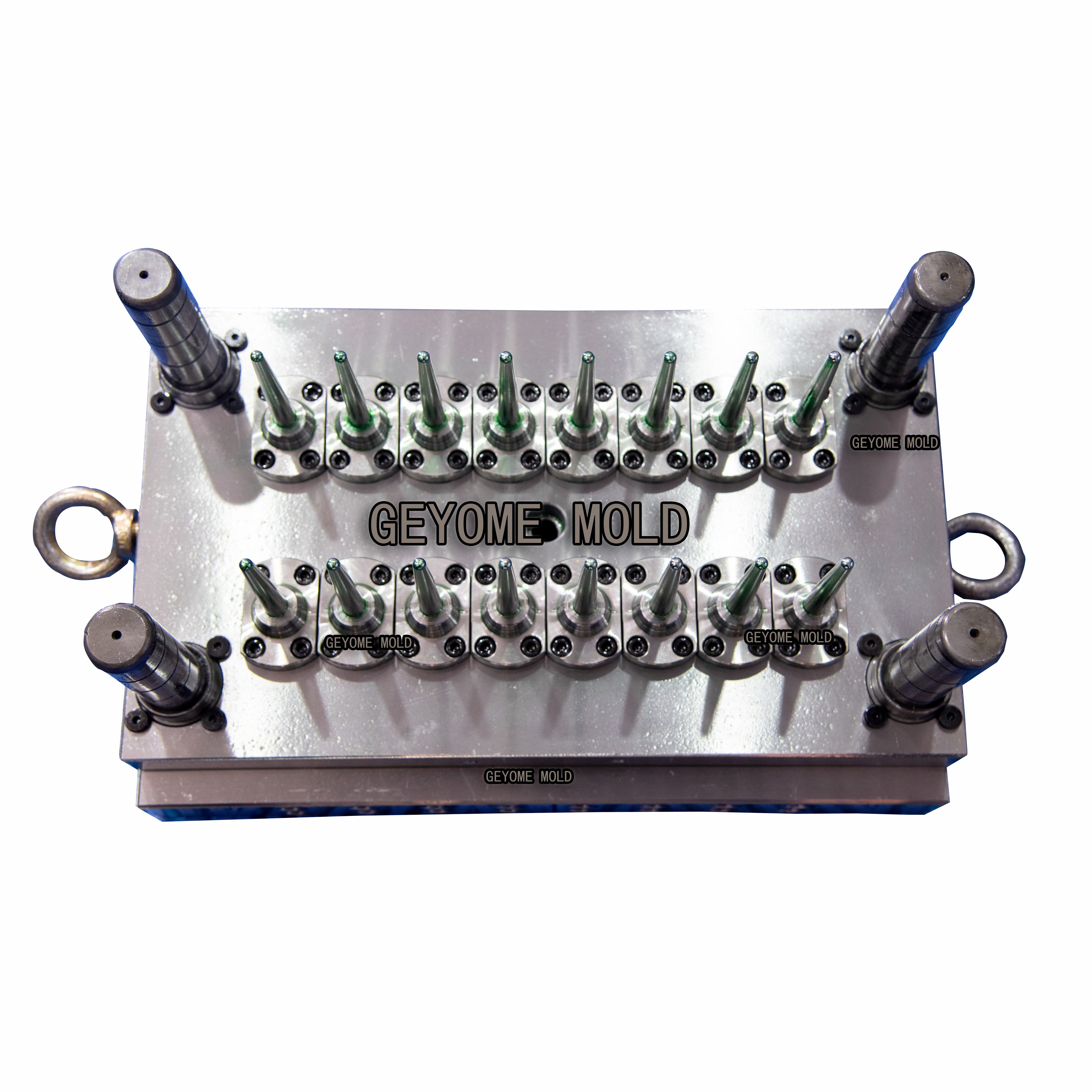
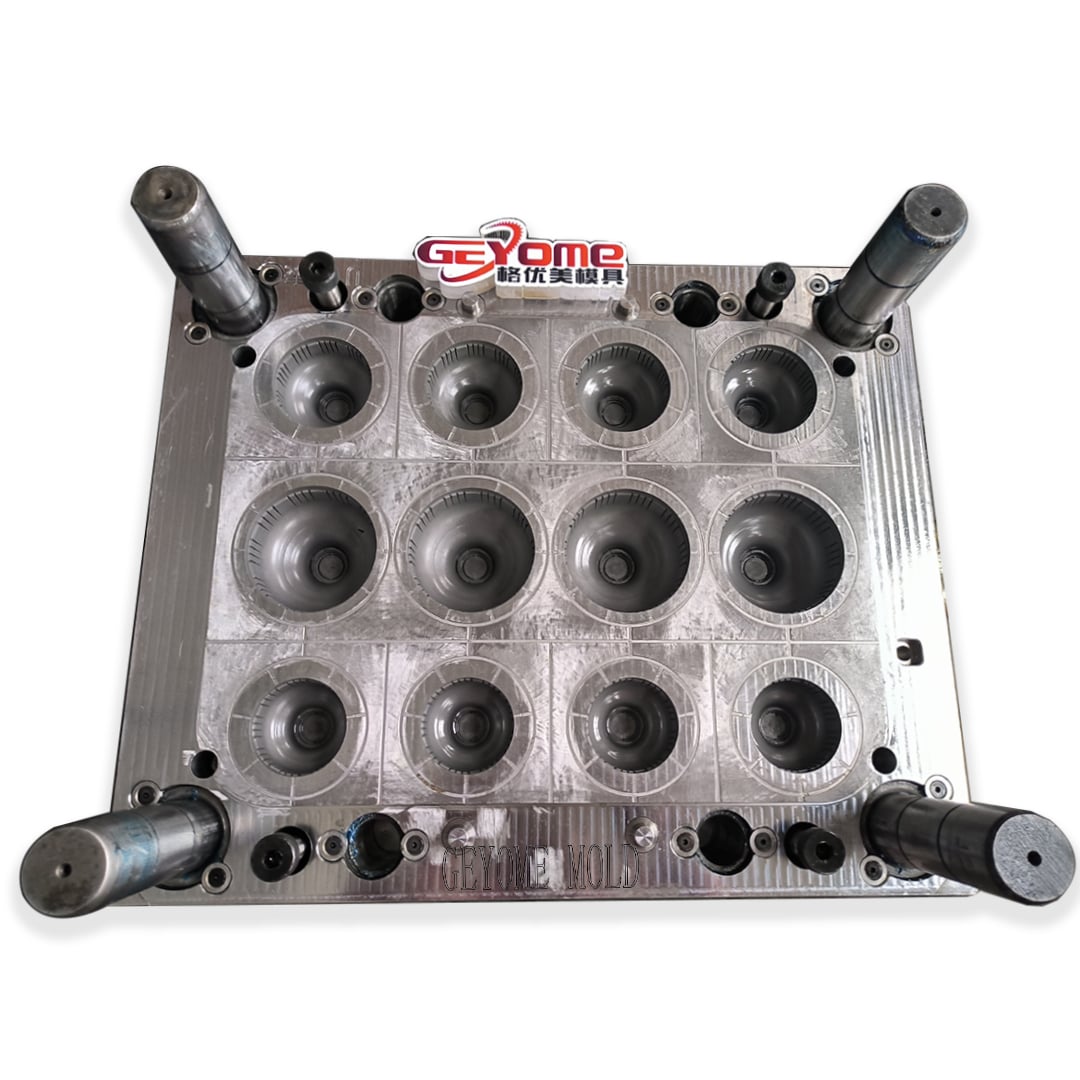
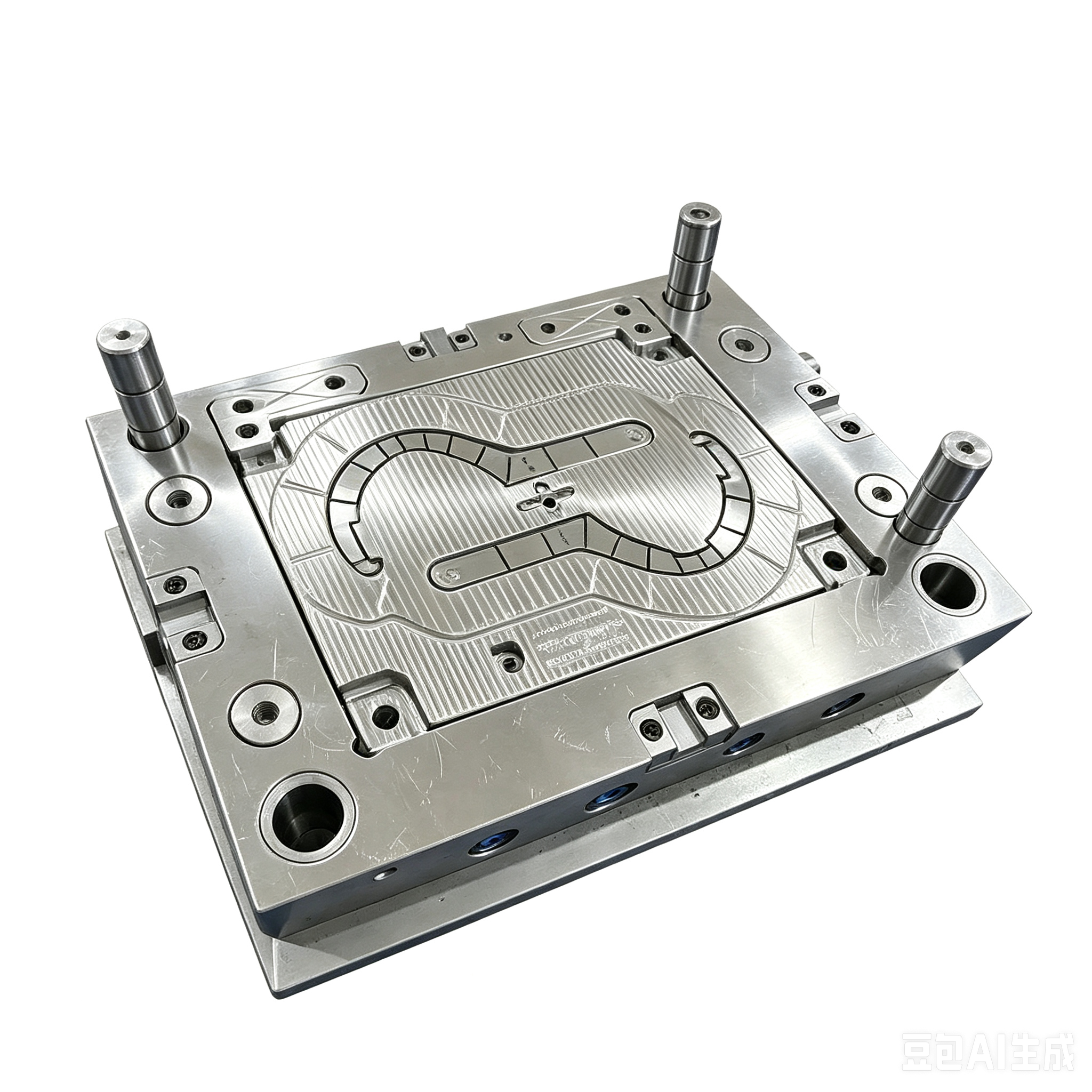
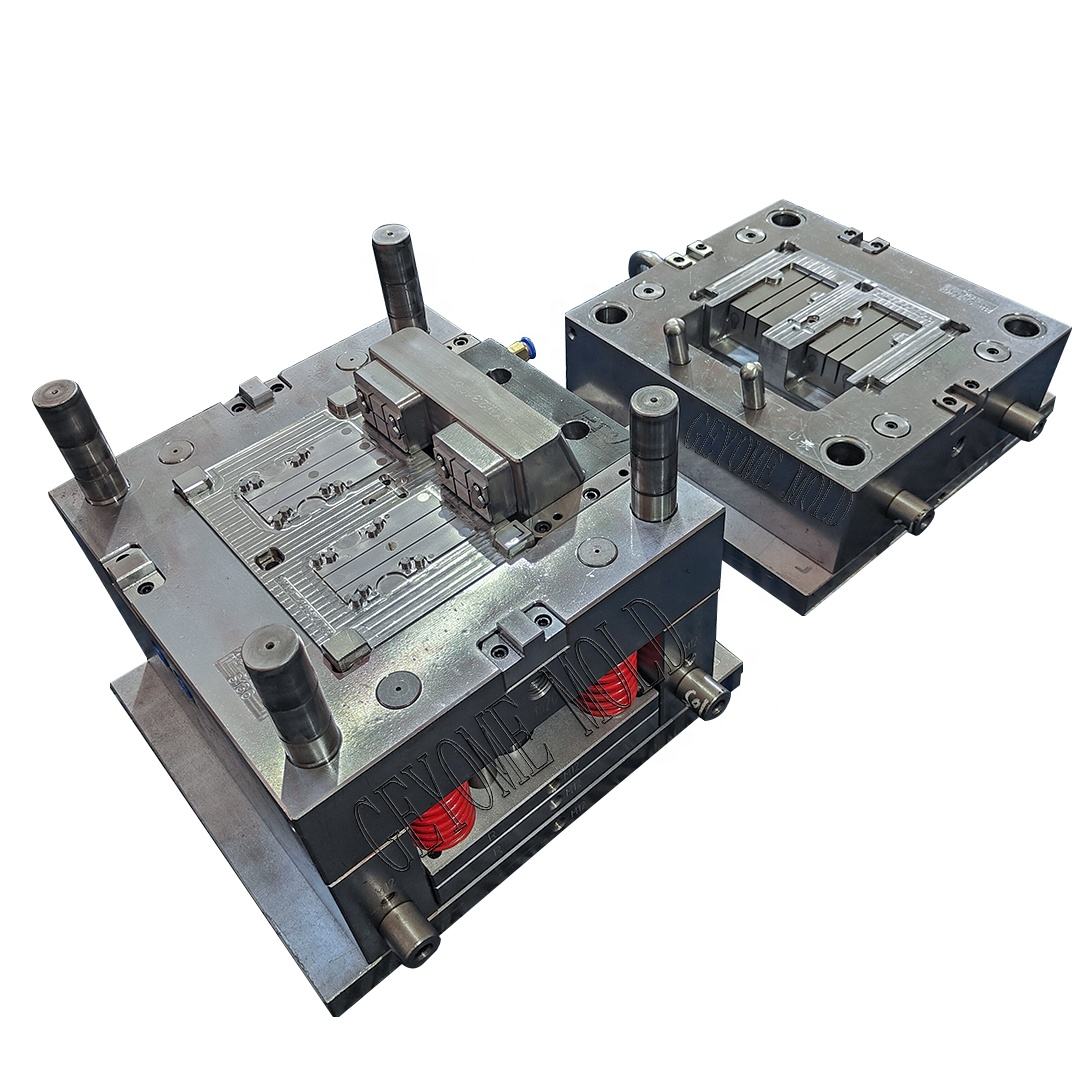
Automotive plastic injection molding represents a fundamental manufacturing process that shapes thermoplastic materials into precise components for vehicles. This technology involves heating plastic pellets until they become molten, then injecting the liquid material into custom molds under high pressure. As the plastic cools, it solidifies into the exact shape of the mold cavity, creating finished parts ready for assembly. Automotive plastic injection molding serves multiple critical functions within vehicle production, including manufacturing interior trim, exterior body panels, fluid reservoirs, and intricate mechanical components. The process delivers exceptional dimensional accuracy, with tolerances often measured in fractions of a millimeter. Technological features of modern automotive plastic injection molding include computer-controlled temperature management, multi-cavity molds that produce numerous parts simultaneously, and advanced cooling systems that reduce cycle times significantly. These innovations enable manufacturers to produce high-quality components efficiently while minimizing material waste. Applications of automotive plastic injection molding span throughout vehicle design, from dashboard components and door panels to fuel tanks and engine covers. Lightweight plastic parts produced through automotive plastic injection molding help reduce overall vehicle weight, improving fuel efficiency and performance. The flexibility of this manufacturing method allows designers to create complex geometries that would be impossible with traditional metalworking techniques, making automotive plastic injection molding essential in modern vehicle production.

 EN
EN