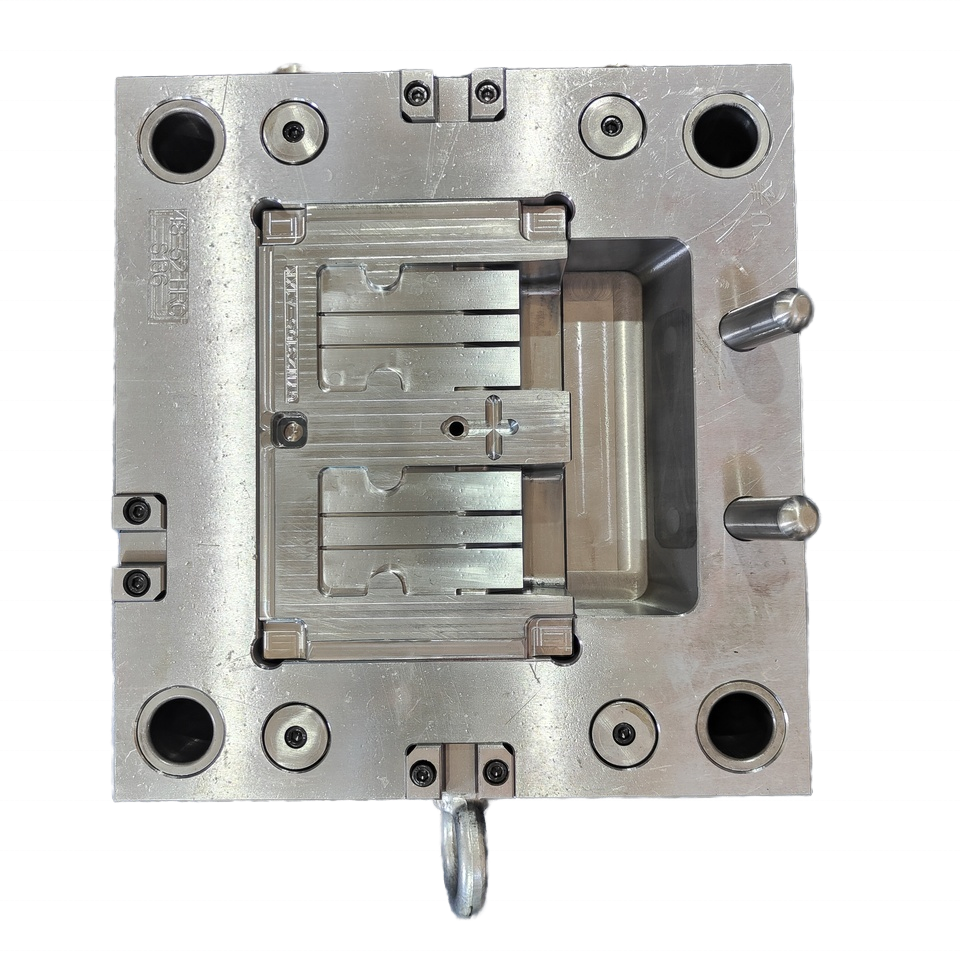
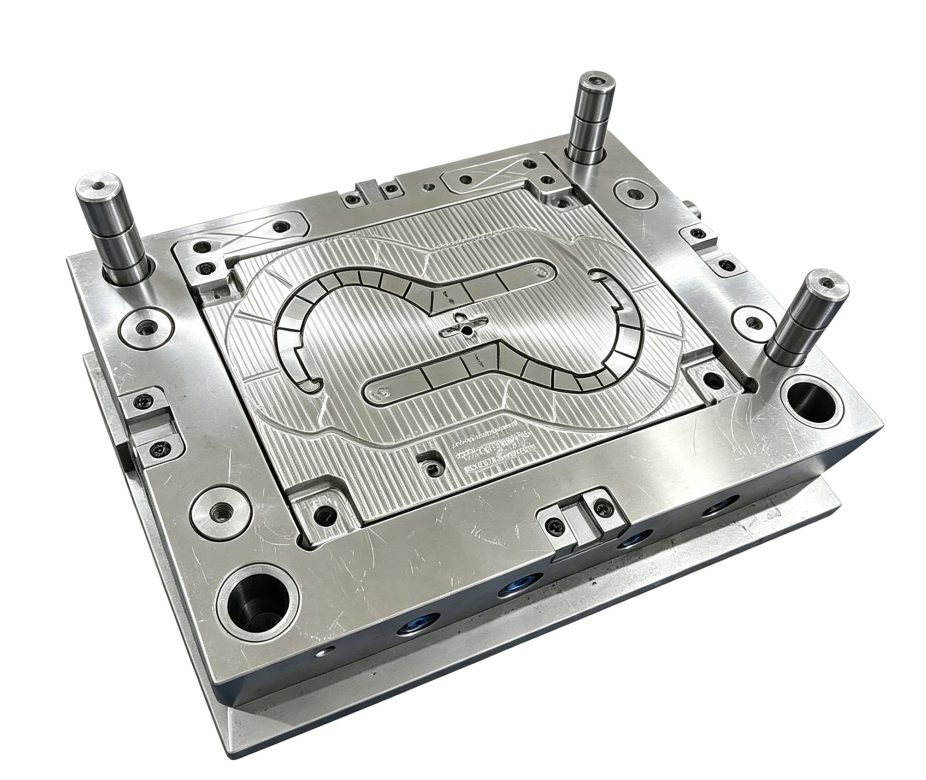
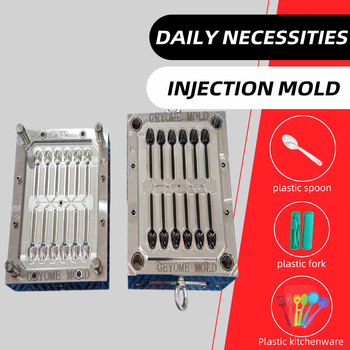
injection molding
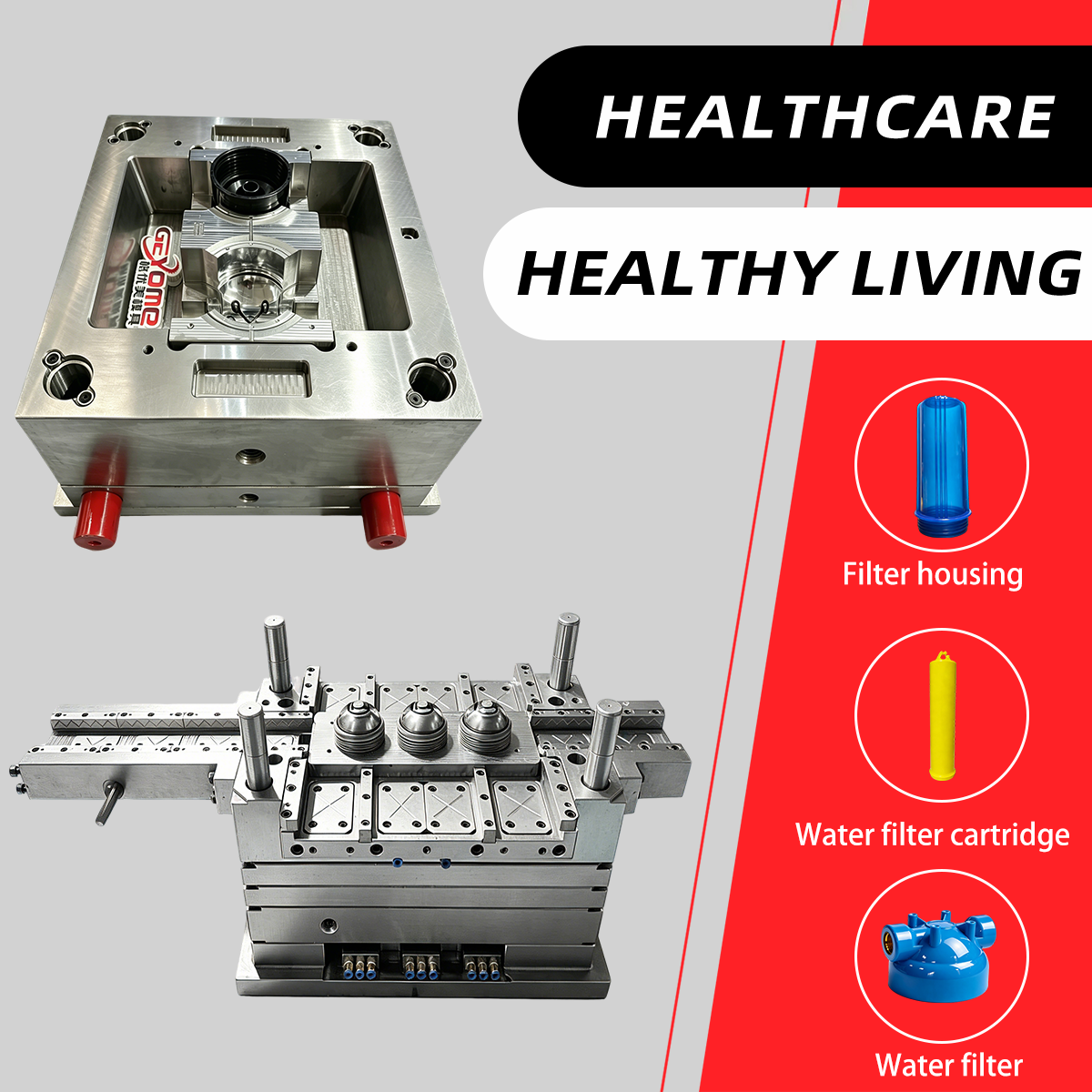
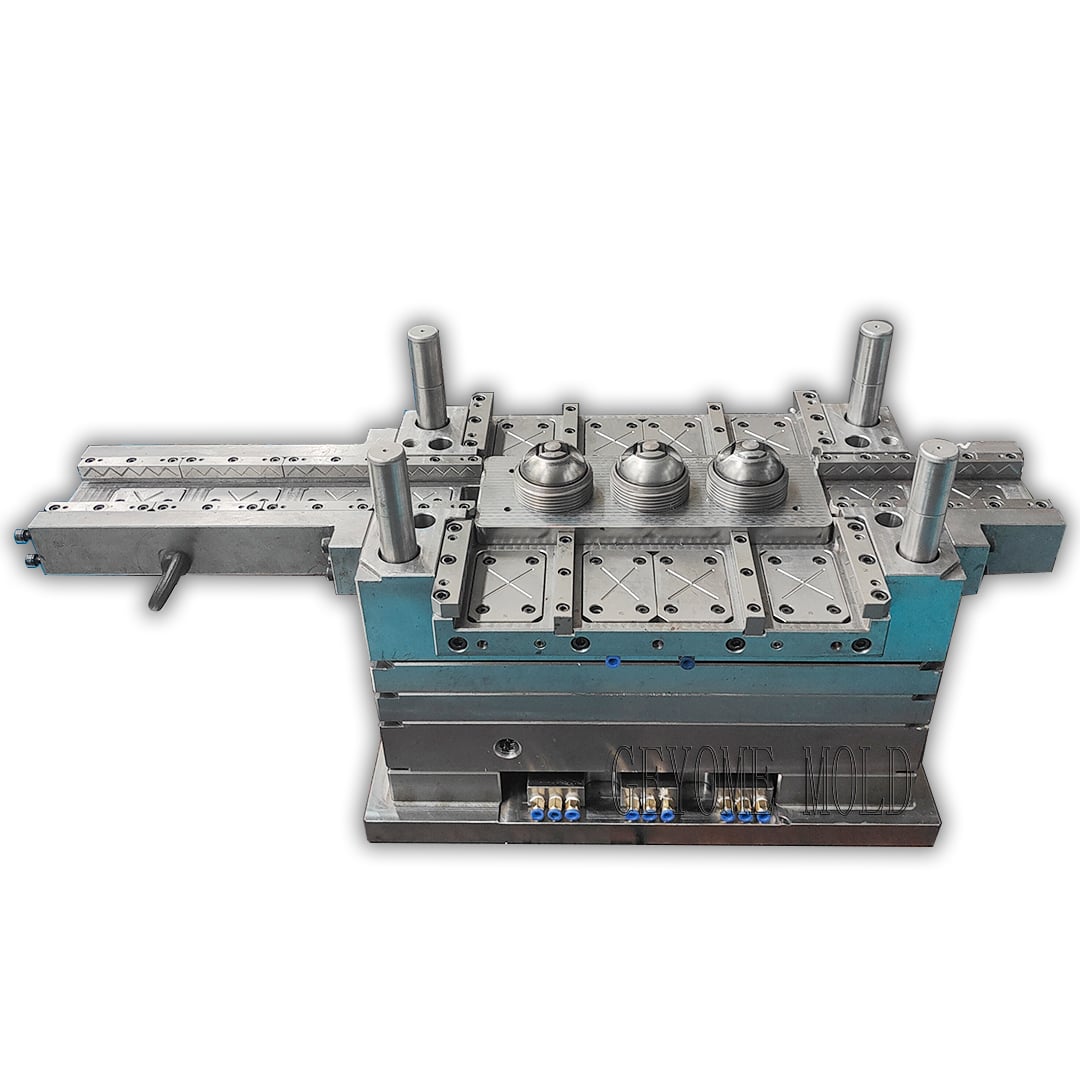
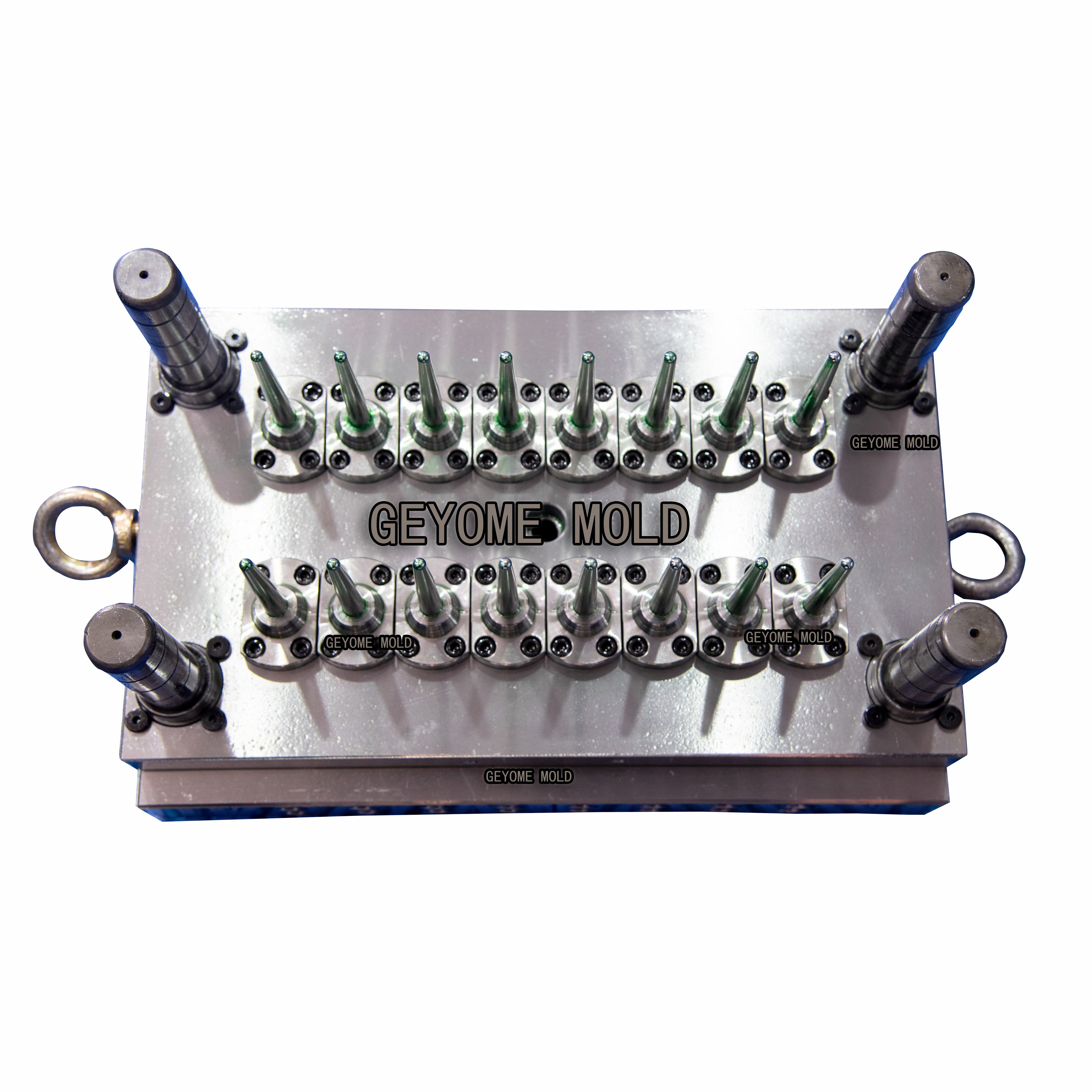
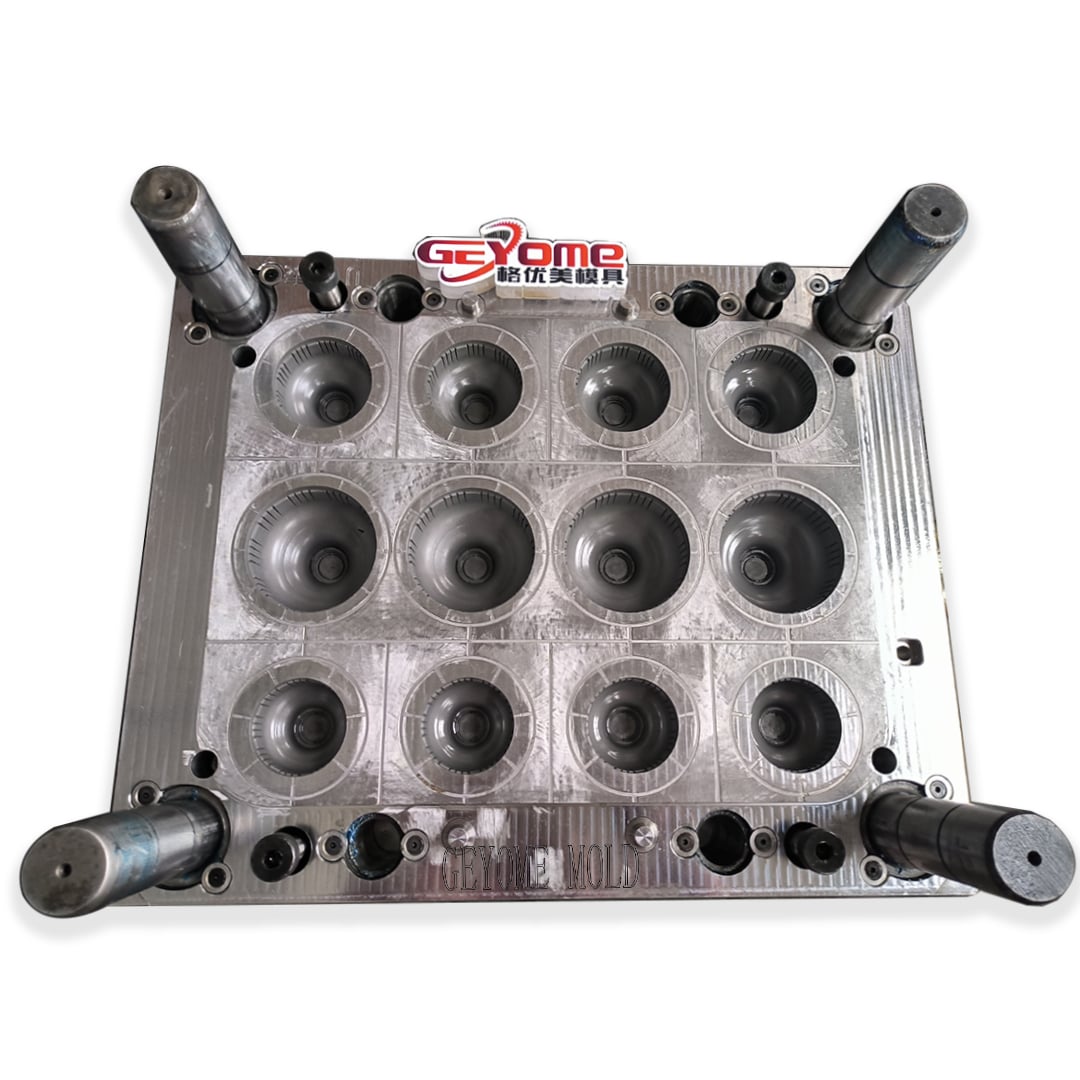
Injection molding represents a sophisticated manufacturing process that transforms raw plastic materials into precision-engineered components with remarkable efficiency. This advanced injection molding technique involves heating plastic pellets until they reach a molten state, then injecting the liquefied material under high pressure into carefully designed molds. The process rapidly cools the plastic within the mold cavity, producing finished parts that emerge ready for use or minimal finishing.
The technological features of injection molding include computer-controlled systems that precisely regulate temperature, pressure, and injection speed. Modern injection molding equipment incorporates servo motors and real-time monitoring sensors, enabling manufacturers to maintain strict quality standards and consistent dimensional accuracy. The process accommodates various plastic materials, including thermoplastics, thermosetting polymers, and specialized engineering resins.
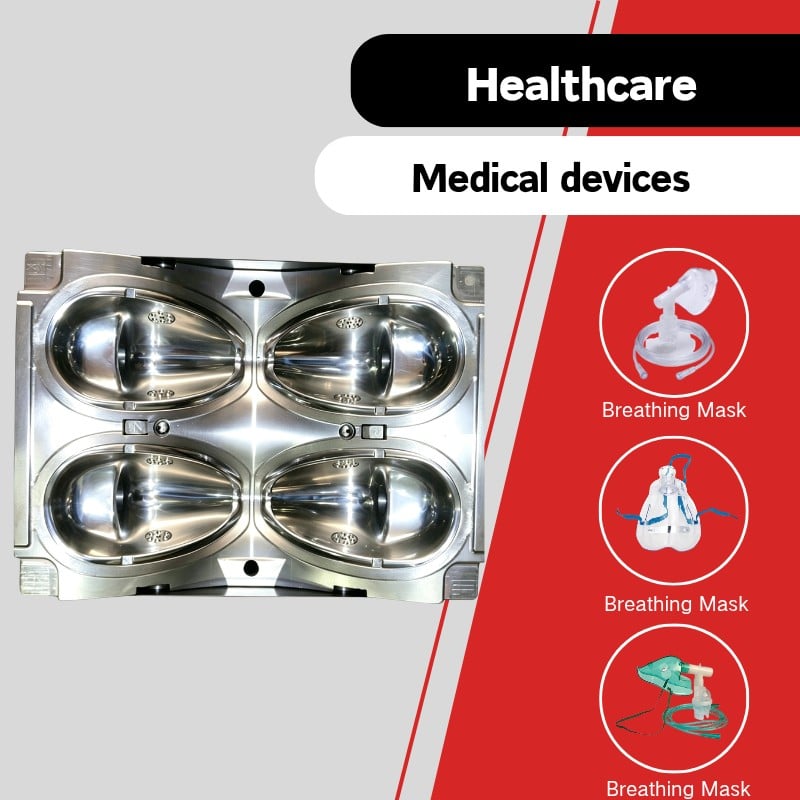
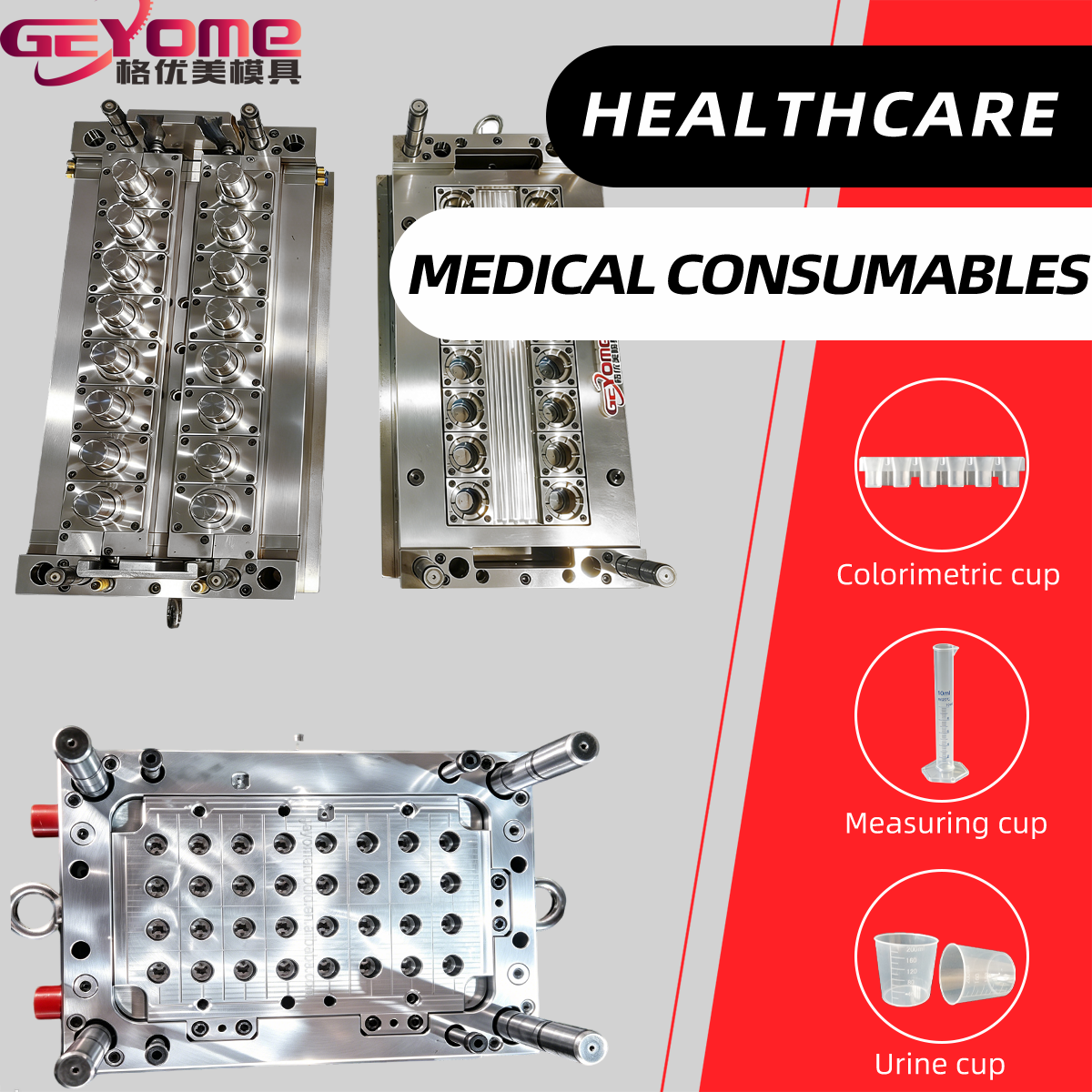
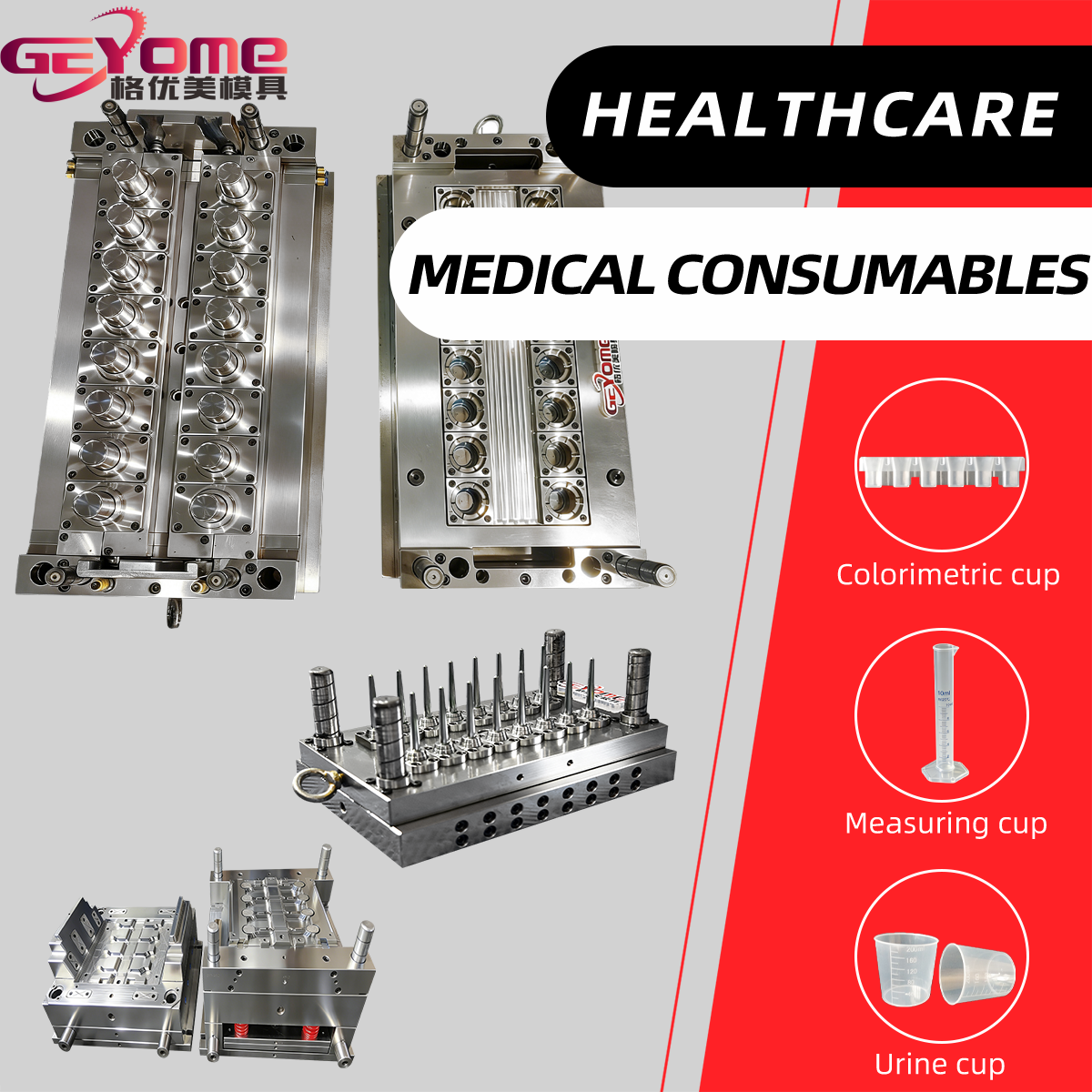
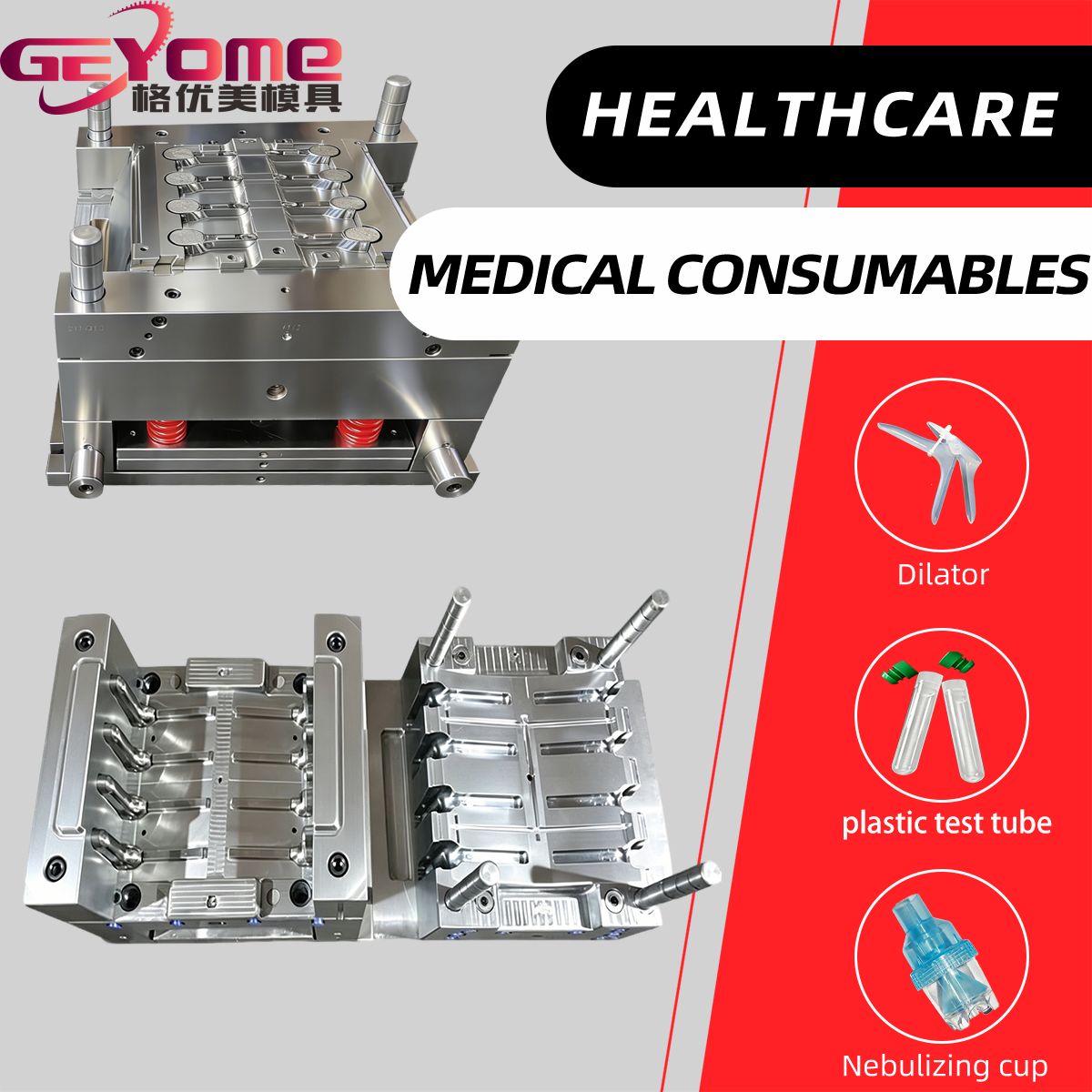
Injection molding serves diverse industrial applications across automotive, consumer electronics, medical devices, household products, and packaging sectors. The versatility of injection molding makes it ideal for producing everything from small intricate components to larger structural parts. Manufacturers choose injection molding for its ability to create complex geometries with tight tolerances, uniform wall thickness, and integrated features that would prove costly or impossible using alternative manufacturing methods. This proven manufacturing solution delivers exceptional repeatability, enabling companies to produce thousands of identical parts with minimal variation throughout production runs.

 EN
EN