insert injection molding
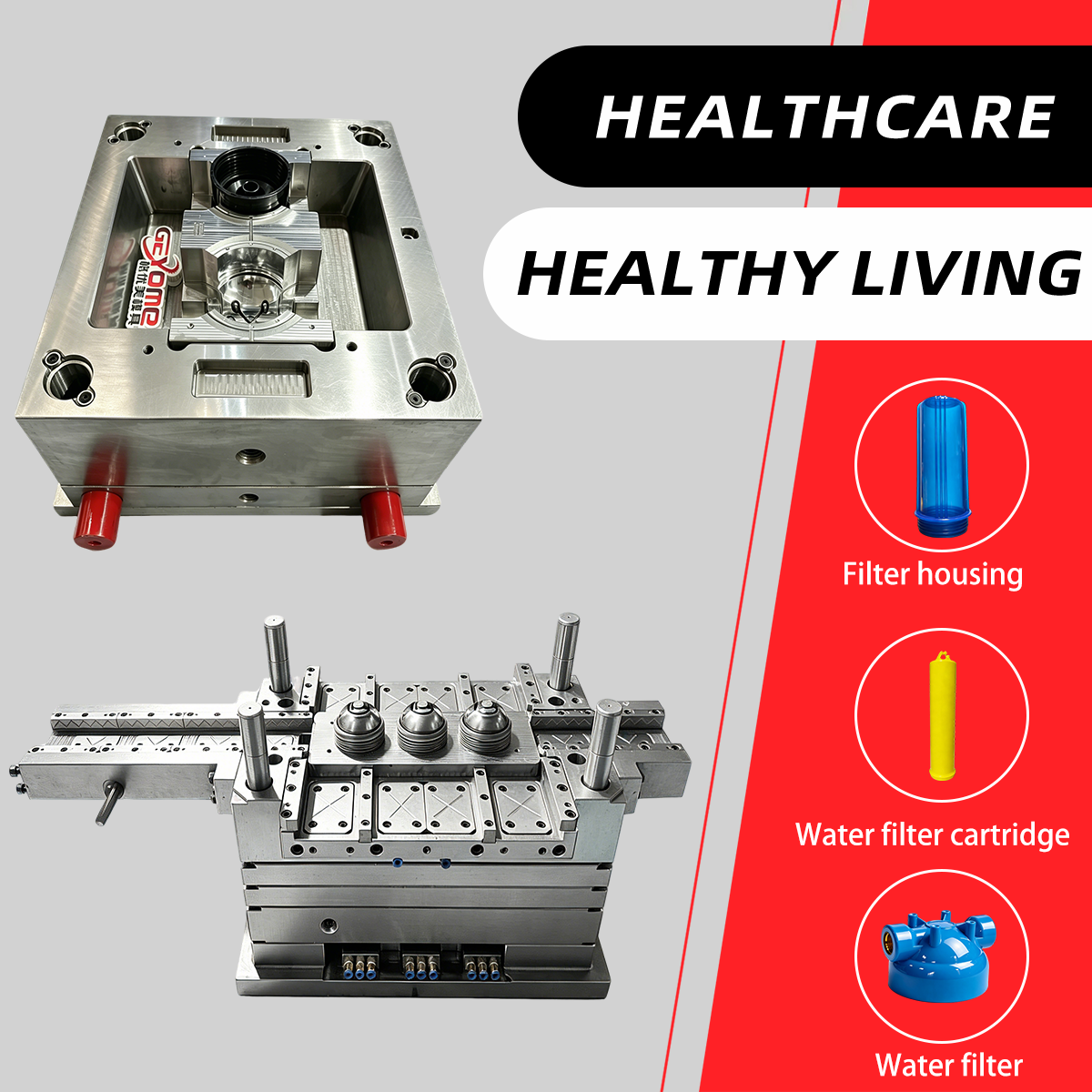
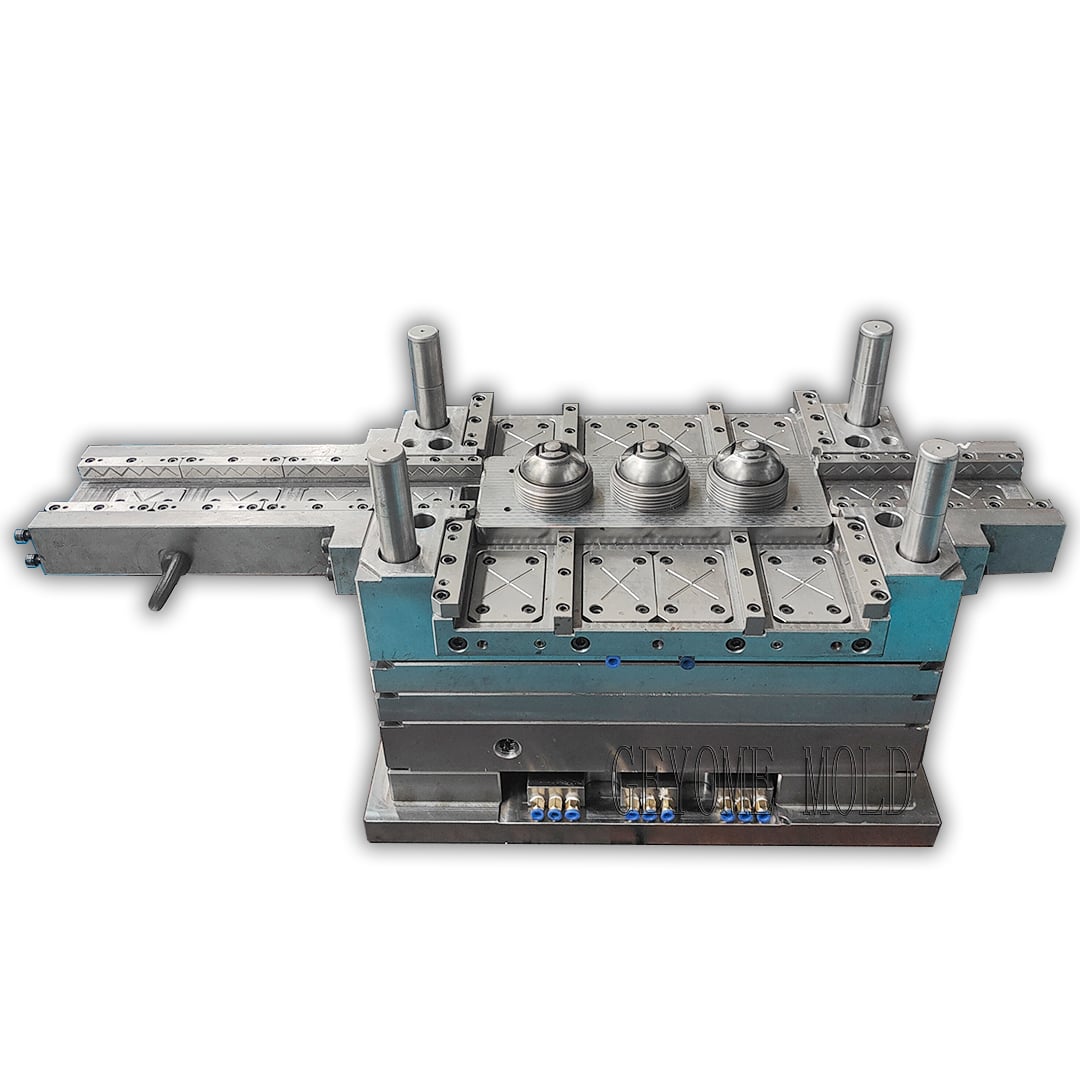
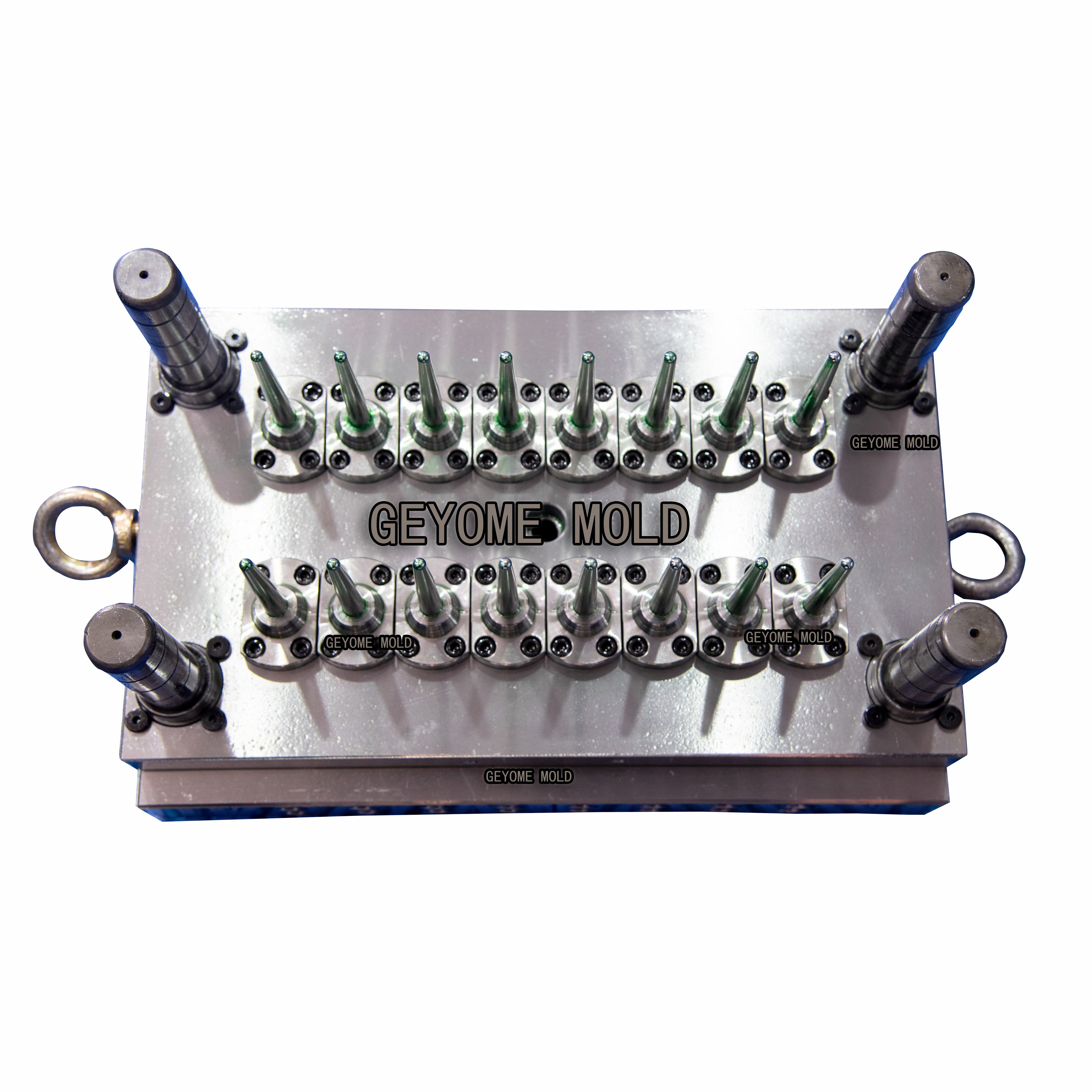
Insert injection molding is an advanced manufacturing process that combines traditional injection molding with the strategic placement of pre-formed components into molds. This technique involves inserting metal, ceramic, or plastic parts into the mold cavity before injecting molten material, creating a unified composite product in a single operation. Insert injection molding offers manufacturers a sophisticated solution for producing complex assemblies without requiring secondary assembly steps.
The main functions of insert injection molding include creating integrated components that bond insert materials with injected polymers, reducing production time, and eliminating manual assembly requirements. The technological features of insert injection molding encompass precise positioning systems, specialized mold designs, and controlled injection parameters that ensure proper adhesion between the insert and molten material. These features enable manufacturers to achieve tight tolerances and consistent quality across high-volume production runs.
Applications for insert injection molding span diverse industries including automotive, electronics, medical devices, and consumer products. The process proves particularly valuable when manufacturing items requiring metal threads, electrical contacts, or structural reinforcements. Insert injection molding allows companies to produce parts that would otherwise require expensive multi-step assembly processes, making it economically attractive for both low and high-volume production environments. This innovative approach continues gaining popularity as manufacturers seek cost-effective ways to create sophisticated, multi-material components efficiently.

 EN
EN