mold design
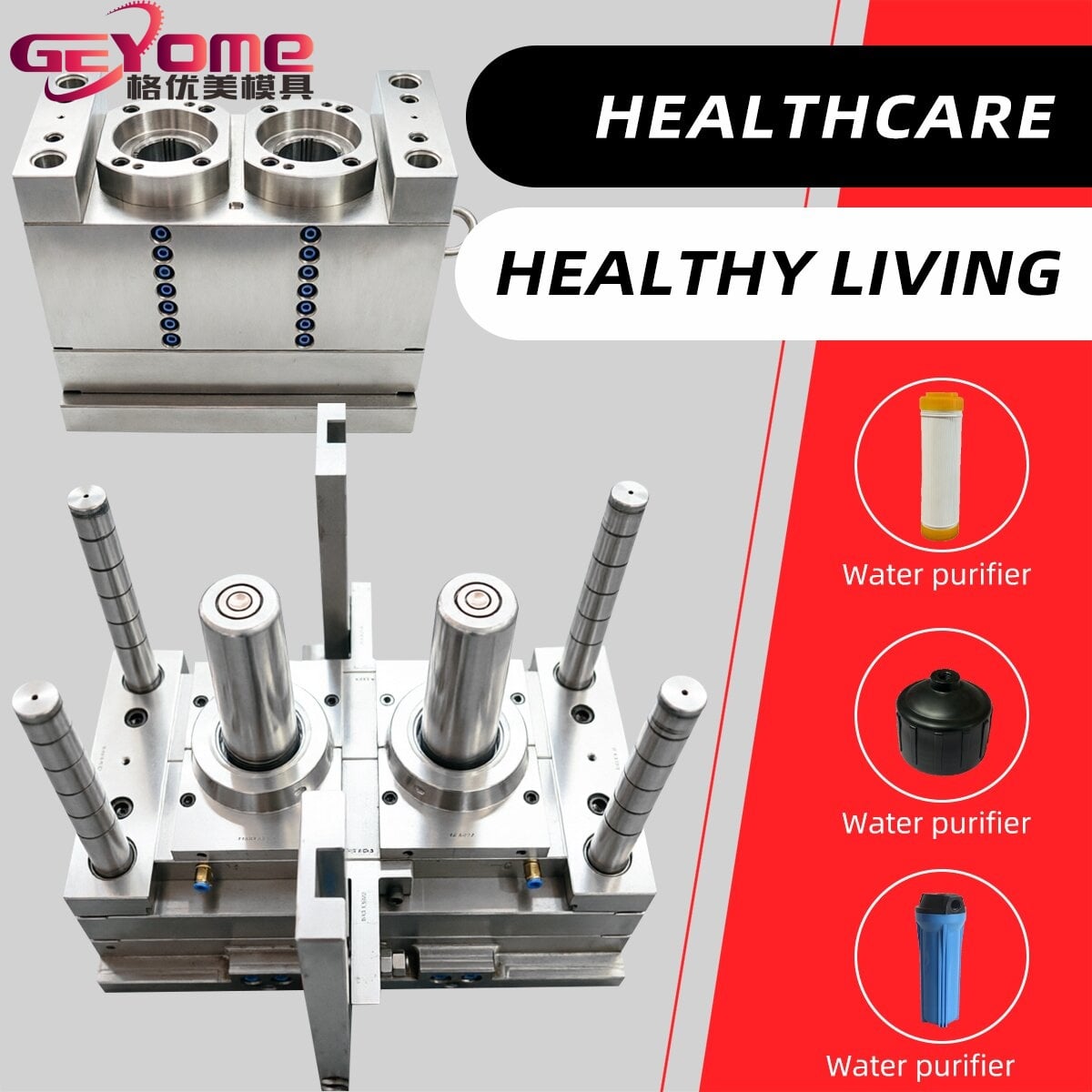
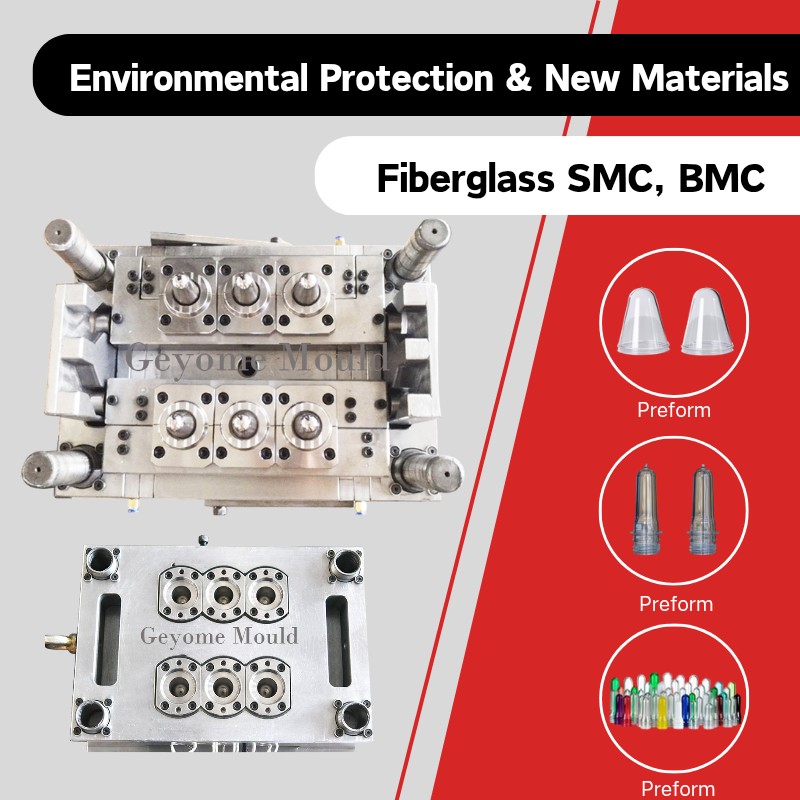
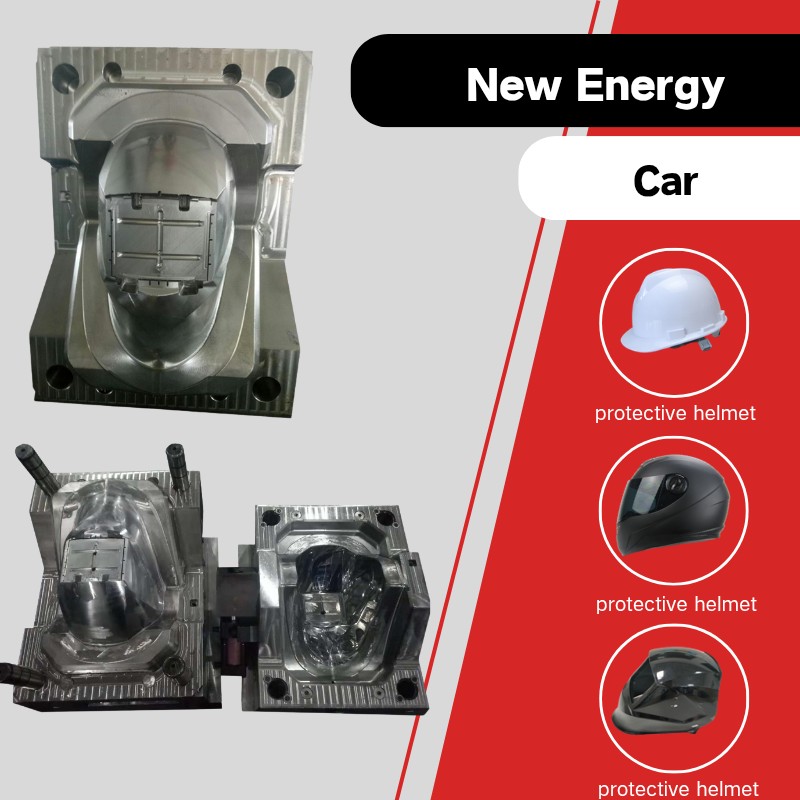
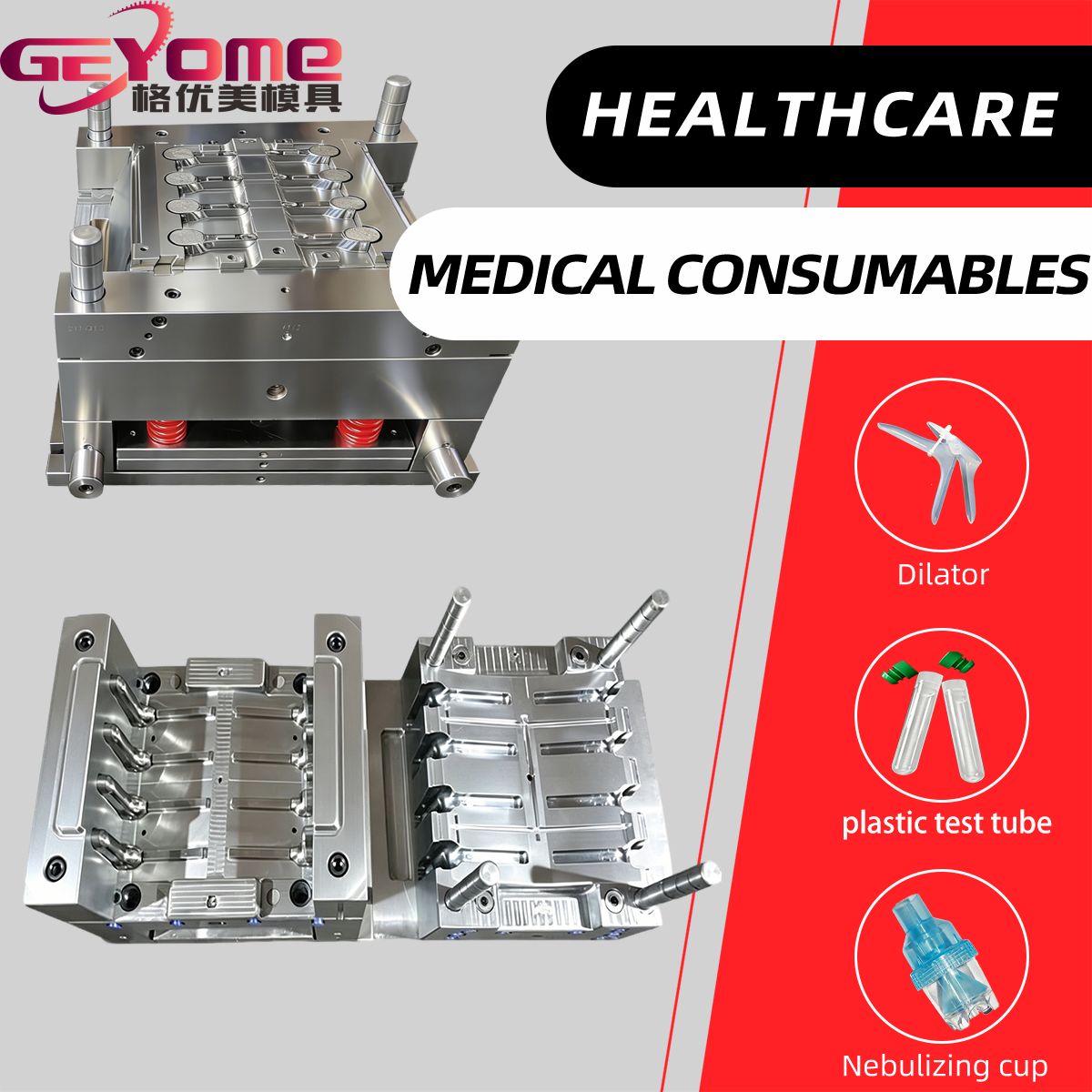
Mold design represents a critical process in manufacturing that determines the quality, efficiency, and functionality of produced components. The mold design serves as the blueprint for creating parts across industries including automotive, consumer goods, electronics, and industrial equipment. An effective mold design encompasses precise specifications that enable manufacturers to produce consistent, high-quality products at scale.
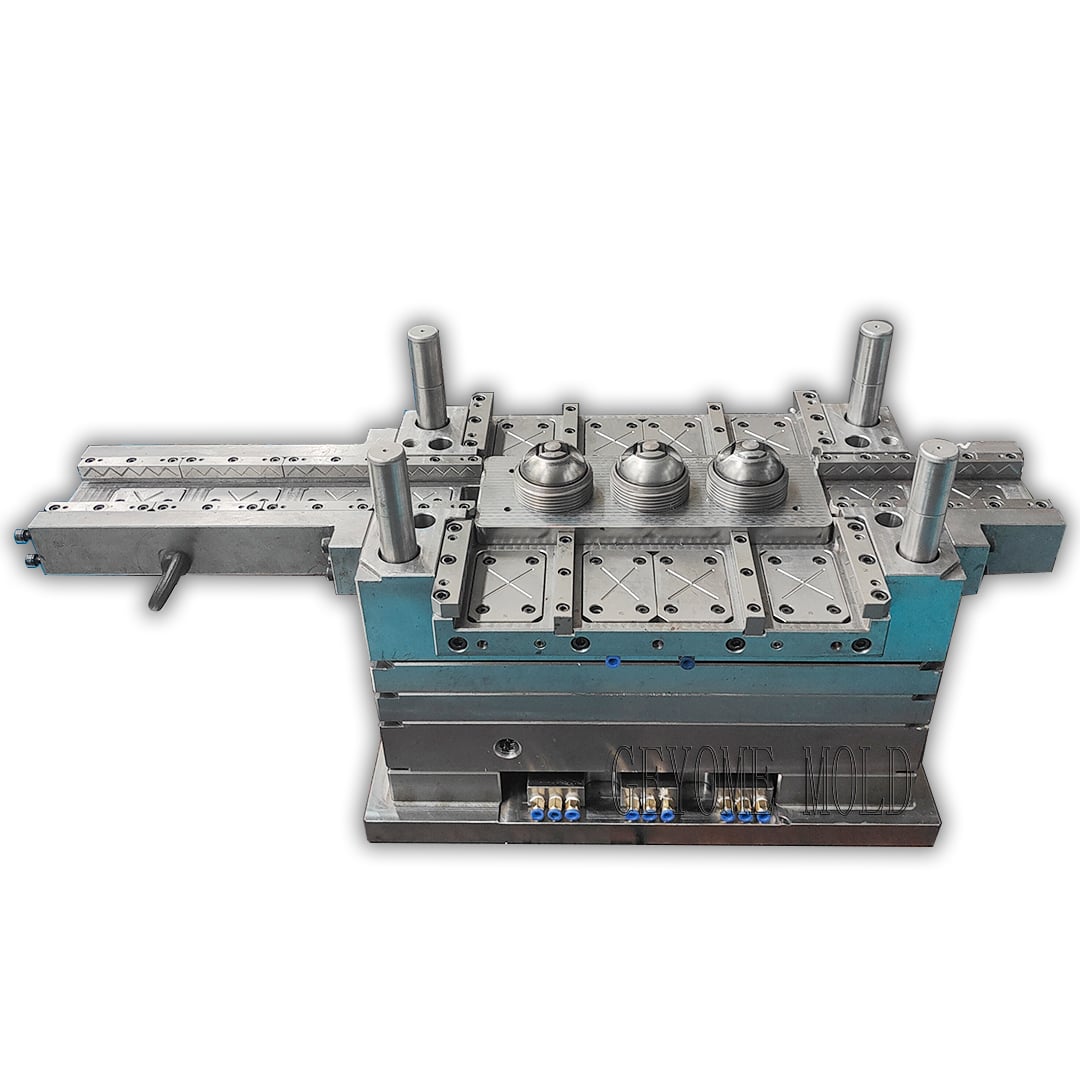
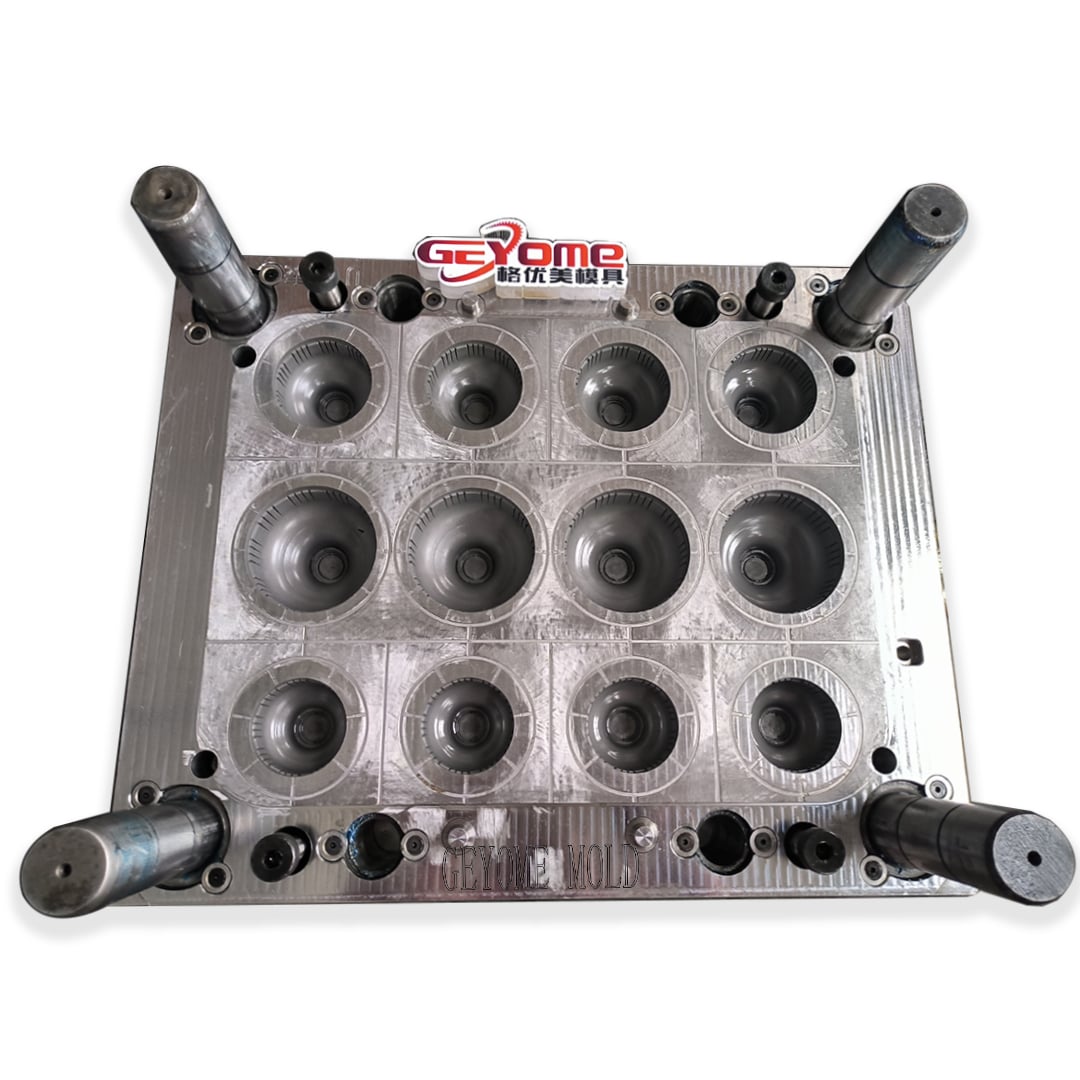
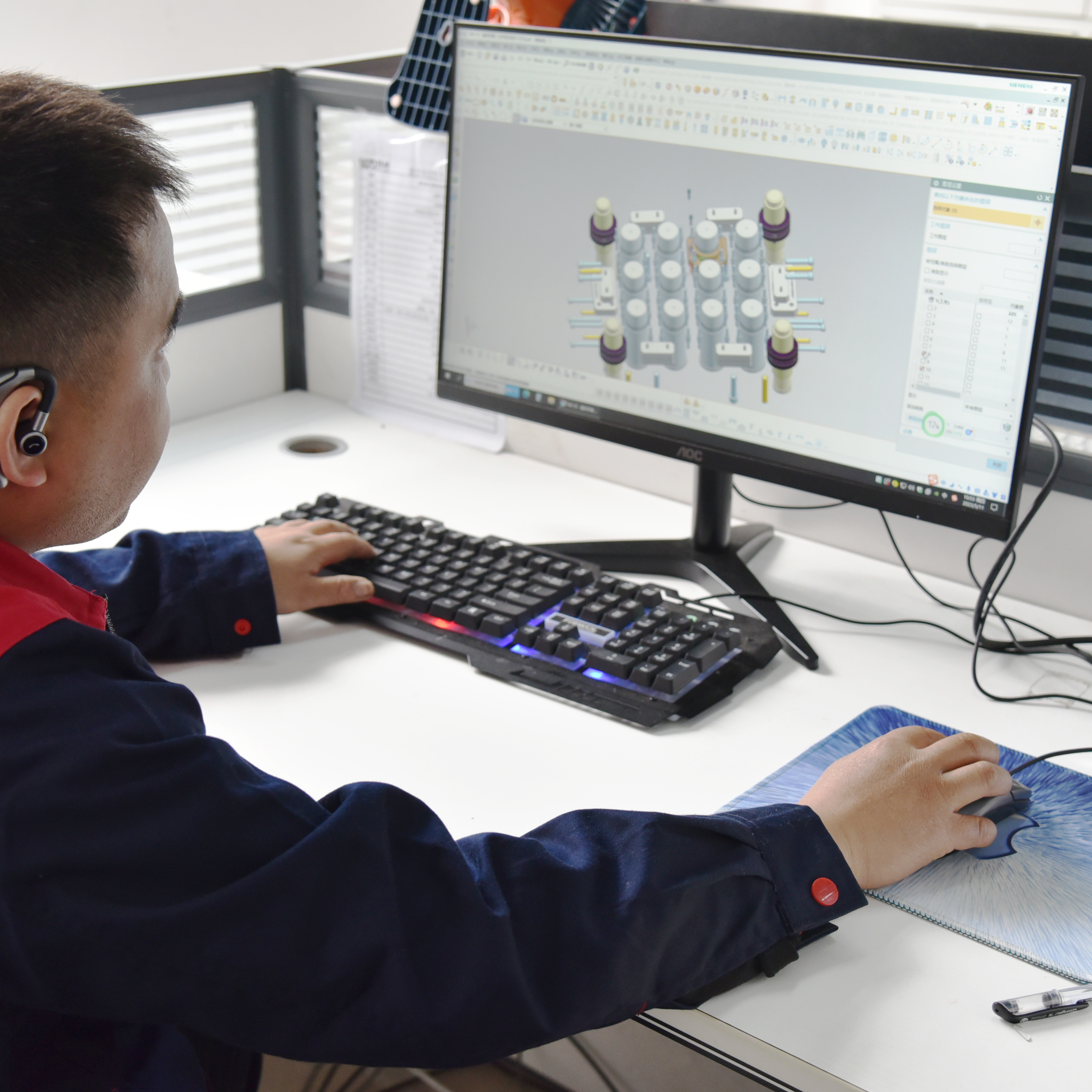
The main functions of mold design include establishing dimensional accuracy, determining material flow characteristics, and facilitating efficient production cycles. Mold design incorporates advanced technological features such as cooling systems, ejection mechanisms, and precision tooling that work together seamlessly. Modern mold design utilizes computer-aided design software, three-dimensional modeling, and simulation tools to optimize every aspect of the manufacturing process.
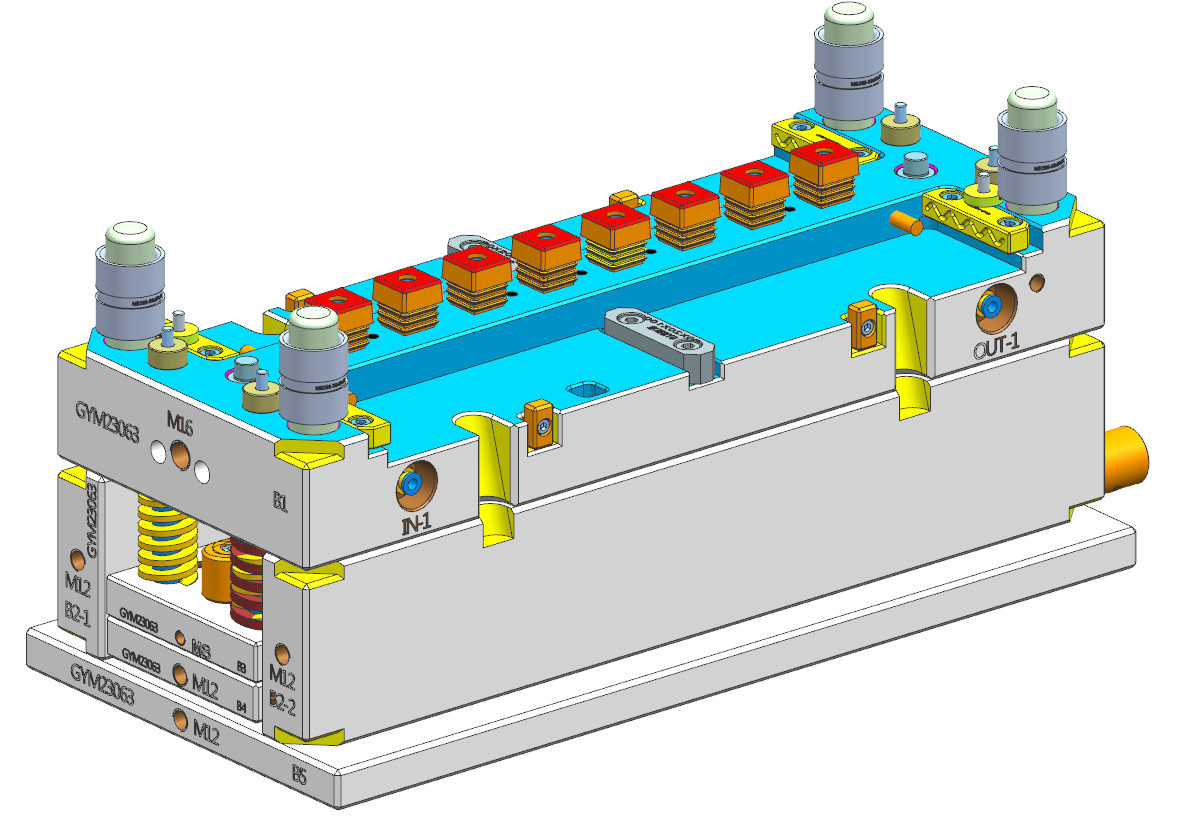
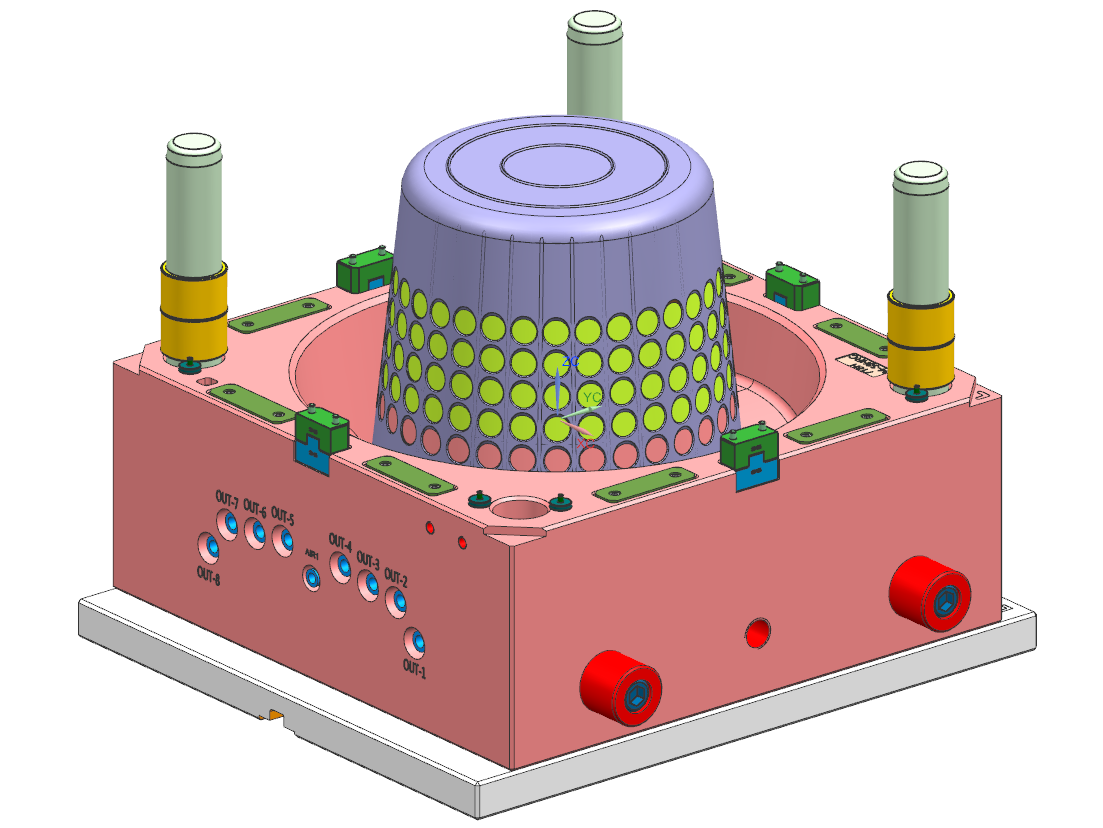
Key technological features in contemporary mold design include thermal management systems that regulate temperature distribution, venting systems that eliminate air pockets, and gate designs that control material entry. These elements ensure superior surface finishes and structural integrity. Mold design applications span injection molding, compression molding, blow molding, and die casting operations.
The strategic approach to mold design directly impacts production timelines, material waste reduction, and overall cost effectiveness. Manufacturers investing in quality mold design experience improved product consistency, faster time-to-market, and reduced defect rates. Whether producing intricate medical devices or large-scale automotive components, comprehensive mold design planning is essential for achieving competitive advantage in today's manufacturing landscape.

 EN
EN