mold making
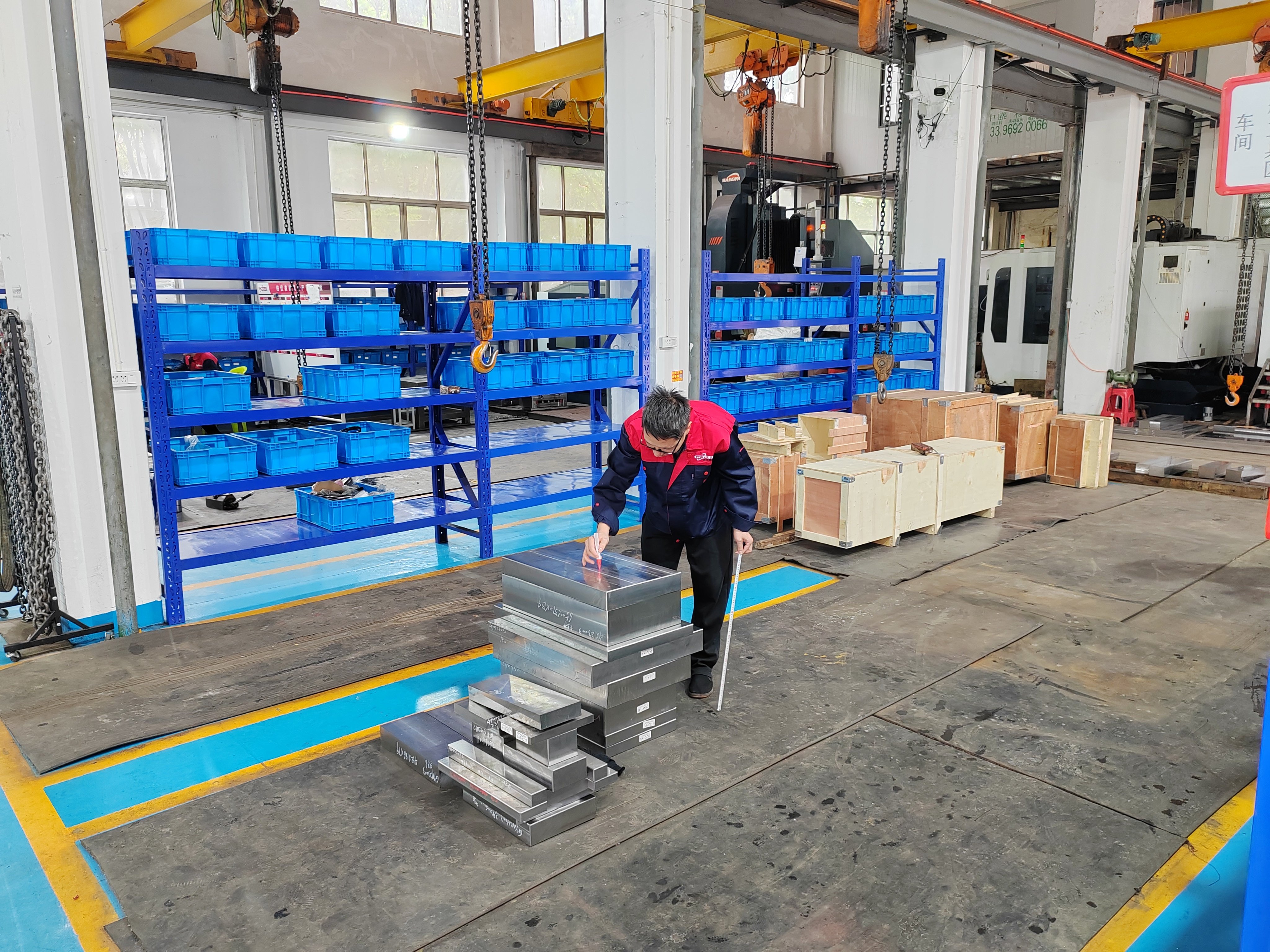
Mold making represents a fundamental manufacturing process that transforms design concepts into physical products through precision tooling. This essential technique involves creating custom molds that shape raw materials into specific forms, serving as the foundation for mass production across numerous industries.
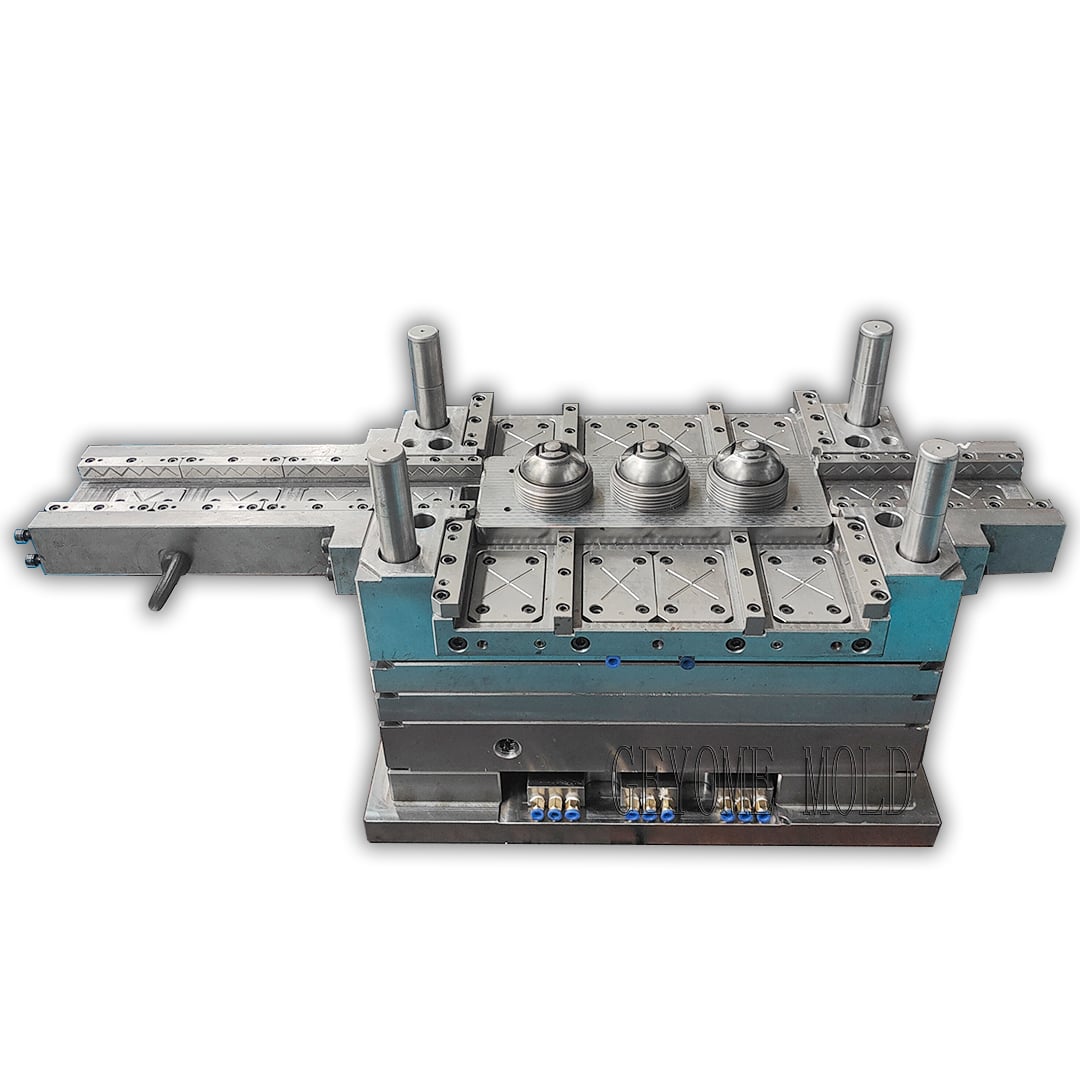
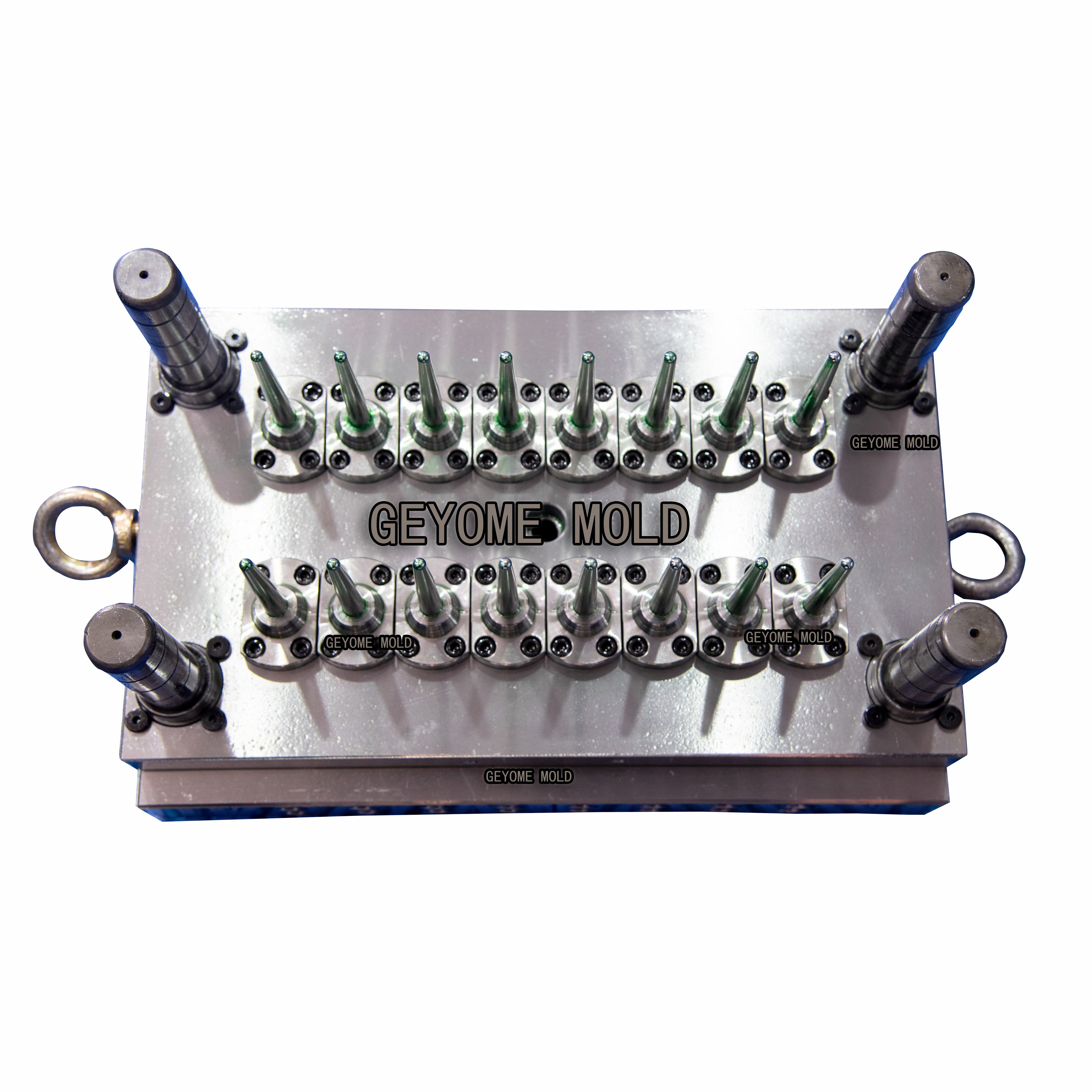
The primary function of mold making is to produce accurate, durable molds that replicate product designs repeatedly and consistently. Professional mold making combines advanced engineering principles with skilled craftsmanship to deliver tools capable of withstanding thousands of production cycles. Modern mold making incorporates computer-aided design technology, allowing manufacturers to create highly complex geometries with exceptional precision.
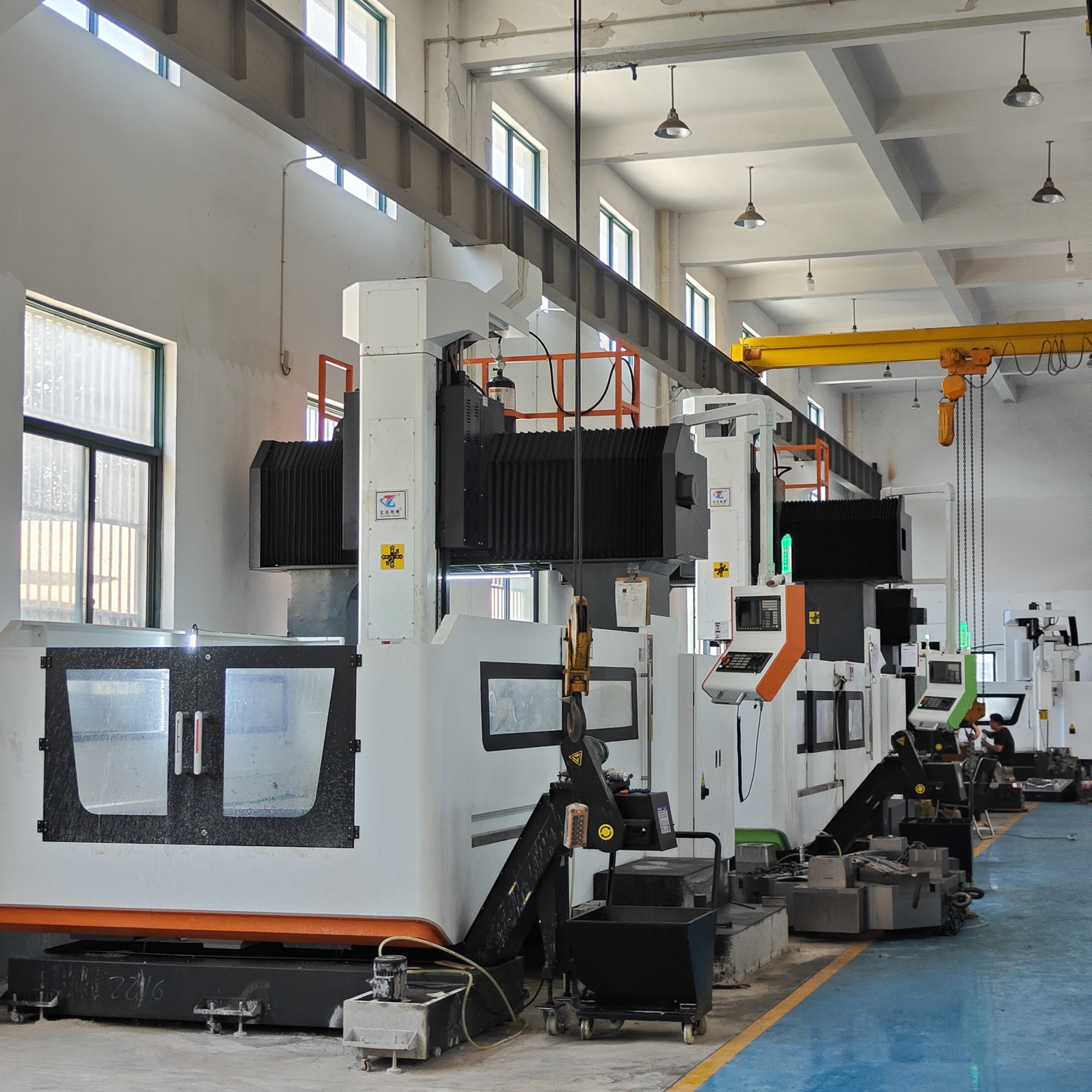
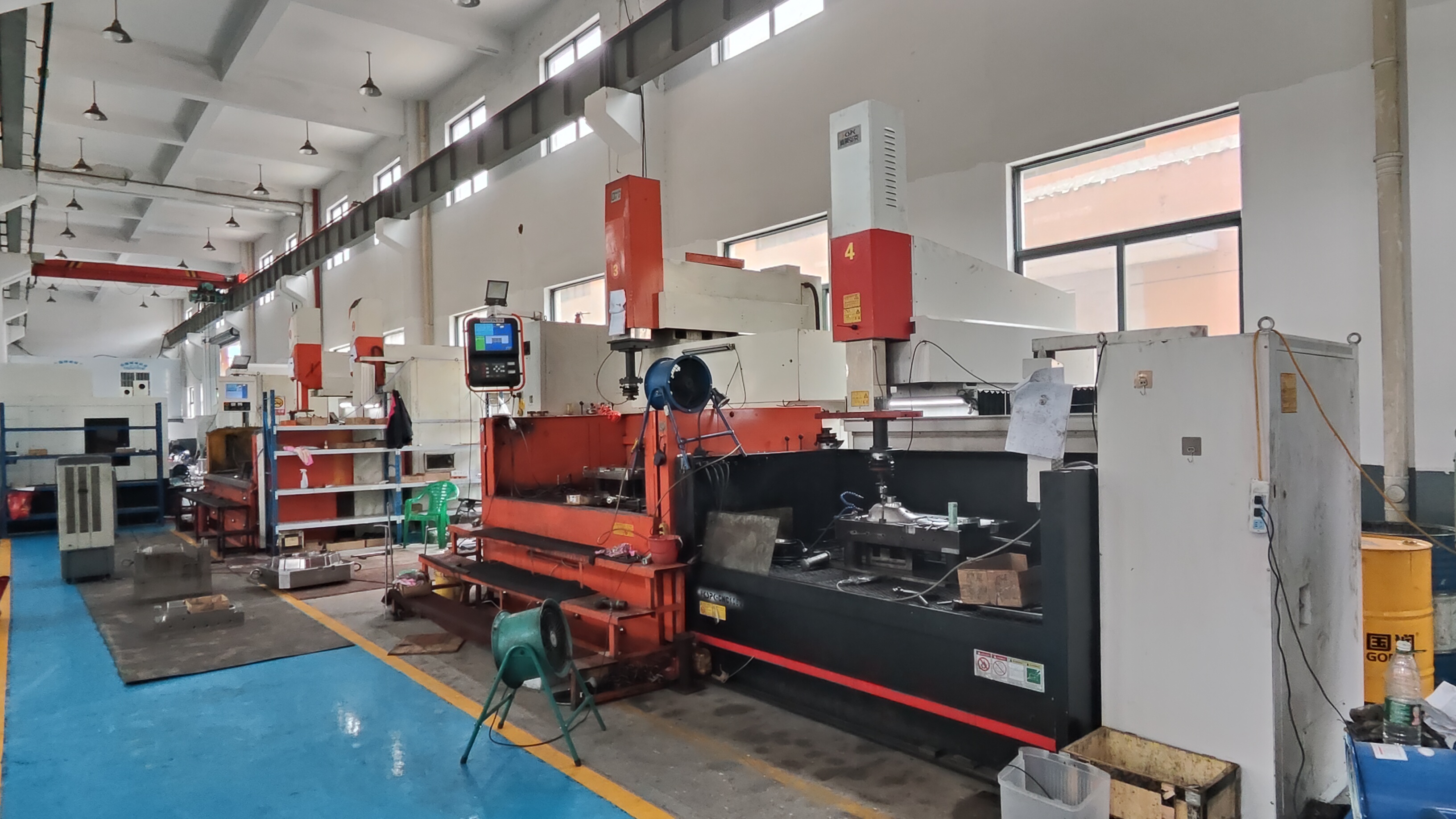
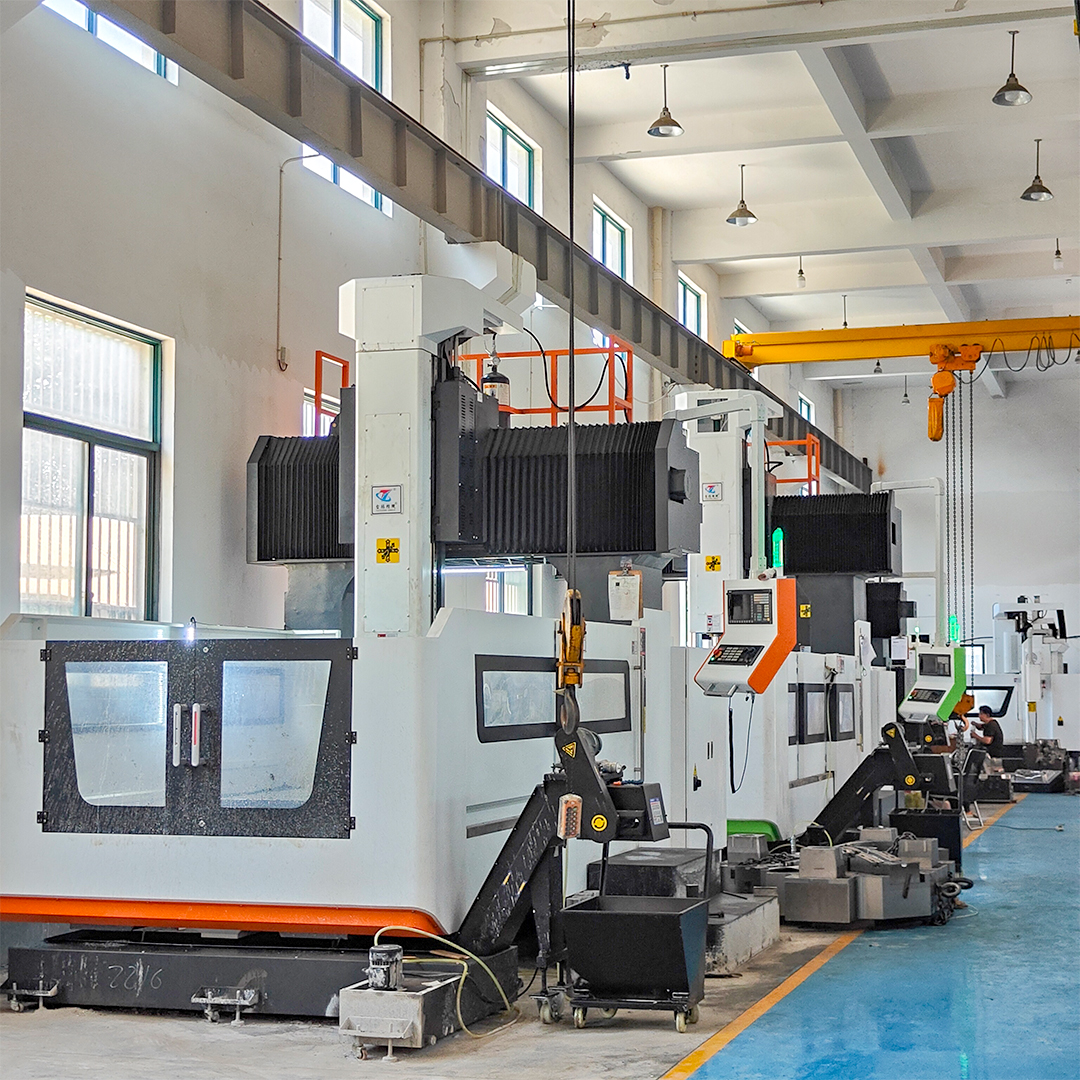
Technological features of contemporary mold making include computer numerical control machining, 3D modeling capabilities, and advanced material selection. These innovations enable faster production timelines and enhanced accuracy compared to traditional methods. The process typically involves analyzing product specifications, designing appropriate mold structures, and manufacturing components using state-of-the-art equipment.
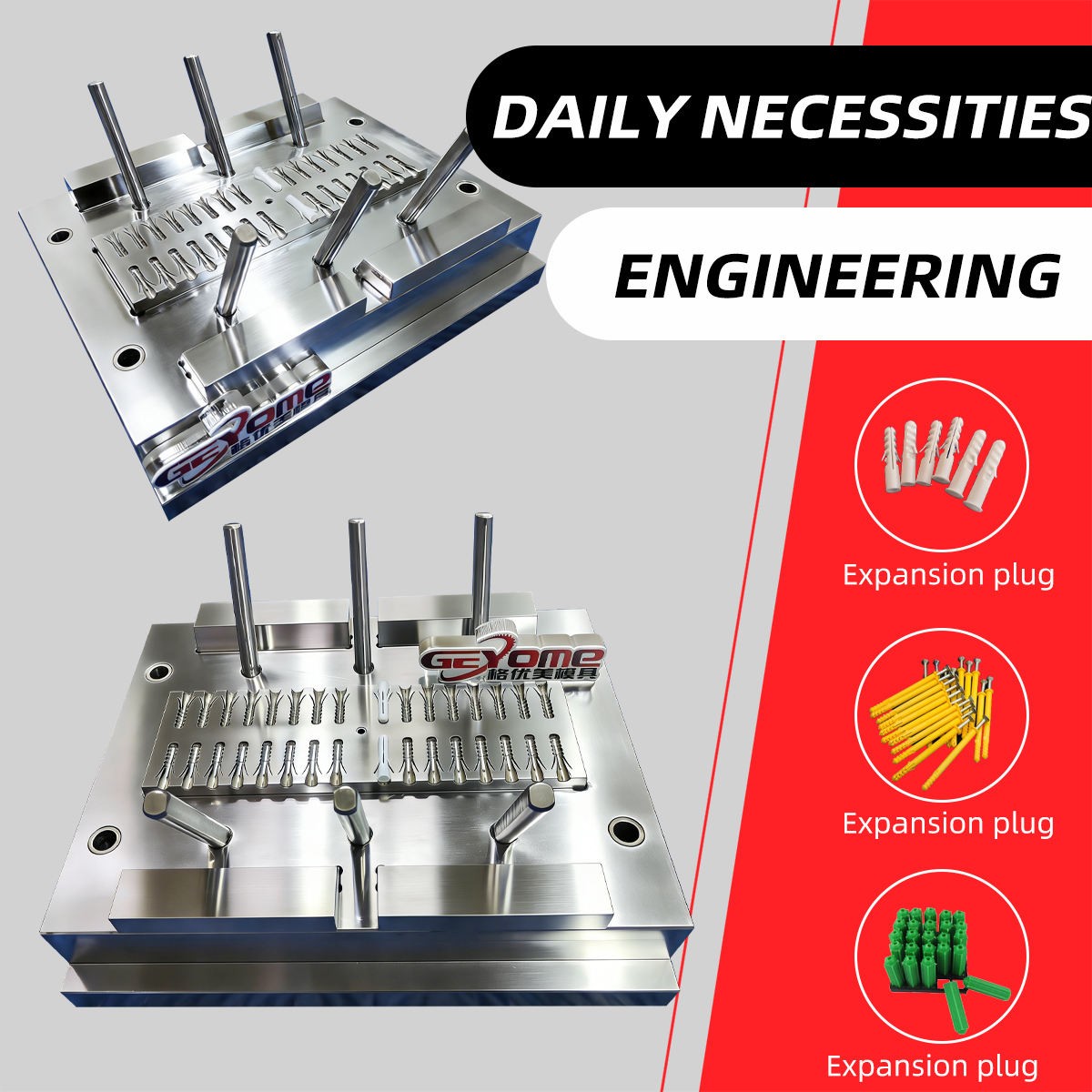
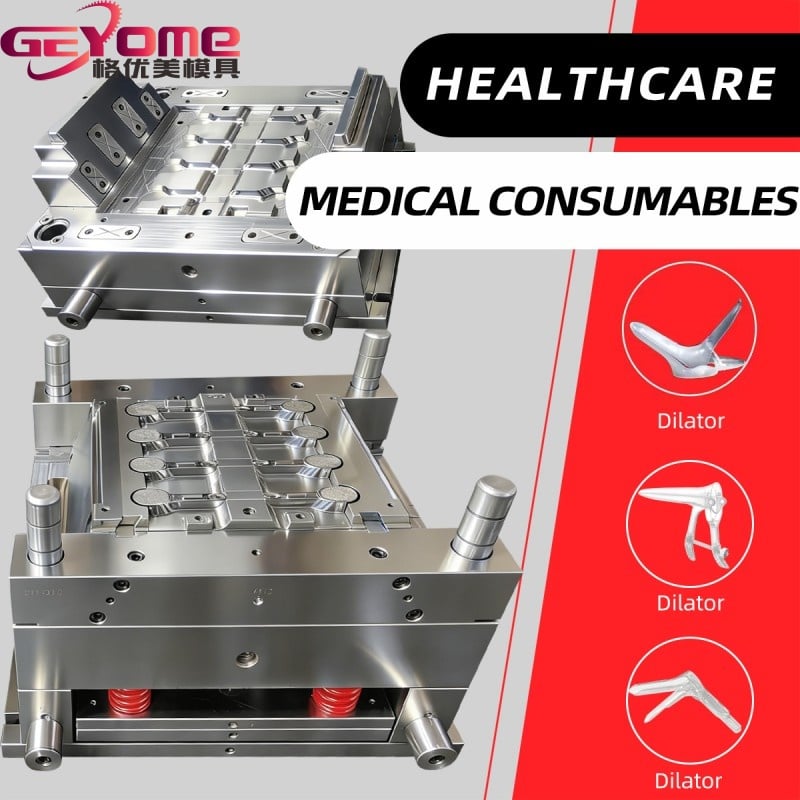
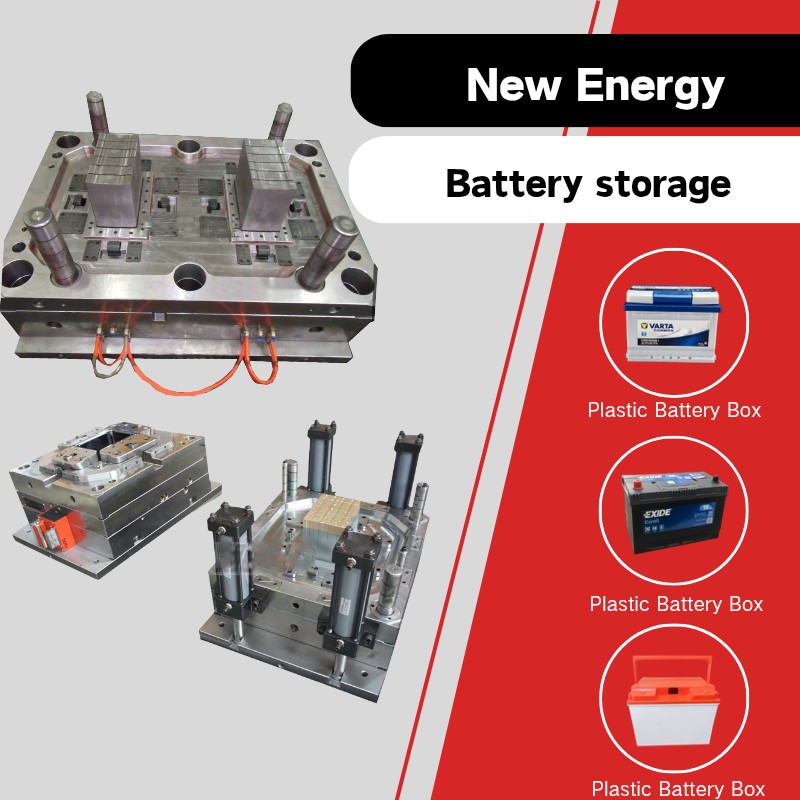
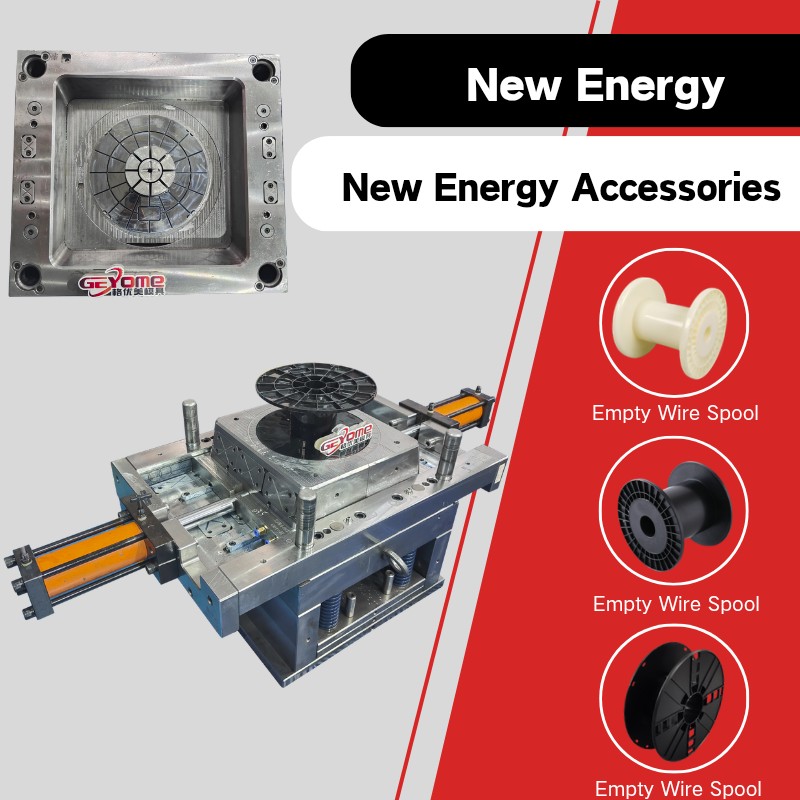
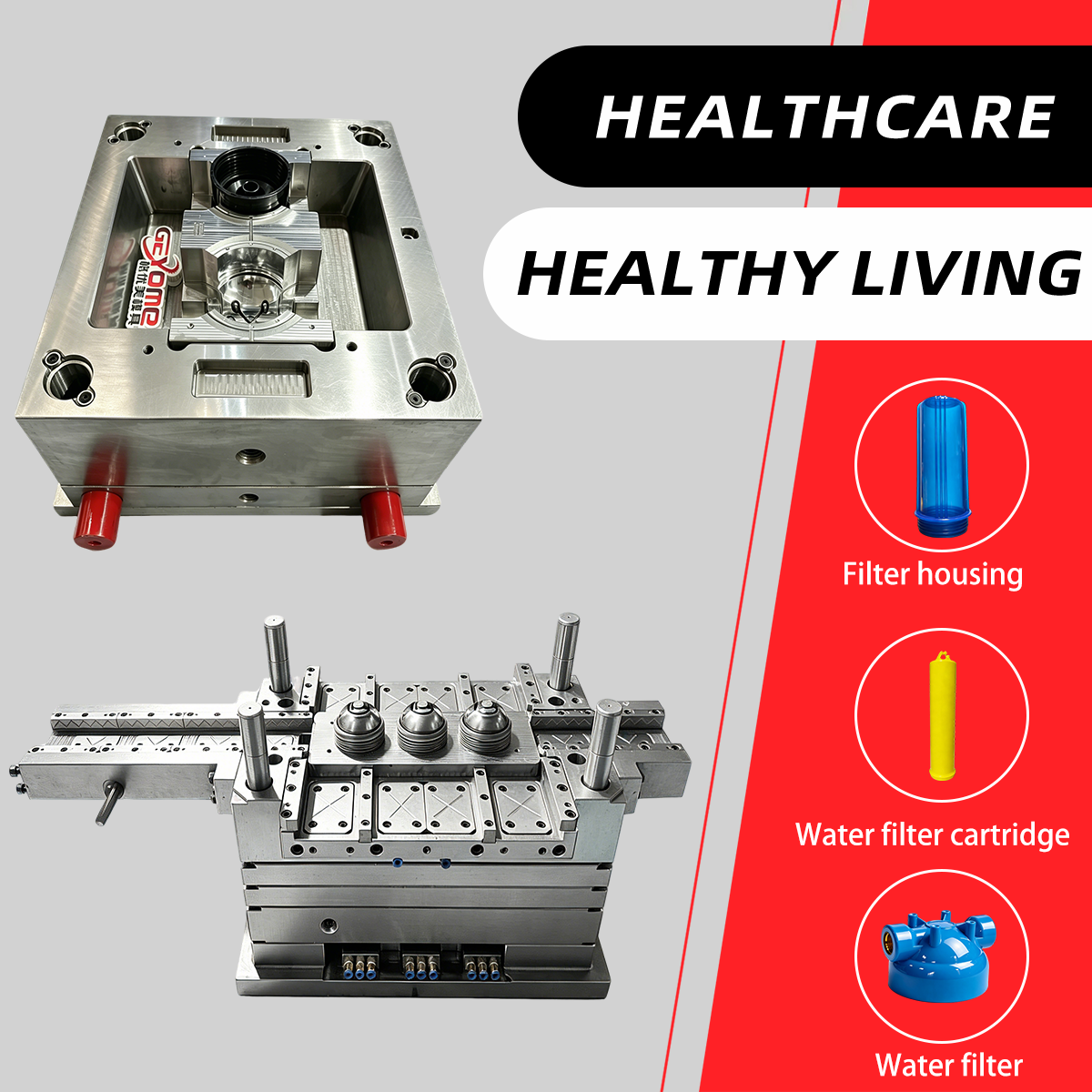
Applications for mold making span diverse sectors including automotive, consumer goods, electronics, and medical device manufacturing. Injection molding, thermoforming, and compression molding all rely on quality mold making services. Whether producing small plastic components or large industrial parts, effective mold making ensures consistent quality and cost-efficiency in manufacturing operations.
Companies investing in professional mold making gain competitive advantages through reduced production costs, improved product quality, and faster market entry. Custom mold making allows manufacturers to differentiate their products while maintaining stringent quality standards throughout production runs.

 EN
EN