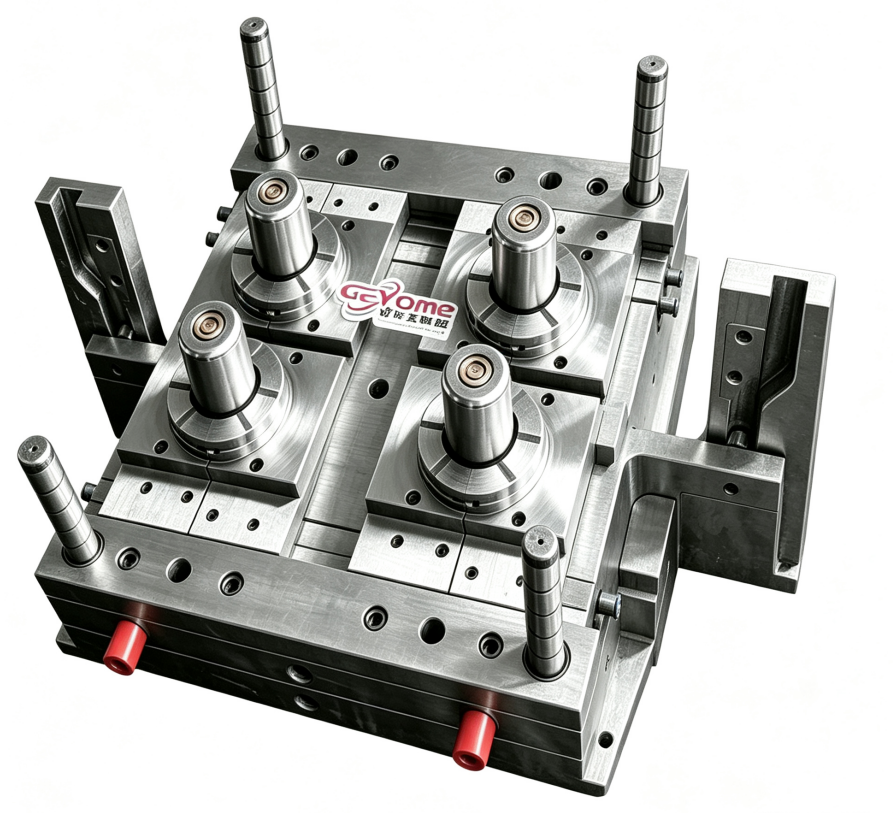
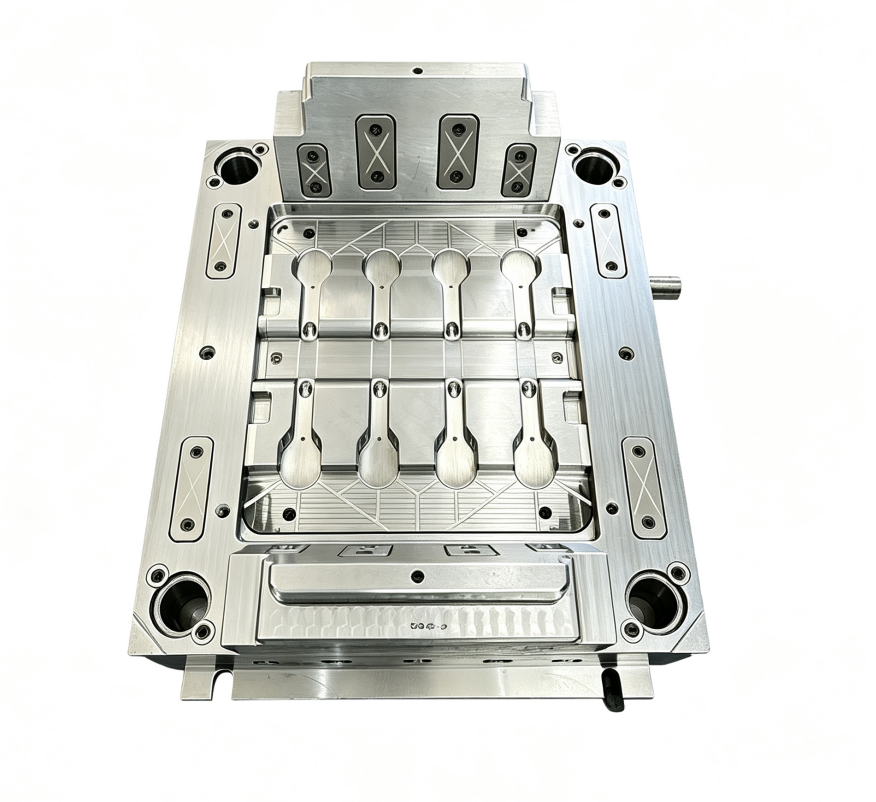
plastic mold design
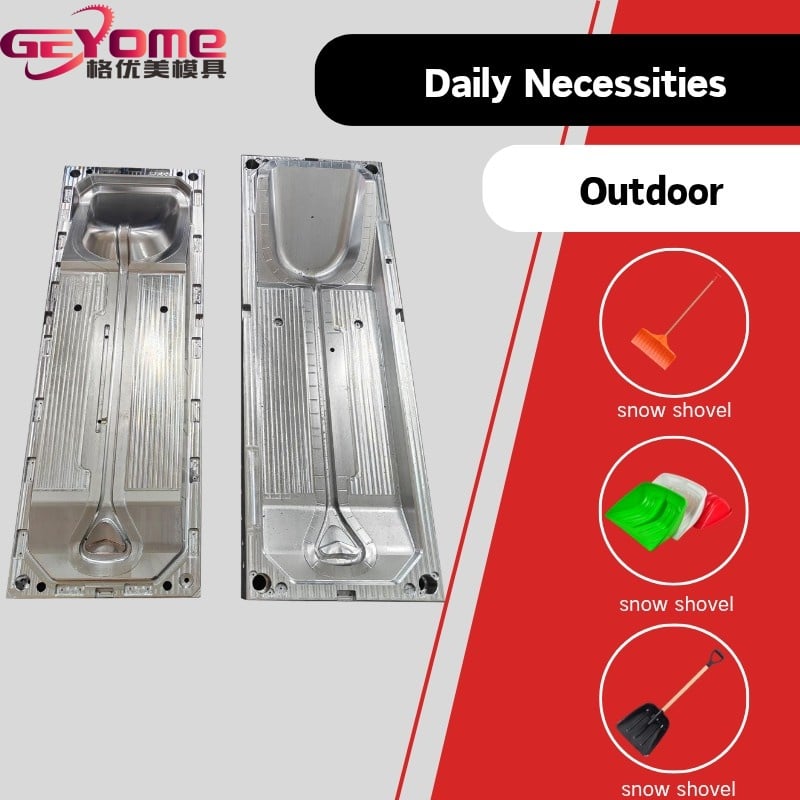
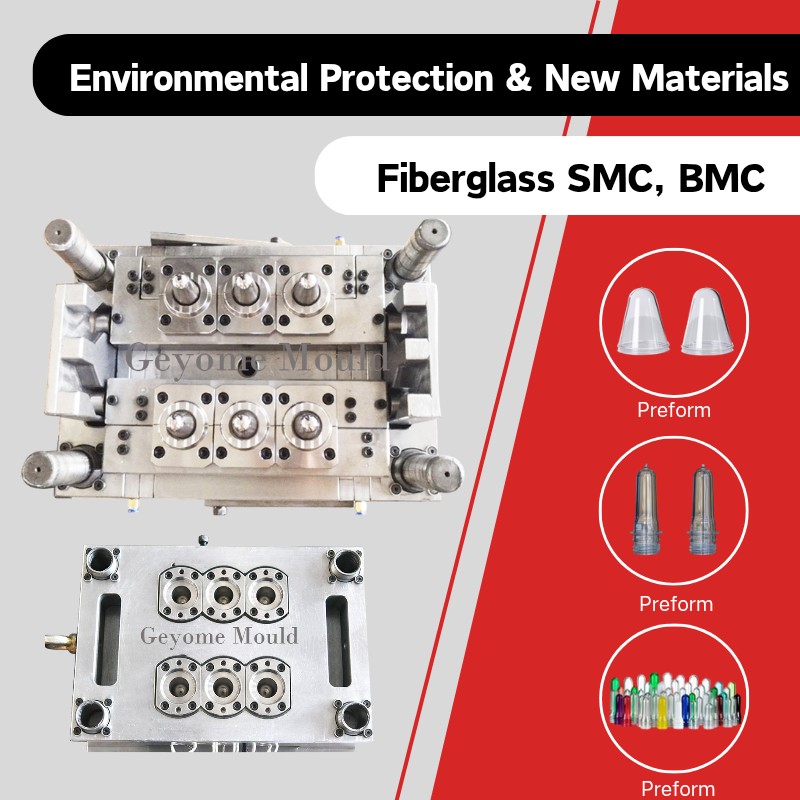
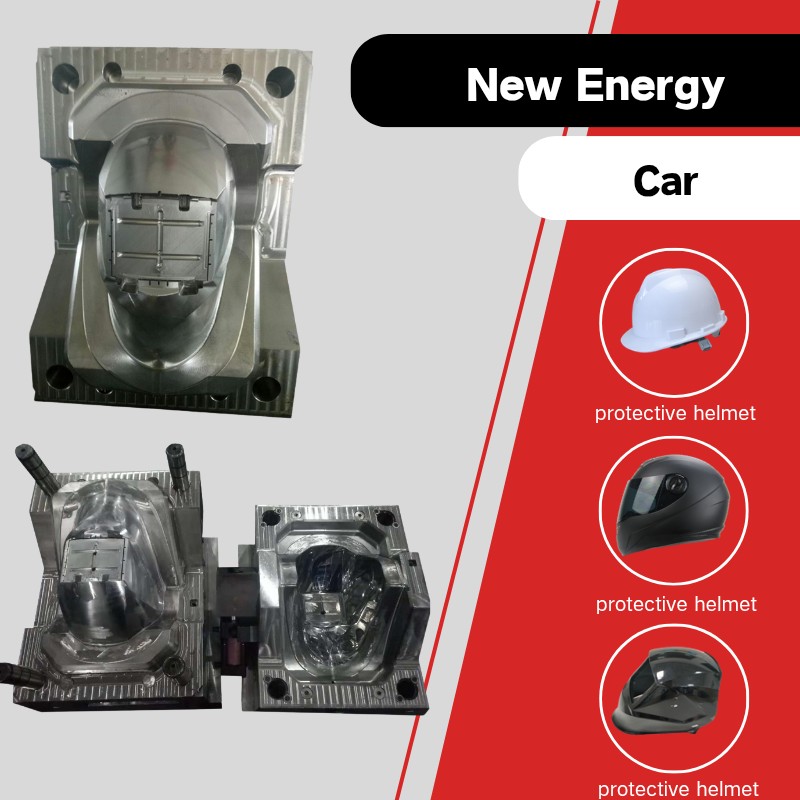
Plastic mold design represents a critical process in modern manufacturing, enabling the creation of precise, high-quality plastic components across numerous industries. A well-executed plastic mold design serves as the foundation for producing consistent products that meet exact specifications and customer expectations.
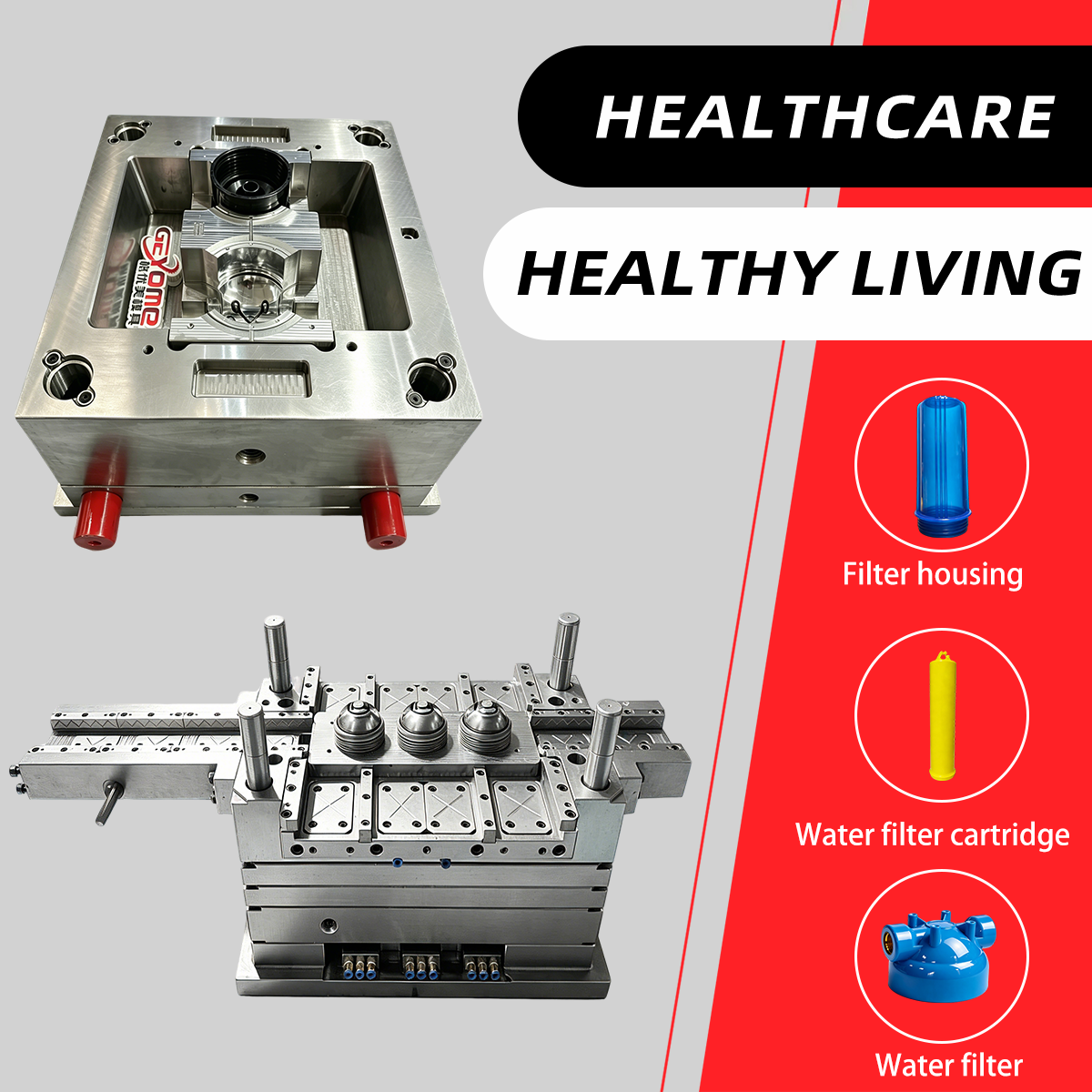
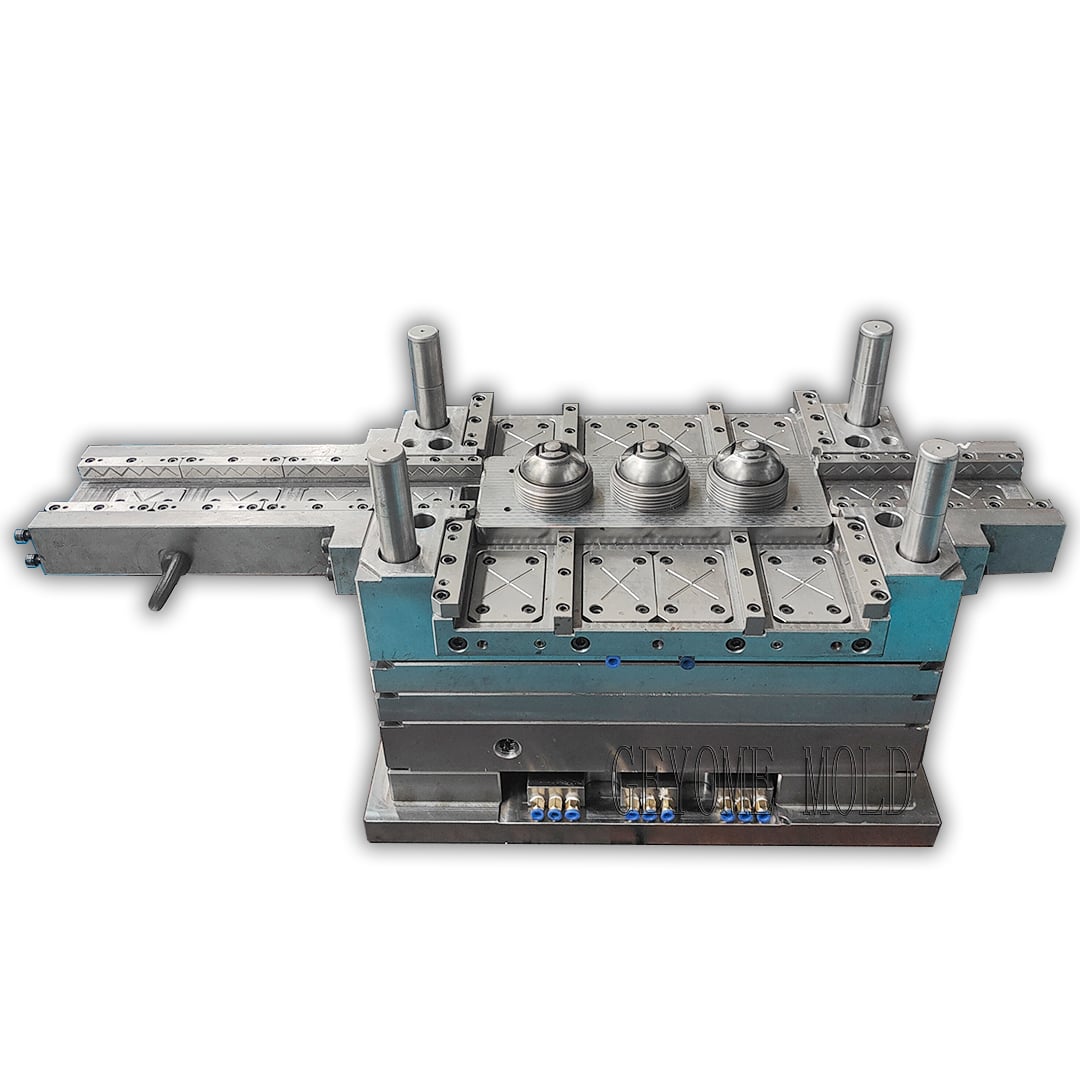
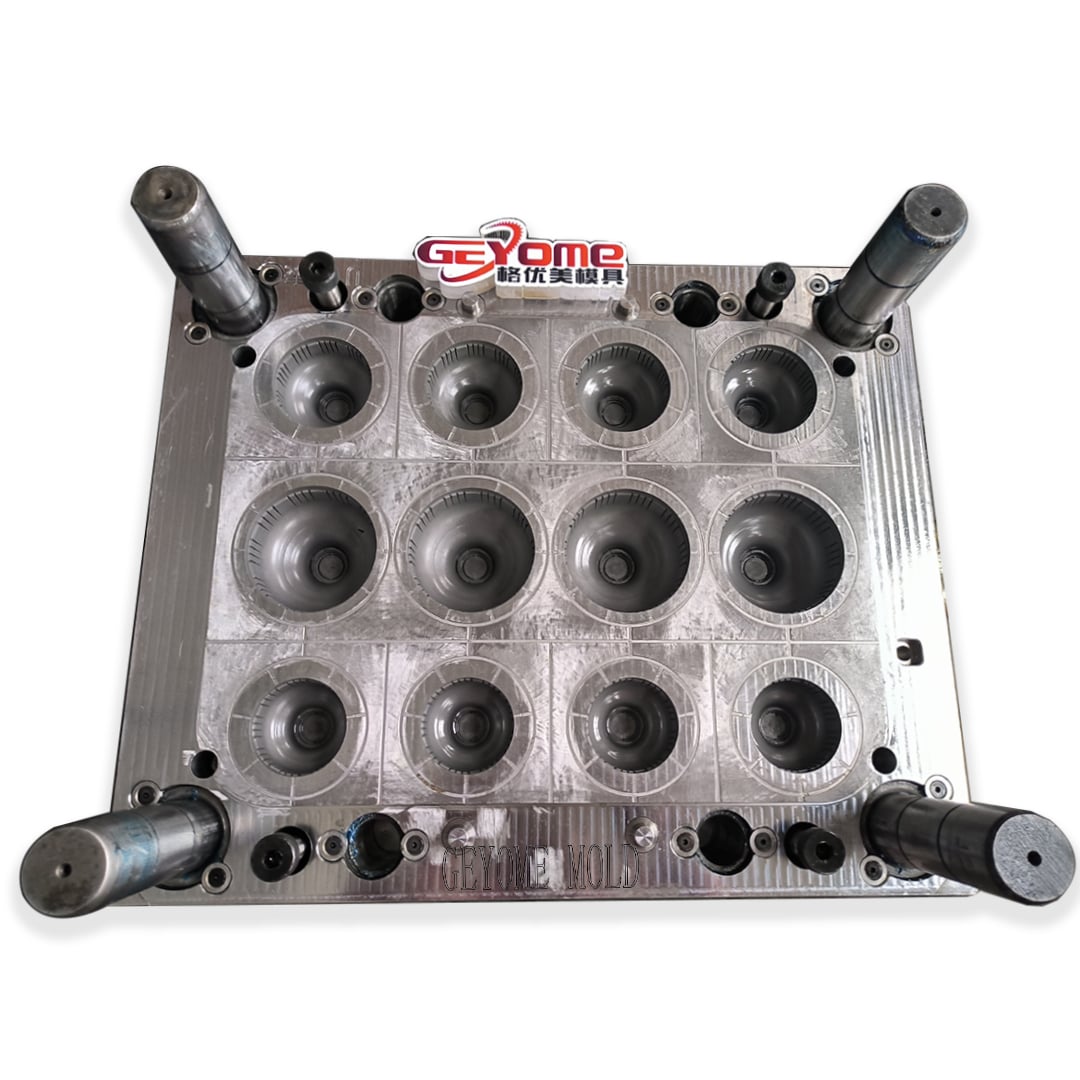
The primary function of plastic mold design is to establish detailed blueprints and structural specifications that guide the injection molding process. This specialized design approach determines how molten plastic flows into the mold cavity, ensuring uniform density and eliminating defects like air pockets or warping. Effective plastic mold design incorporates sophisticated cooling channels, precise gate placements, and strategic draft angles that optimize production efficiency.
Technologically, modern plastic mold design integrates computer-aided design software, 3D modeling, and simulation tools that predict material behavior before actual manufacturing begins. These advanced capabilities enable designers to identify potential issues early, reducing costly revisions and production delays. Plastic mold design also considers material selection, wall thickness optimization, and texture specifications to achieve desired product characteristics.
Applications span diverse sectors including automotive components, consumer electronics, medical devices, household appliances, and packaging solutions. Industries requiring high-volume production particularly benefit from investment in superior plastic mold design, as it directly impacts product quality, manufacturing speed, and long-term profitability. Whether producing small intricate parts or large structural components, plastic mold design remains essential for competitive manufacturing success in today's demanding market.

 EN
EN