
 EN
EN



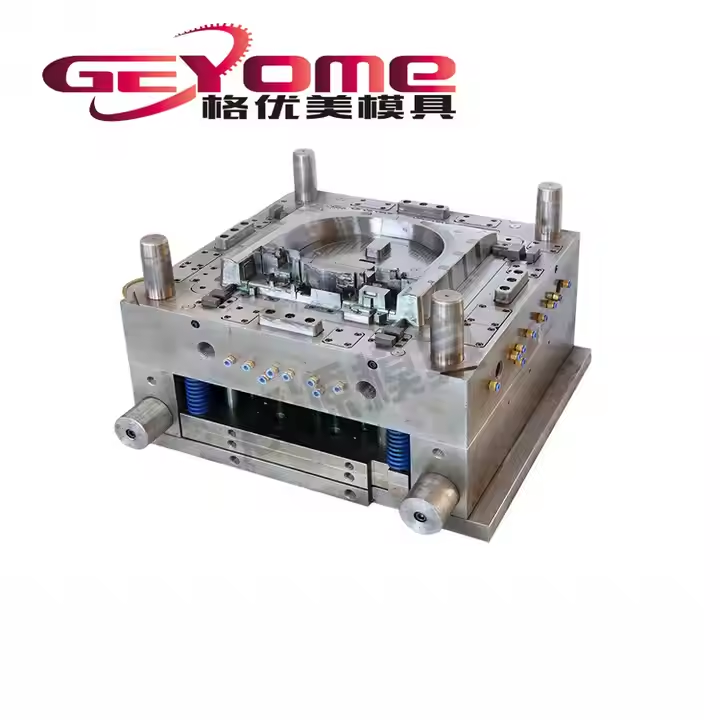
Importing molds from China has become a cornerstone strategy for manufacturers seeking cost-effective production solutions and rapid prototyping capabilities. The China mold import process, however, involves navigating complex tariff structures, international logistics networks, and regulatory compliance frameworks that can significantly impact your total landed cost and project timeline. Understanding these key elements before initiating your China mold import sourcing will help you avoid costly delays, unexpected expenses, and quality inconsistencies that plague unprepared buyers in the manufacturing sector.
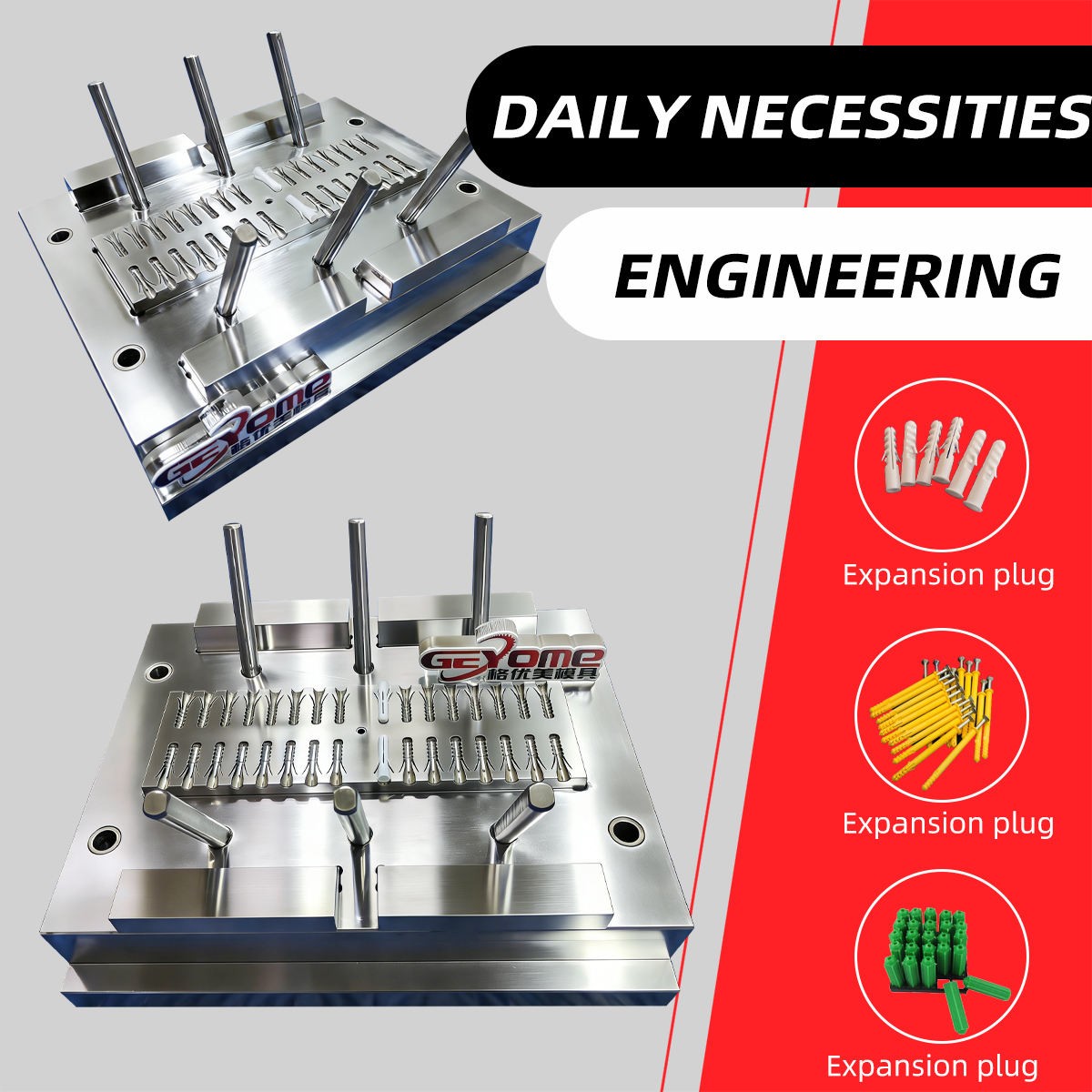
Whether you are a first-time importer or an experienced procurement manager, the landscape of China mold import regulations, shipping methods, and supplier selection continues to evolve. This comprehensive guide walks you through the essential considerations that will shape your China mold import success, from initial supplier evaluation through final delivery and quality verification.
Understanding Tariff Structures for China Mold Import Operations
Harmonized Tariff Classification and Duty Rates
The tariff classification for your China mold import shipment depends primarily on the material composition, complexity, and functional designation of the mold itself. Most injection molds, die-casting molds, and compression molds fall under Harmonized Tariff Schedule (HTS) codes 8480 or 8479, which typically carry base duty rates between 0% and 3.1% depending on your destination country and applicable trade agreements. Understanding your specific China mold import HTS code is critical because miscoding can result in unexpected duties, port delays, and potential penalties from customs authorities. Working with a customs broker experienced in China mold import operations ensures accurate classification from the outset, reducing administrative friction and protecting your landed cost projections.
Trade Agreements and Duty Reduction Opportunities
Many countries maintain preferential trade agreements that can significantly reduce or eliminate duties on China mold import shipments. For example, products imported under certain trade frameworks may qualify for reduced rates or temporary duty suspensions. Verifying whether your China mold import qualifies for these preferential treatment programs requires careful documentation and supplier coordination, but the savings can be substantial. During your China mold import planning phase, consult with your customs broker or trade compliance specialist to identify all available duty reduction mechanisms applicable to your specific product classification and origin.
Logistics Planning and Shipping Methods for China Mold Import
Ocean Freight Versus Air Freight Considerations
The China mold import logistics decision between ocean freight and air freight fundamentally shapes your total project cost and delivery timeline. Ocean freight is considerably more economical for heavy, bulky molds and offers substantial cost savings when your project timeline permits a standard 20–30 day transit window plus port clearance periods. Air freight accelerates your China mold import delivery to 5–10 days total, making it the preferred choice when you face compressed production schedules or need urgent replacement molds for active manufacturing lines. Most professional importers combine China mold import consolidation services with ocean freight for initial tooling development, then reserve air freight for expedited prototype iterations or emergency replacements during active production phases.
Port Selection and Inland Transportation
Choosing the optimal departure port for your China mold import significantly influences transit time, handling costs, and supply chain reliability. Major mold-manufacturing hubs like Taizhou, Ningbo, and Shanghai each offer distinct advantages for different China mold import profiles. Taizhou, recognized globally as a leading mold manufacturing center, provides direct access to specialized carriers experienced in mold logistics and can often negotiate better freight rates for China mold import consolidations. Your freight forwarder should assess warehouse availability, inspection facilities, and customs processing efficiency at candidate ports to optimize your total China mold import timeline and cost structure.
Quality Assurance and Compliance in China Mold Import Transactions
Pre-Shipment Inspection and Documentation Requirements
Implementing rigorous pre-shipment inspection protocols is essential for successful China mold import operations because defects discovered after arrival consume time, delay production start-ups, and complicate warranty negotiations. Reputable China mold import suppliers provide third-party inspection reports, dimensional verification certificates, and material certifications that confirm compliance with your technical specifications before the mold leaves their facility. Request that your China mold import supplier coordinate with certified inspection agencies to perform comprehensive quality checks covering dimensional accuracy, surface finish, material hardness, and cavity alignment. These documents become invaluable evidence if disputes arise regarding China mold import quality and help establish clear accountability within your supply chain.
Regulatory Compliance and Intellectual Property Protection
China mold import transactions involve transferring sensitive design files, proprietary specifications, and manufacturing knowledge to suppliers who operate under different intellectual property regimes than most Western markets. Protecting your designs requires legally binding non-disclosure agreements, secure file transfer protocols, and clear contractual language specifying ownership of mold documentation after the China mold import transaction concludes. Additionally, verify that your mold supplier maintains compliance with export controls, material restrictions, and product safety standards applicable in your destination market. A comprehensive China mold import contract should explicitly address these compliance elements, dispute resolution procedures, and post-delivery support obligations.
Strategic Supplier Selection and Communication for China Mold Import Projects
Evaluating Supplier Capabilities and Track Record
The foundation of successful China mold import sourcing rests on selecting suppliers whose technical capabilities, quality management systems, and communication practices align with your specific manufacturing requirements. Assess potential China mold import suppliers based on their certifications, equipment capabilities, production volumes, and portfolio of completed projects similar to your application. Request references from other companies that have completed China mold import projects with your candidate suppliers, then conduct phone interviews to understand their actual experience with lead times, cost overruns, design revisions, and post-delivery support.
Establishing Clear Communication Protocols
Time zone differences, language barriers, and varying business practices can create friction during China mold import project execution. Establishing clear communication protocols at the contract stage prevents misunderstandings and accelerates problem resolution. Define specific checkpoints where your China mold import supplier will provide progress updates, design approval stages, and testing results before final shipment. Many experienced importers schedule weekly video conferences during the production phase of their China mold import projects, creating visibility into manufacturing progress and enabling rapid course correction if technical challenges emerge. Investing in structured communication frameworks dramatically reduces the likelihood of costly surprises or timeline delays throughout your China mold import journey.
FAQ
What are the typical lead times for China mold import projects?
Standard lead times for China mold import projects typically range from 6–12 weeks, depending on mold complexity, supplier workload, and required revisions. Simple injection molds may complete in 4–6 weeks, while complex multi-cavity or precision molds can require 12–16 weeks. Your China mold import timeline also includes administrative processing, inspection, and shipping time, so adding 2–4 additional weeks to your supplier's quoted production schedule provides a realistic total project duration. Expedited China mold import programs are available at premium rates when production schedules demand faster delivery.
How can I reduce costs when importing molds from China?
Reducing costs during your China mold import initiative requires a multi-faceted approach combining smart supplier selection, volume consolidation, and negotiation strategy. Consolidating multiple mold orders into single ocean freight shipments reduces per-unit logistics costs substantially compared to individual shipments. Negotiating payment terms that align with your supplier's production schedule—such as 50% upfront and 50% upon completion—often yields price concessions while distributing financial risk appropriately. Selecting suppliers located in established mold hubs like Taizhou for your China mold import projects often yields better pricing and delivery performance than less specialized facilities.
What documentation do I need for China mold import customs clearance?
Essential documentation for China mold import customs clearance includes a commercial invoice, packing list, bill of lading, inspection certificates, and material certifications from your supplier. Your customs broker will prepare formal entry documents and calculate applicable duties based on your China mold import HTS code classification. Additional documents may include certificates of origin if you are claiming preferential trade agreement benefits, and any applicable regulatory compliance certifications depending on your industry. Providing complete, accurate documentation during the China mold import clearance process prevents delays, reduces the likelihood of customs holds, and ensures smooth delivery to your facility.