
 EN



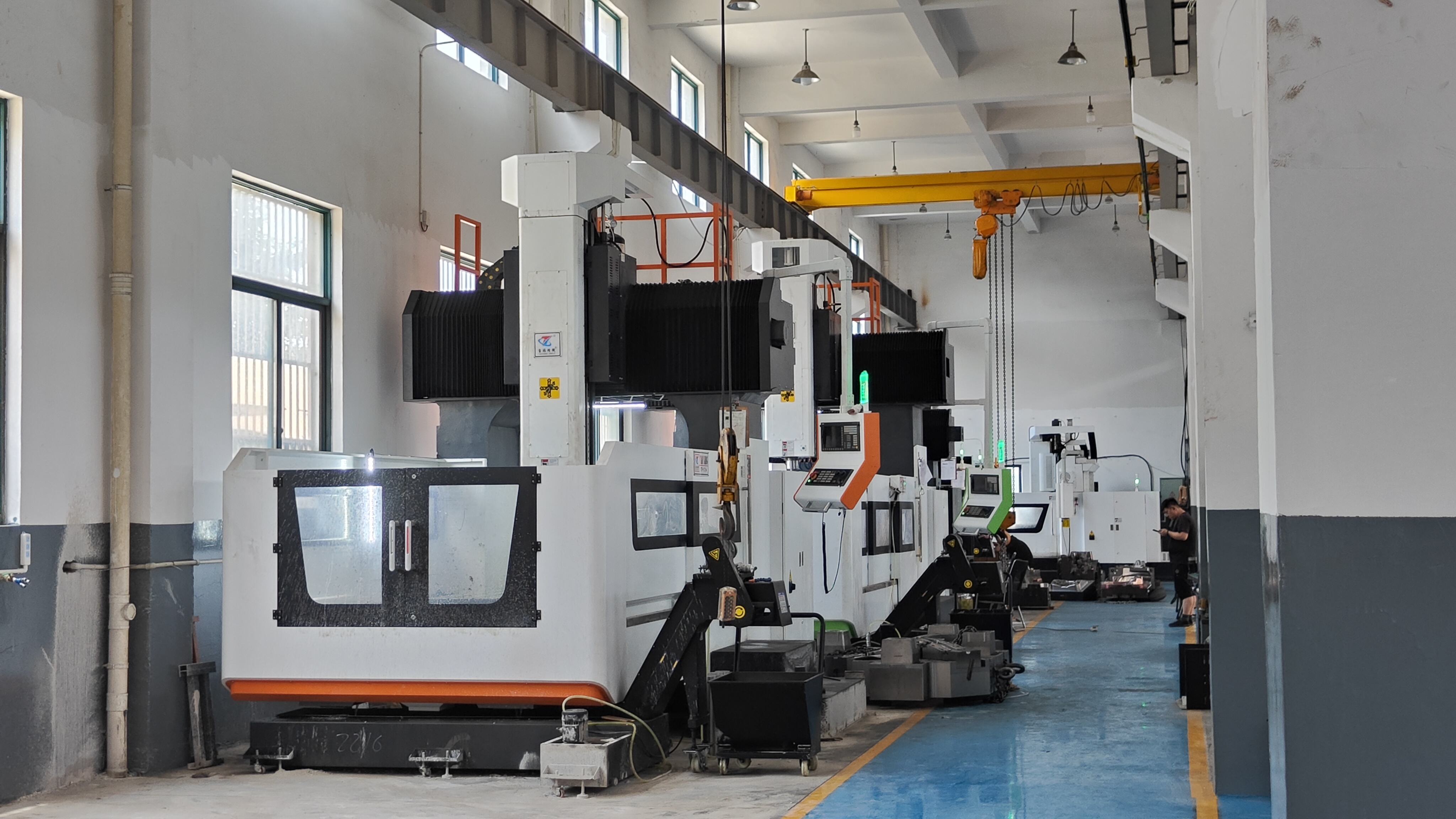
Visiting a mold factory is one of the most effective ways to evaluate manufacturing capability, quality control practices, and production readiness before committing to a partnership. A structured tour gives you firsthand insight into equipment, workforce expertise, safety protocols, and facility management that no brochure or website can fully convey. Understanding what to look for during your mold factory visit ensures you make informed decisions and avoid costly mistakes downstream.
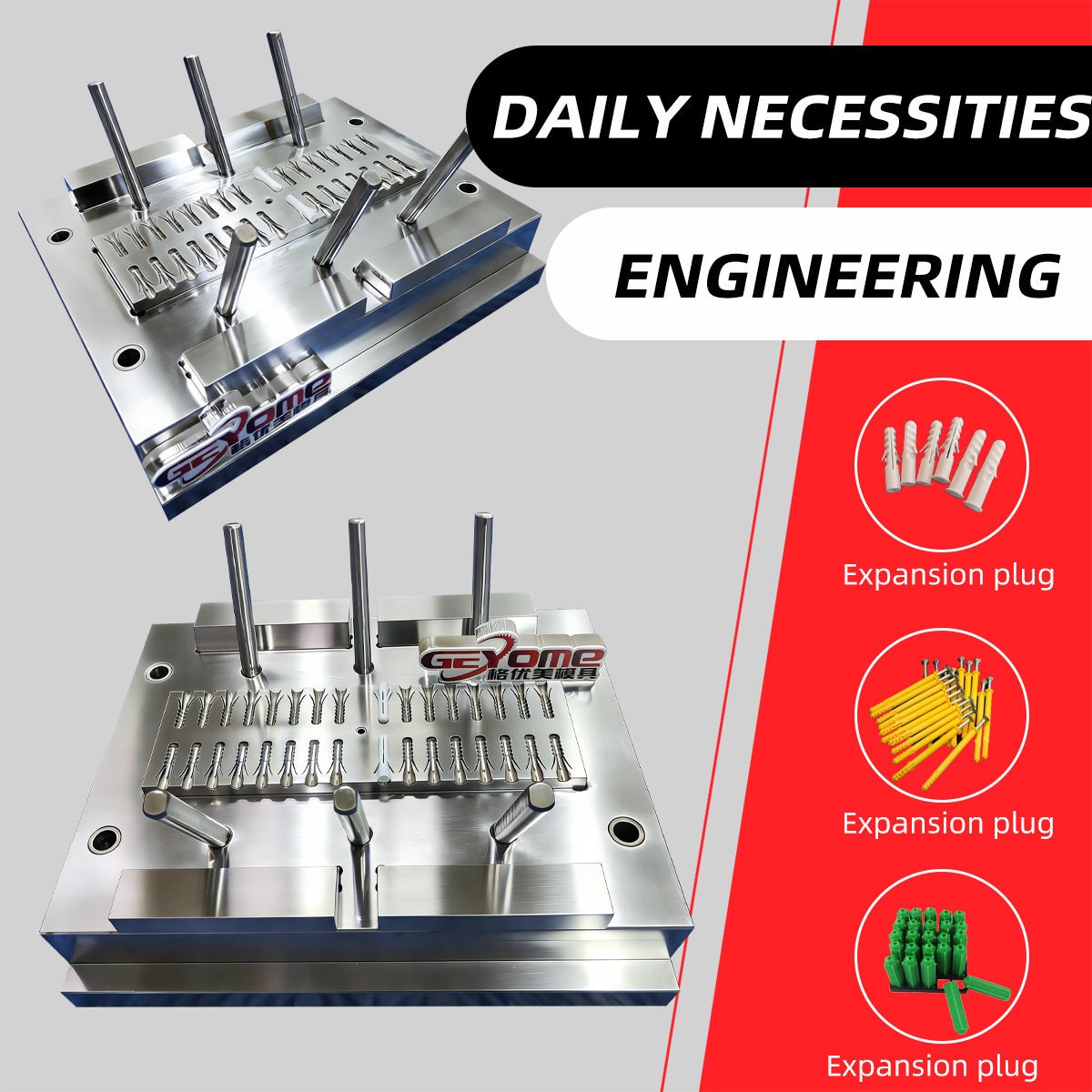
When you tour a mold factory, you're not simply observing machinery and workers. You're assessing the mold factory's operational maturity, technical depth, and commitment to consistency. The mold factory environment reveals whether leadership prioritizes precision, hygiene, documentation, and continuous improvement. This guide walks you through the essential inspection zones and critical questions that separate a reliable mold factory from one that cuts corners.
Equipment and Machining Capabilities
CNC Machinery and Precision Standards
The heart of any quality mold factory lies in its machining equipment. During your mold factory tour, examine the age, maintenance condition, and specification of CNC machines, EDM equipment, and grinding stations. A professional mold factory typically operates equipment capable of tolerances within 0.01 millimeters or tighter, depending on application. Ask the facility manager for documentation of equipment calibration schedules, maintenance logs, and certification records. Well-maintained machinery in a mold factory directly correlates to dimensional accuracy, reduced scrap rates, and shorter lead times.
Walk through the machining areas and observe whether operators are running jobs at rated capacity or pushing equipment beyond safe operating limits. A mold factory that respects equipment capacity produces more consistent parts. Look for tool change-outs, setup documentation, and program verification methods. A professional mold factory maintains written procedures for tool management, offset control, and in-process verification to prevent systematic errors.
Quality Control Instrumentation
An advanced mold factory investment in metrology tools demonstrates seriousness about quality. During your mold factory visit, request a tour of the inspection area. You should see coordinate measuring machines (CMM), optical comparators, surface roughness testers, and hardness testing equipment. The mold factory's quality control room is where raw data becomes proof of performance. Ask how frequently the mold factory calibrates instruments and whether they maintain traceability to national standards.
Inquire about first-article inspection processes, sampling plans, and statistical process control methods used by the mold factory. A mature mold factory tracks trend data, identifies root causes of variation, and implements corrective actions systematically. Documentation is key: the mold factory should provide inspection reports, control charts, and first-article approval reports without hesitation.
Production Organization and Workflow
Layout and Material Flow
The physical organization of a mold factory tells you whether operations are planned or chaotic. During your tour of the mold factory, observe how materials move from receiving through machining, heat treatment, assembly, and inspection. An efficient mold factory minimizes travel distance and backtracking. Excessive work-in-process inventory piled throughout a mold factory floor suggests poor scheduling or capacity bottlenecks. Clean, organized workstations indicate discipline; cluttered areas with duplicate tooling suggest waste.
Pay attention to how a mold factory manages subcomponents. Many mold factory operations require heat treatment, plating, or specialized surface work at external vendors. Ask the mold factory manager how they coordinate with vendors, verify subcomponent quality upon receipt, and schedule integration into final assembly. A professional mold factory maintains vendor scorecards and conducts periodic audits.
Project Documentation and Traceability
When you tour the mold factory, request access to current project files and job records. The mold factory should maintain digital or hardcopy records of tooling drawings, design approval, program files, setup documentation, inspection results, and shipment records. Robust mold factory documentation enables rapid response to quality issues, facilitates design changes, and ensures consistency across repeat orders. Ask the mold factory how they archive historical data and retrieve it for reference or troubleshooting.
Verify that the mold factory has implemented configuration control systems. When a design changes, all stakeholders—including the mold factory—must agree and document the change. A mold factory without formal change control risks producing parts to outdated specifications or creating inconsistency between production runs.
Safety, Maintenance, and Continuous Improvement
Facility Safety and Employee Practices
A safe mold factory is a professional mold factory. During your mold factory visit, observe whether workers wear appropriate personal protective equipment, whether machines have guarding and emergency stops, and whether aisles are clear and marked. The mold factory should display safety certifications, incident logs, and training records. Ask the mold factory about near-miss reporting and whether employee suggestions for improvement are actively solicited and implemented. A mold factory with strong safety culture attracts stable, skilled employees who take pride in quality.
Unsafe practices in a mold factory often correlate with other quality problems. When a mold factory tolerates shortcuts around safety, they also tolerate shortcuts in process compliance, documentation, and quality verification. Conversely, a mold factory that invests in worker safety, training, and ergonomic equipment typically demonstrates the same discipline in production controls.
Preventive Maintenance and Continuous Improvement
Ask the mold factory to show you their equipment maintenance schedule and logs. A well-run mold factory follows preventive maintenance protocols, not just reactive repairs. Request data on equipment uptime and mean time between failures. A mold factory with high unplanned downtime indicates poor maintenance or inadequate capital investment. Conversely, a mold factory that maintains high uptime demonstrates operational discipline and long-term thinking.
Inquire about the mold factory's approach to continuous improvement. Does the mold factory participate in lean manufacturing, six sigma, or other formal improvement methodologies? A progressive mold factory tracks key performance indicators such as on-time delivery rate, scrap percentage, cycle time, and cost per unit. The mold factory should share these metrics openly and explain improvement initiatives underway. This transparency indicates confidence and genuine commitment to partnership.
Technical Expertise and Communication
Engineering and Design Support
During your mold factory tour, meet with engineering staff and assess their technical depth. A capable mold factory engineer understands material properties, mold cooling, gate location, draft angles, undercuts, and wall thickness guidelines. Ask the mold factory engineering team about their design review process. Do they proactively flag potential manufacturability issues, or do they simply execute drawings as provided? A proactive mold factory reduces iterations and accelerates time-to-production.
Discuss with the mold factory how they handle design changes and customer requests. A responsive mold factory has rapid quotation and scheduling processes. Inquire about the mold factory's typical lead time for prototypes, production molds, and repeat work. Lead time transparency is a good indicator of realistic mold factory planning and capacity management.
Communication and Support Structure
Evaluate the mold factory's communication channels and responsiveness. Is there a dedicated project manager assigned to your account, or do you chase multiple mold factory staff for updates? A professional mold factory appoints a primary contact who coordinates all communications, tracks progress, and escalates issues promptly. Ask the mold factory about their availability for urgent questions and how they handle rush requests or design modifications mid-project.
FAQ
What are the most critical areas to inspect during a mold factory tour?
The most critical areas during a mold factory tour include precision machining equipment and metrology, production workflow organization, quality control documentation systems, preventive maintenance records, and safety protocols. These zones reveal whether the mold factory operates with discipline, invests in capability, and maintains consistent standards. Additionally, evaluate the mold factory's engineering team, communication structure, and willingness to share performance data transparently.
How can I assess whether a mold factory meets our quality requirements?
Request that the mold factory provide first-article inspection reports, statistical process control charts, and recent internal audit results. Ask the mold factory whether they maintain ISO 9001 or equivalent certifications and request copies of audit reports. Inquire about the mold factory's defect rate, scrap percentage, and on-time delivery performance over the past 12 months. A mold factory confident in their quality will produce this documentation without hesitation and explain trends transparently.
What questions should I ask about a mold factory's capacity and lead times?
Ask the mold factory to disclose current capacity utilization, typical turnaround times for prototype versus production molds, and any seasonal variations in lead time. Inquire whether the mold factory can accommodate rush orders and what premium applies. Ask the mold factory how they prioritize projects and whether they build buffer capacity to absorb unexpected demand. A realistic mold factory acknowledges constraints honestly rather than making unrealistic promises.