medical device injection molding
Medical device injection molding represents a specialized manufacturing process that produces high-precision components for healthcare applications. This advanced technique involves injecting molten plastic or polymer materials into carefully designed molds under controlled pressure and temperature conditions. Medical device injection molding creates intricate parts that meet stringent industry standards and regulatory requirements.
The primary function of medical device injection molding is to manufacture complex, sterile-compatible components with exceptional accuracy and consistency. These parts form essential elements of diagnostic equipment, drug delivery systems, surgical instruments, and monitoring devices. Medical device injection molding enables manufacturers to produce components with tight tolerances, intricate geometries, and biocompatible material specifications.
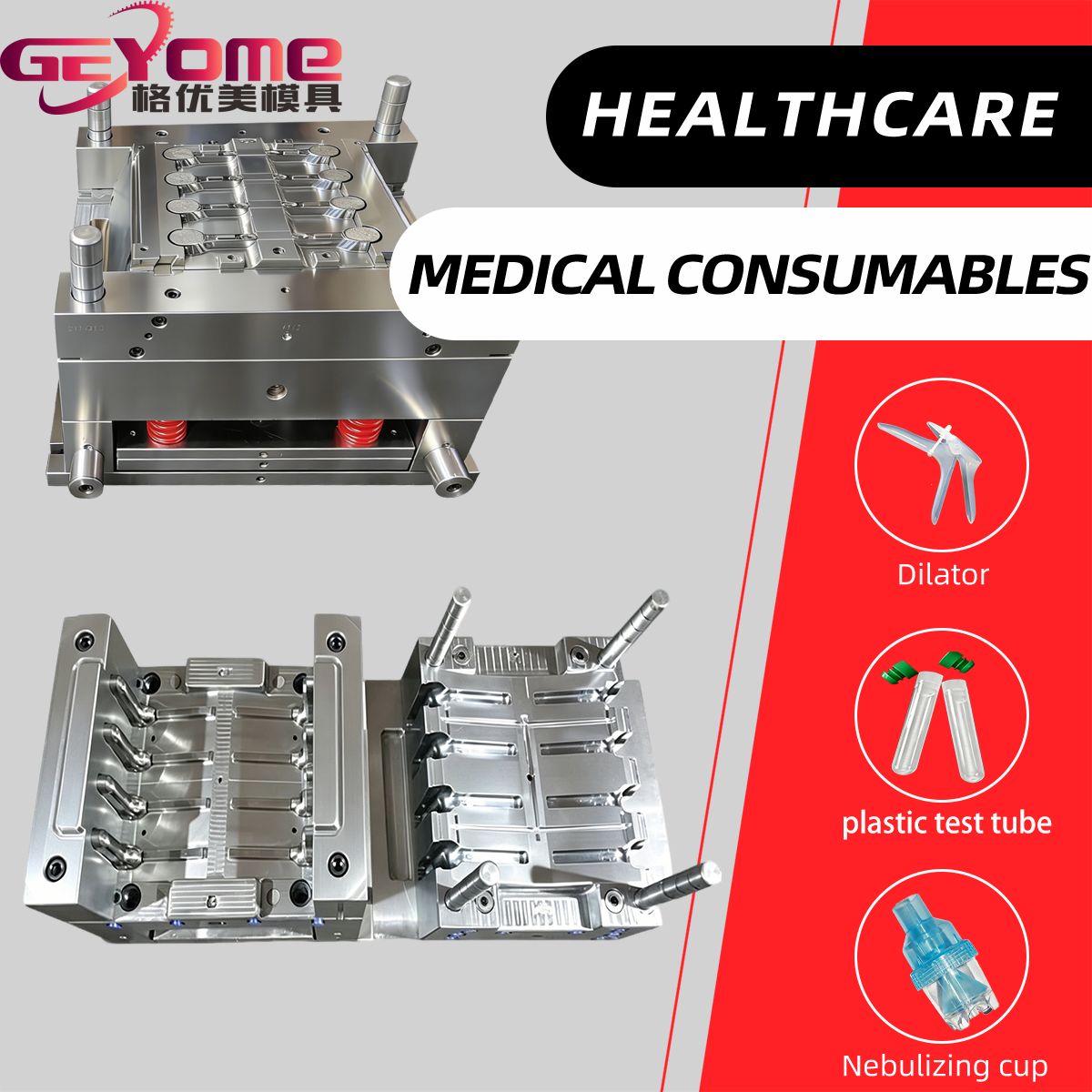
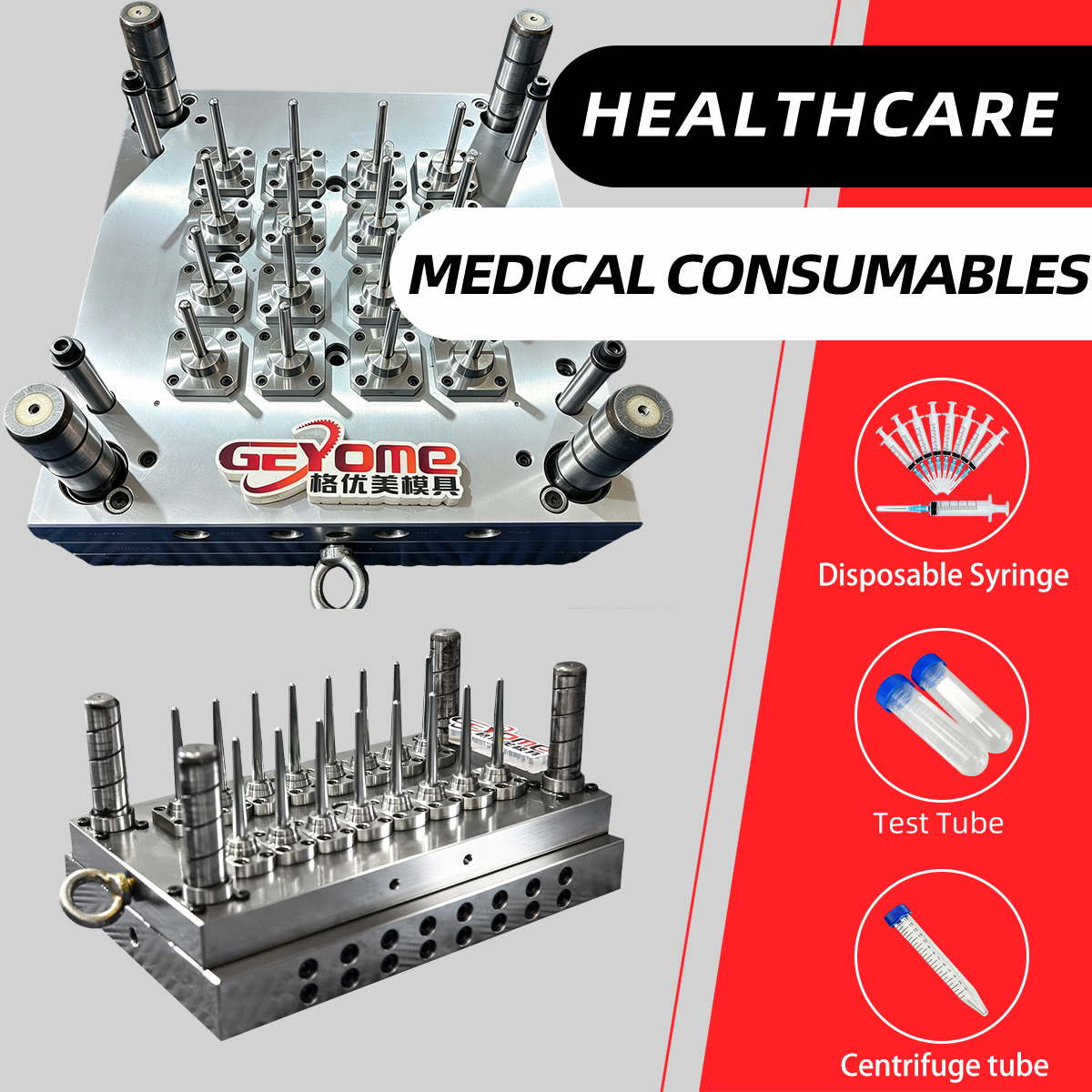
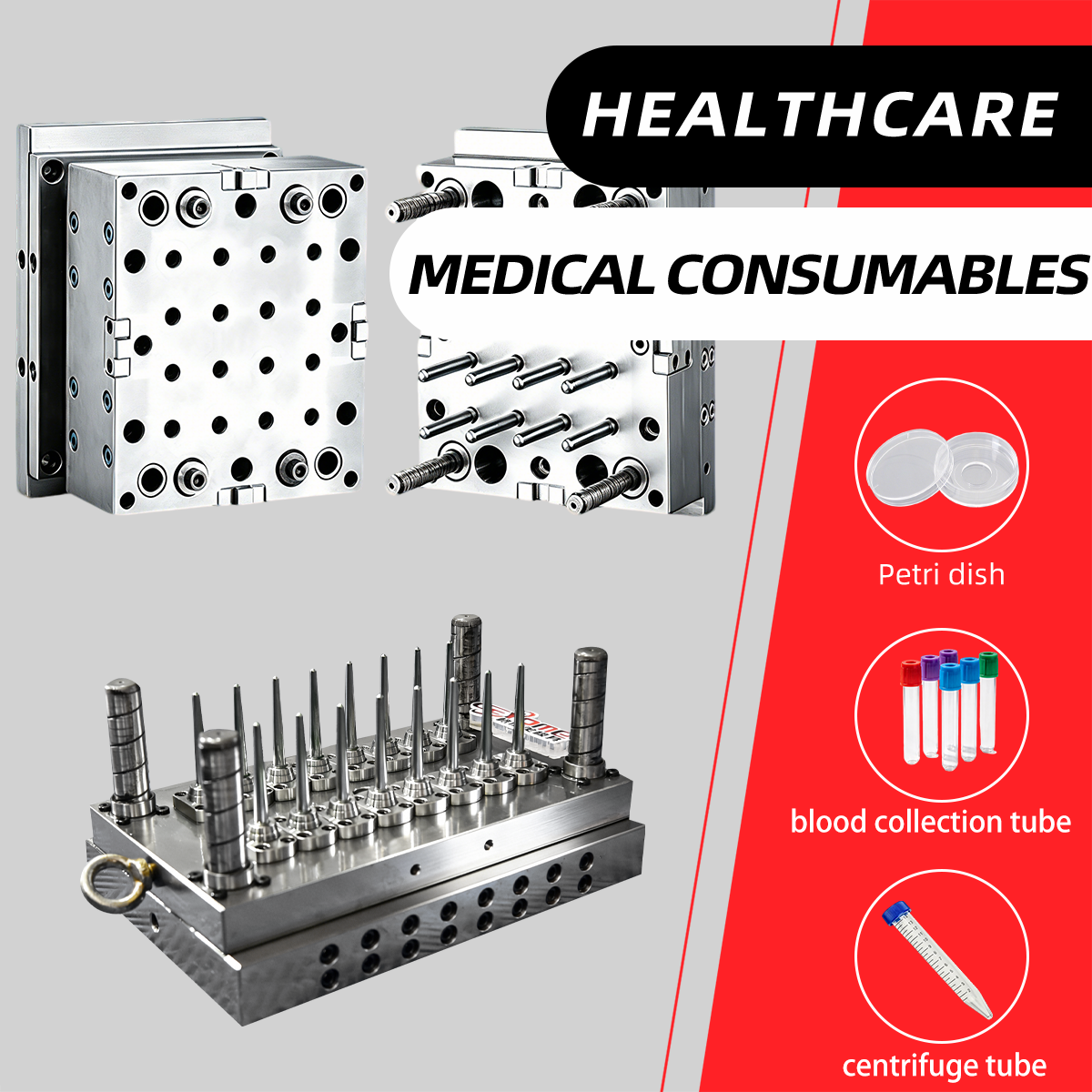
Technological features distinguish modern medical device injection molding from standard plastic manufacturing. The process incorporates advanced temperature control systems, multi-cavity mold designs, and real-time monitoring technology. These features ensure uniform material distribution, eliminate defects, and maintain repeatable quality across production runs. Medical device injection molding processes often include automated gate systems, precision cooling channels, and contamination prevention protocols.
Applications of medical device injection molding span multiple healthcare sectors. Common uses include manufacturing insulin pen components, catheter housings, hearing aid shells, diagnostic test cartridges, and surgical guide components. The versatility of medical device injection molding allows production of both simple single-cavity parts and extremely complex multi-feature assemblies. This manufacturing method supports rapid prototyping, cost-effective scaling, and seamless integration with assembly operations, making it indispensable for modern medical device manufacturing.

 EN
EN