plastic mold
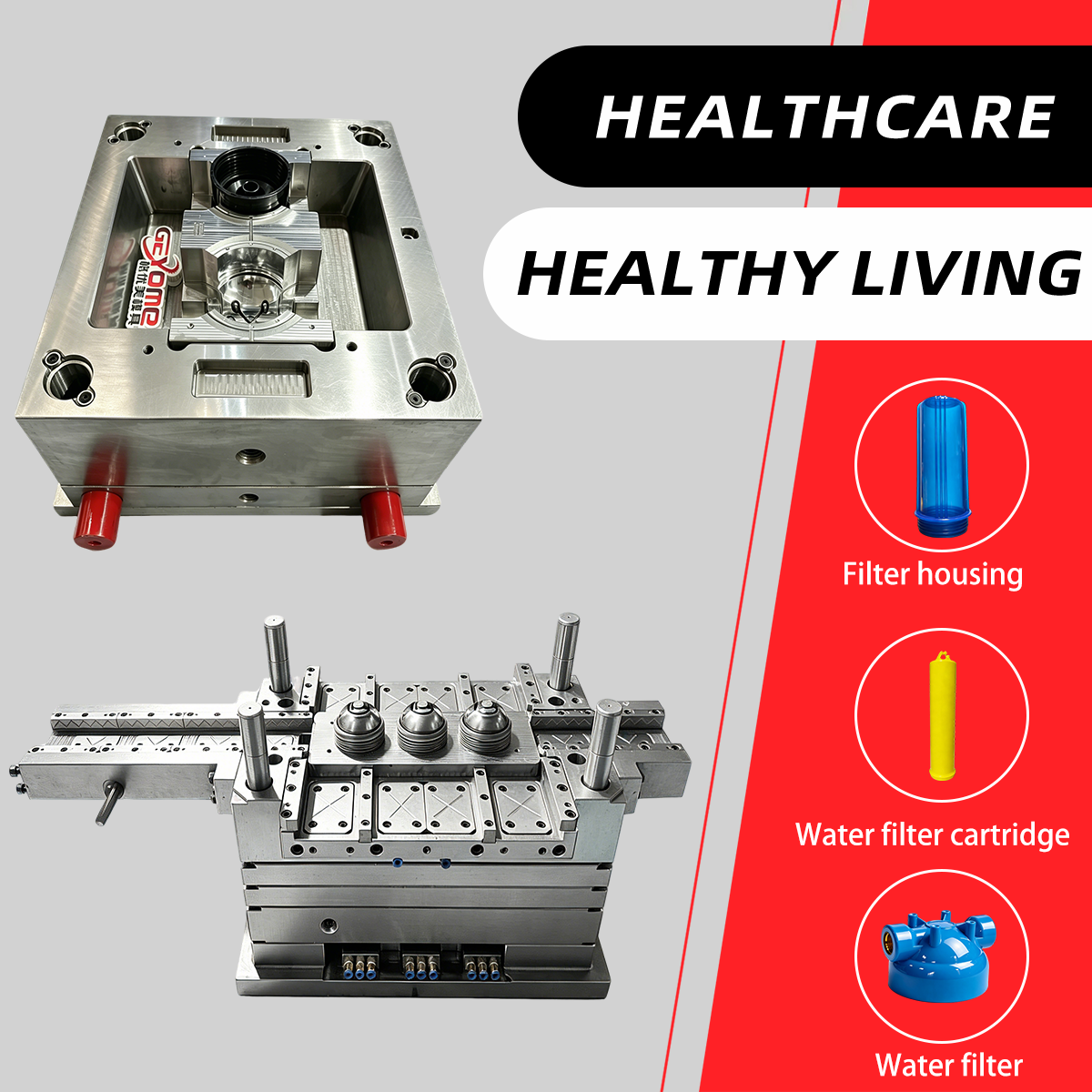
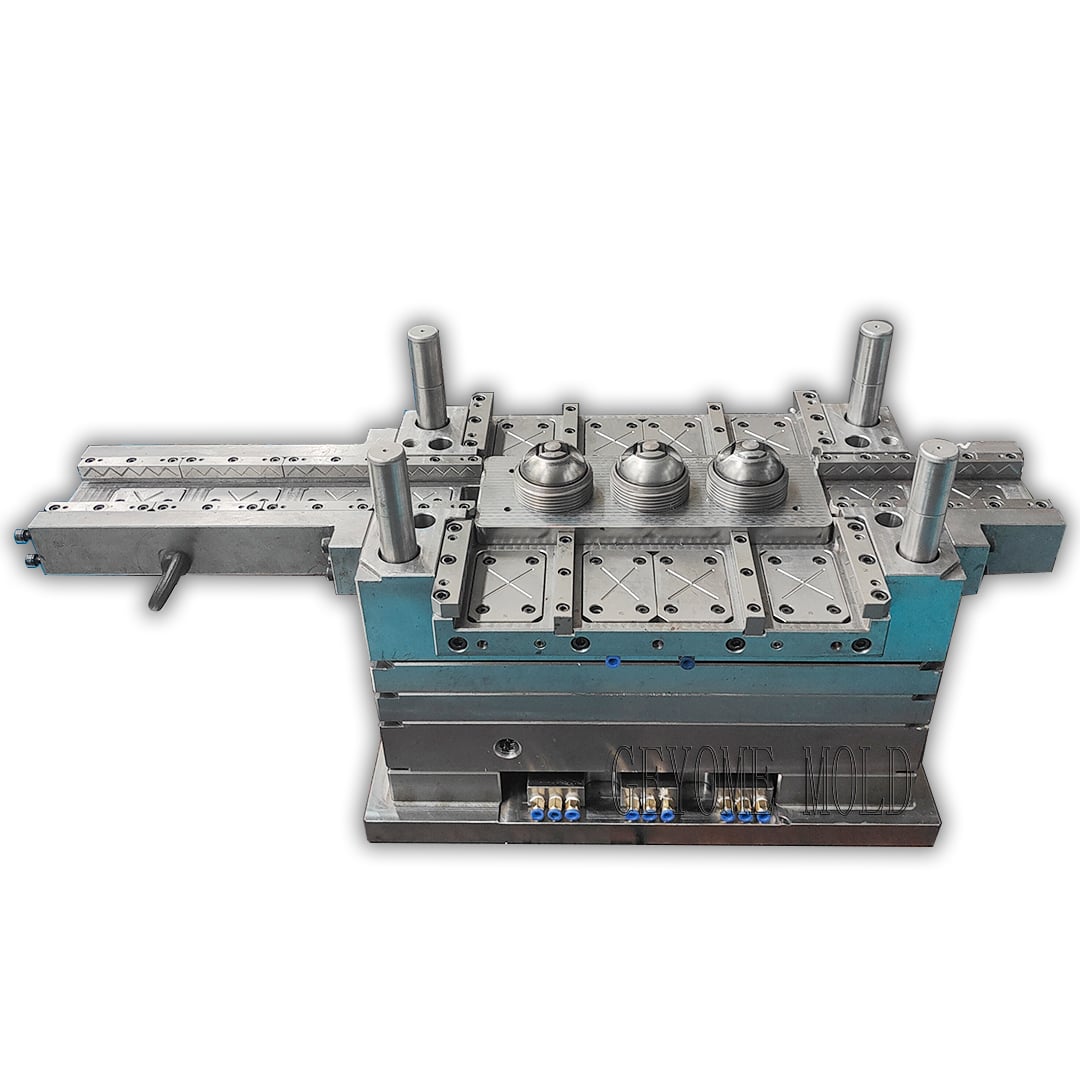
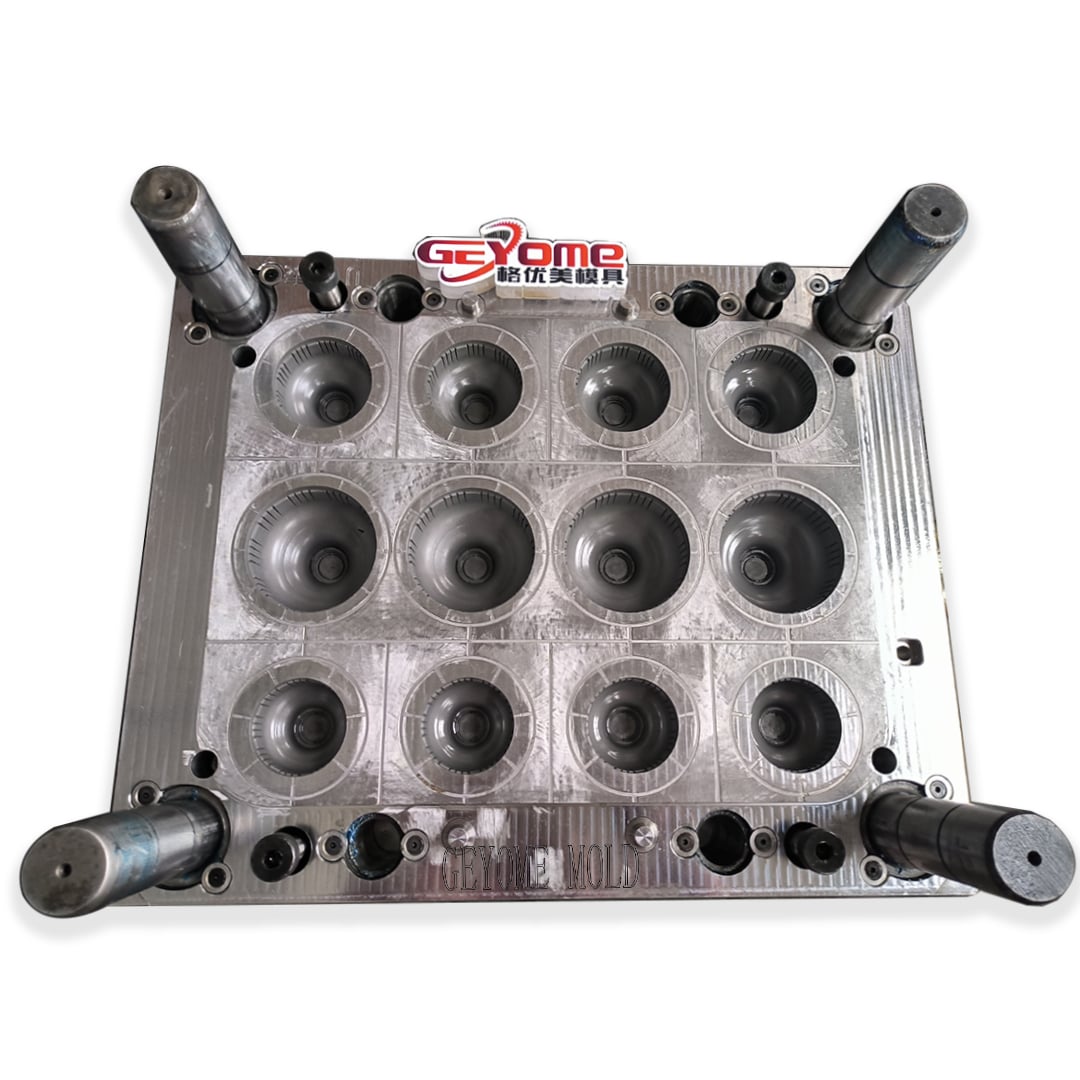
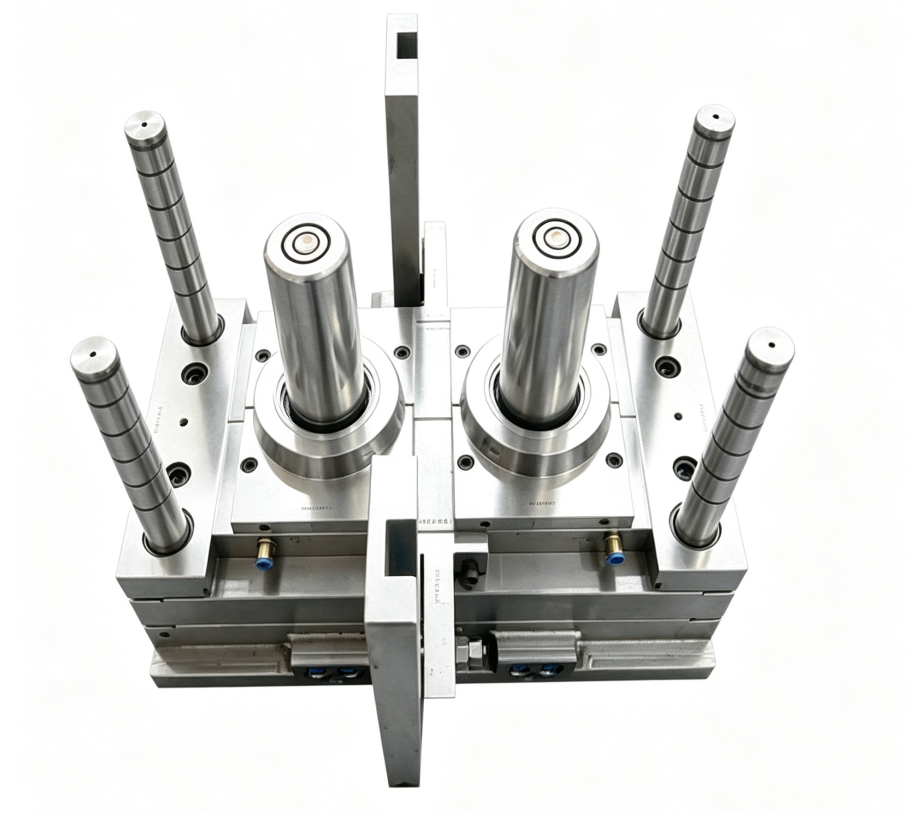
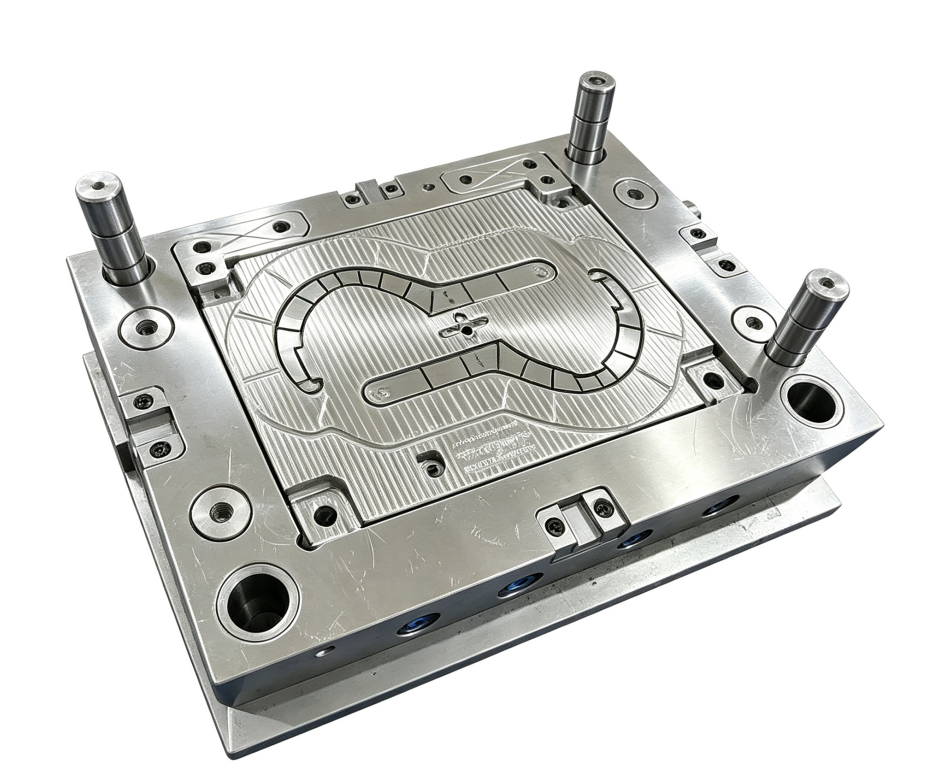
A plastic mold represents a precision-engineered tool designed to shape molten or liquid plastic materials into specific forms through injection, compression, or blow molding processes. The primary function of a plastic mold is to produce consistent, high-quality plastic components efficiently and at scale. Every plastic mold features carefully designed cavities that determine the final product's dimensions, surface finish, and structural integrity.
Modern plastic mold technology incorporates advanced features that significantly enhance manufacturing capabilities. These include sophisticated cooling systems that reduce cycle times, precision gate designs that minimize material waste, and durable steel construction that withstands thousands of production cycles. The technological features of contemporary plastic mold systems enable manufacturers to achieve tight tolerances and complex geometries that were previously impossible.
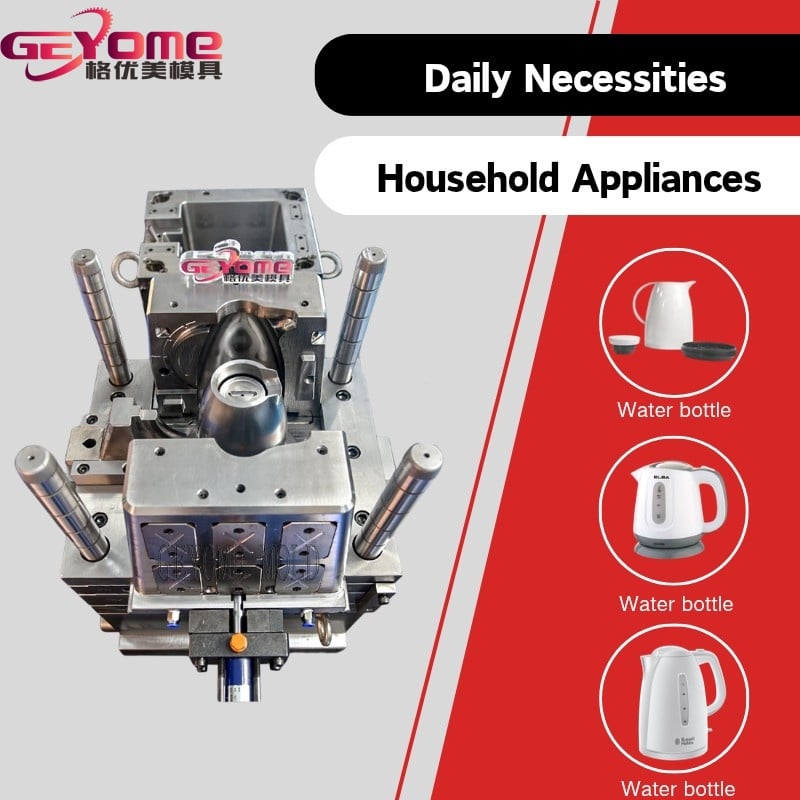
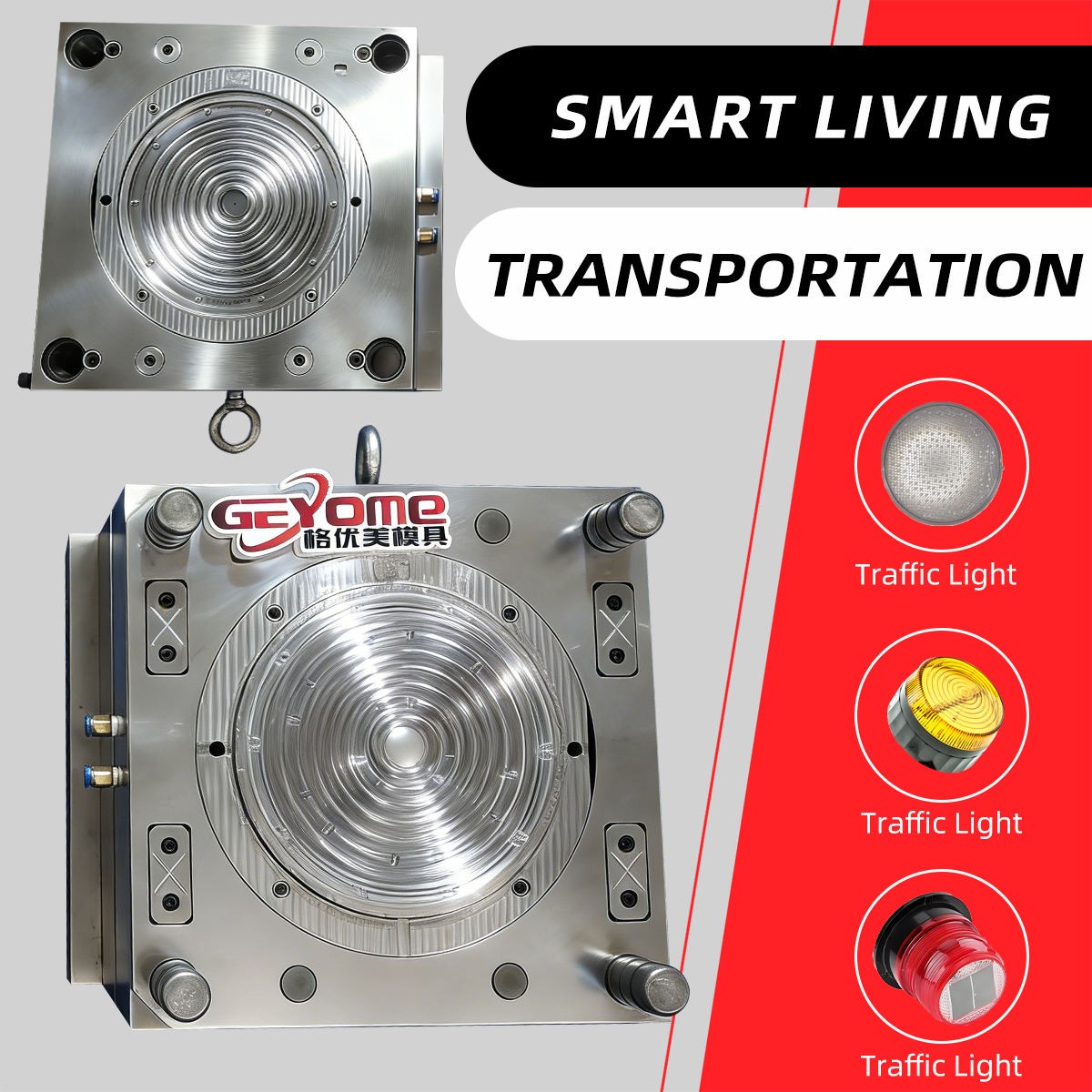
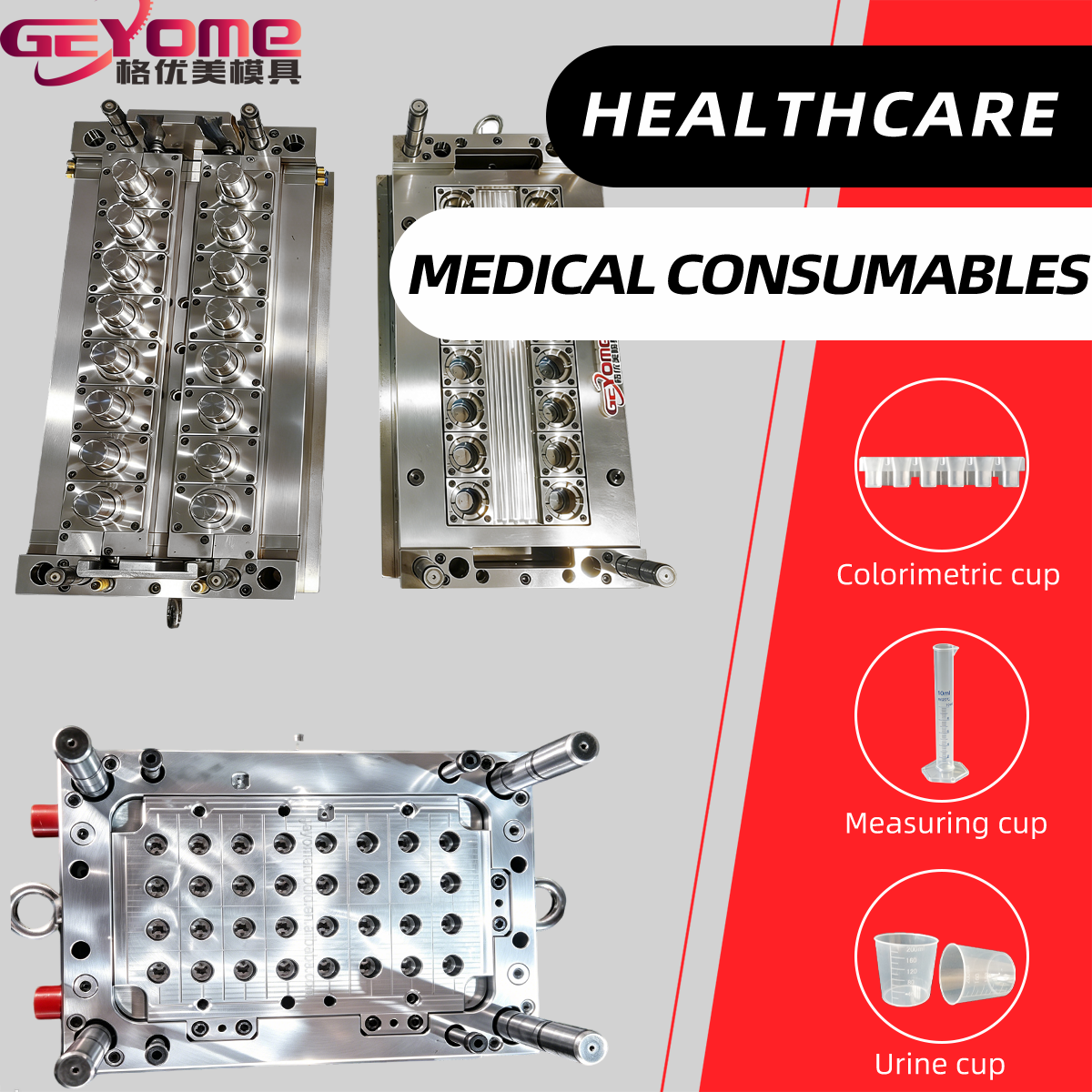
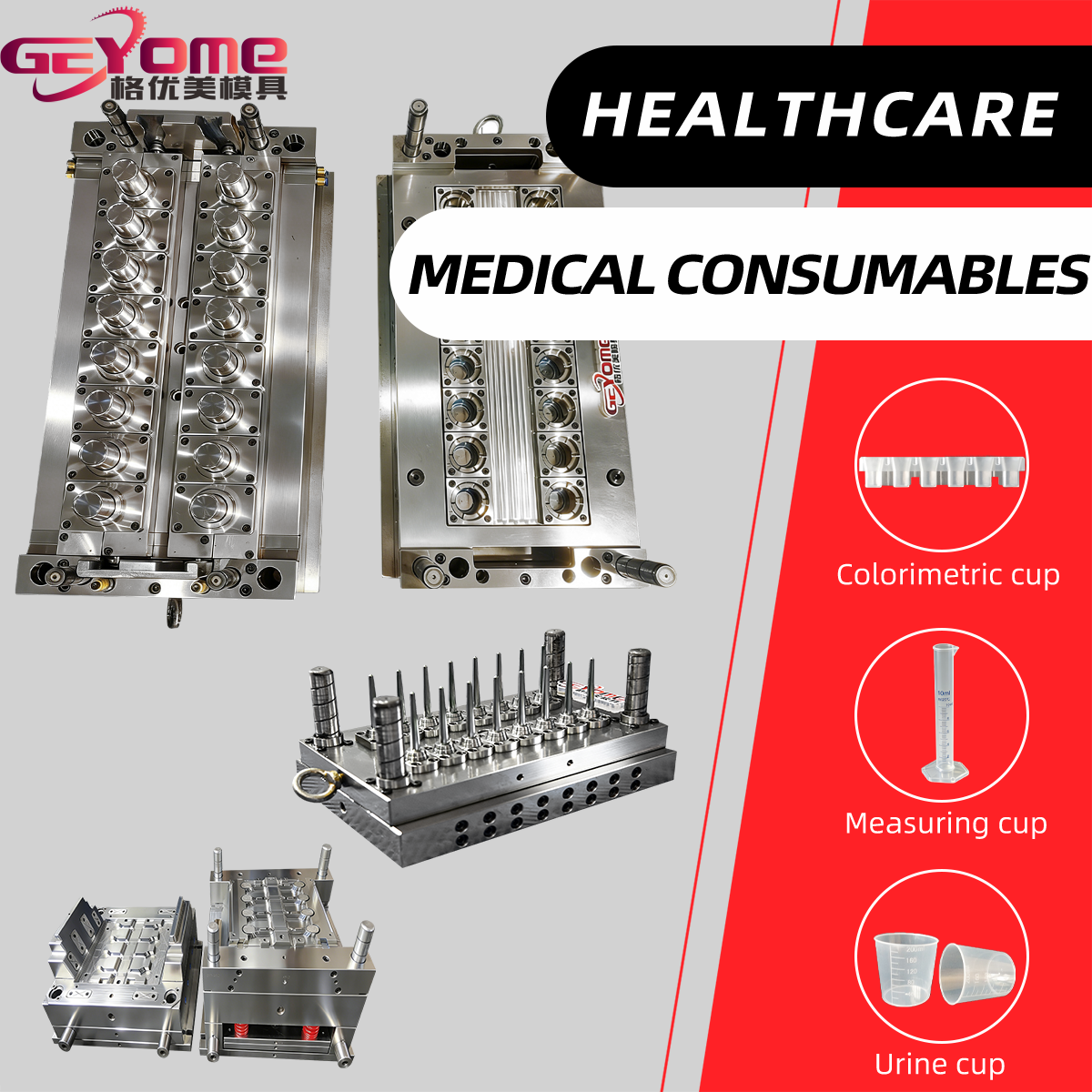
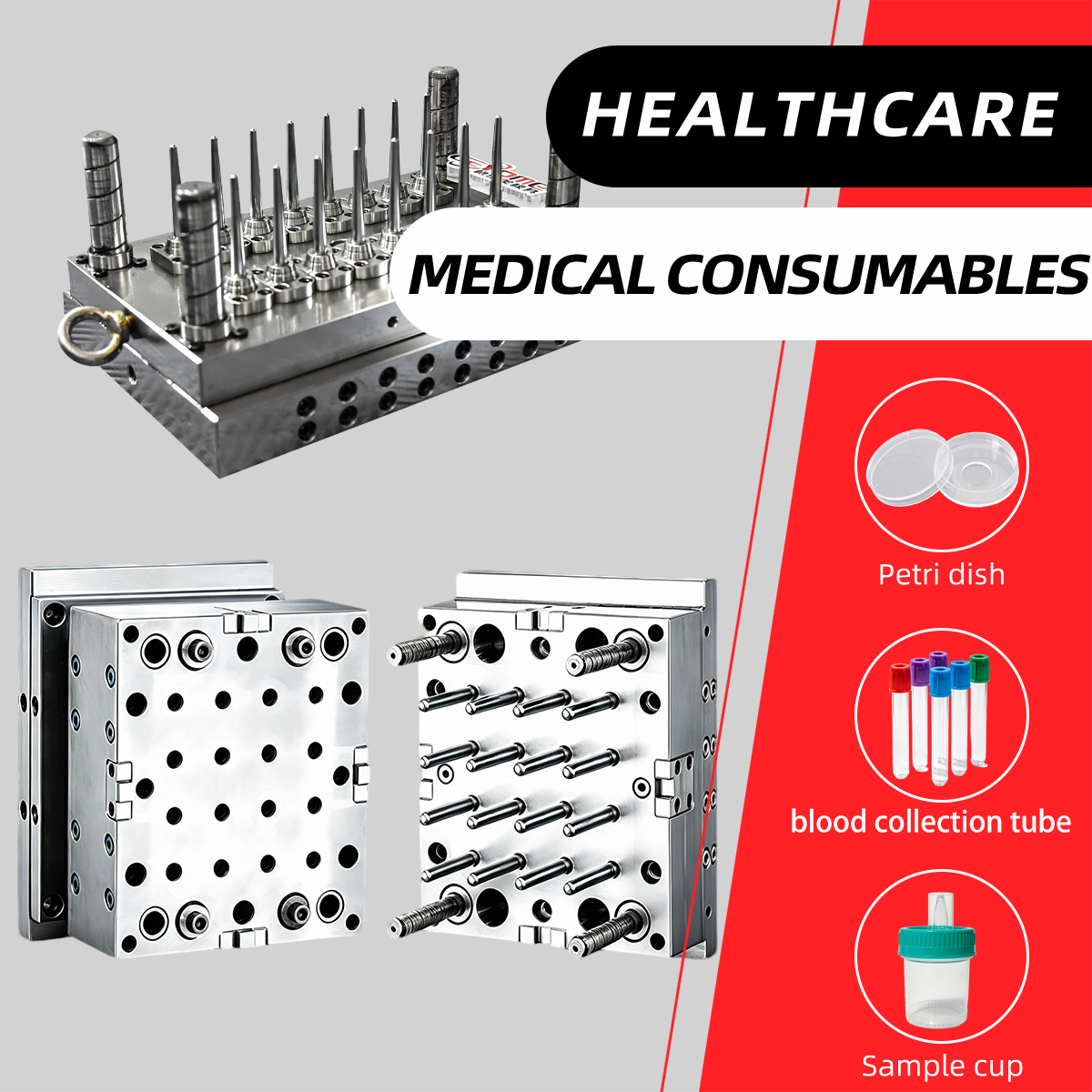
Applications for plastic mold extend across numerous industries. Automotive manufacturers rely on plastic mold solutions for producing interior trim components, exterior panels, and functional parts. Consumer electronics companies use plastic mold technology to create housings, connectors, and protective casings. The medical device industry depends on sterile plastic mold-produced components, while packaging manufacturers utilize plastic mold systems for bottles, containers, and caps. Household appliances, toys, and industrial equipment all benefit from plastic mold manufacturing capabilities.
The versatility of plastic mold technology makes it indispensable across diverse sectors. Whether producing simple structural elements or intricate multi-cavity components, a plastic mold serves as the foundation for efficient, cost-effective mass production of plastic products.

 EN
EN