
 EN



Selecting the right mold maker is one of the most critical decisions you can make in your manufacturing supply chain. The technical capabilities of your chosen mold maker directly influence product quality, production timelines, cost efficiency, and long-term competitiveness. Whether you are developing a new product line or scaling existing production, understanding how to evaluate a mold maker's technical expertise ensures you partner with a provider capable of meeting your specific requirements.
A mold maker's technical capabilities span design proficiency, manufacturing precision, material expertise, and quality control systems. Evaluating these dimensions requires a structured approach that examines both hard technical credentials and demonstrated operational track record. This article outlines the key assessment criteria that help you identify a mold maker with the engineering depth, equipment sophistication, and quality commitment needed for your injection molding projects.
Design and Engineering Expertise
CAD Proficiency and Design Optimization
A capable mold maker must demonstrate strong computer-aided design (CAD) capabilities and design-for-manufacturability (DFM) knowledge. Review the mold maker's experience with modern CAD software platforms such as UG, Pro/E, CATIA, or SolidWorks. Ask about their design validation process, including simulation tools for cooling analysis, flow analysis, and shrinkage prediction. A mold maker with advanced design expertise can identify potential production issues early, optimize gate locations, and recommend wall thickness adjustments that improve both part quality and cycle time efficiency.
Mold Tooling Architecture Knowledge
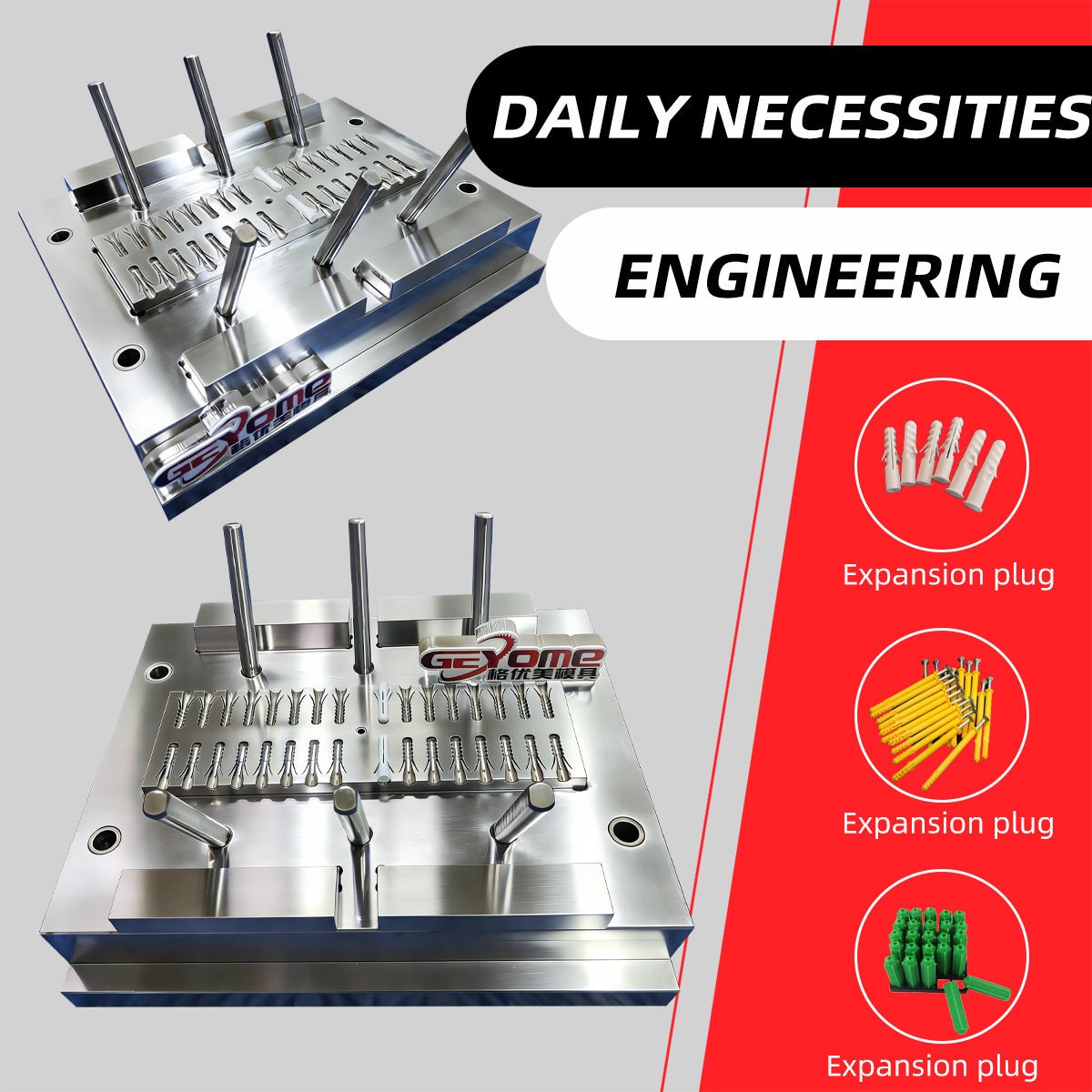
Technical depth in mold tooling architecture separates experienced mold makers from generic producers. Inquire about their familiarity with multi-cavity molds, unscrewing mechanisms, side-action systems, and lifter designs. A skilled mold maker understands how different mold structures affect part geometry, surface finish, and production economics. Request examples of complex molds they have designed and built, particularly those involving challenging undercuts, thin walls, or tight tolerances. Their ability to articulate mold design trade-offs demonstrates genuine technical competence.
Manufacturing Precision and Process Control
Equipment Specifications and Machining Capabilities
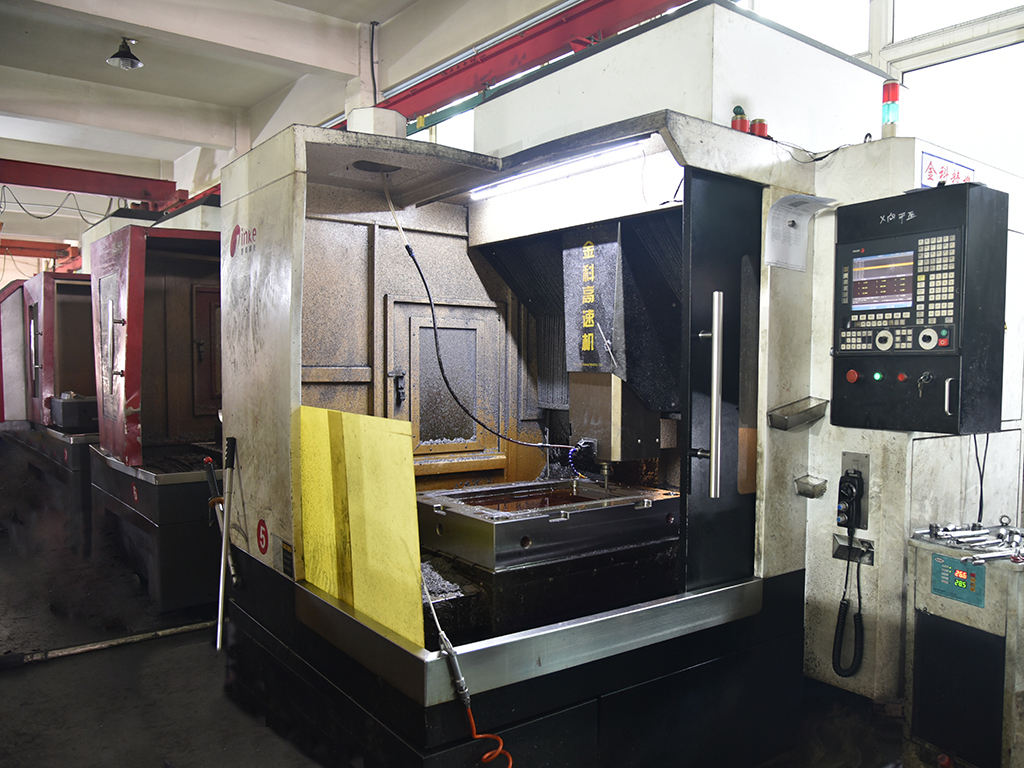
The mold maker's machinery directly determines their precision limits and surface quality capabilities. Verify their CNC machine inventory, including spindle power, axis configurations, and axis travel dimensions. Modern mold makers typically operate five-axis CNC machines that enable complex cavity geometries and faster production cycles. Ask about their EDM (electrical discharge machining) equipment for fine details and cavity finishing. High-speed machining capabilities, combined with proper fixturing and software, allow a mold maker to hold tight dimensional tolerances consistently. Request information about machine maintenance schedules and measurement system accuracy to understand their commitment to precision consistency.
Tolerance Standards and Quality Repeatability
Evaluate the mold maker's stated tolerance ranges and ask for evidence of their ability to hold them across production batches. A mold maker should clearly articulate achievable tolerance levels for different features and materials. Request historical data showing repeatability across multiple molds of the same design. Quality documentation including SPC (statistical process control) charts, first-article inspection reports, and certification records demonstrate that a mold maker has systematic quality management. Verify whether they maintain ISO 13485 or ISO 9001 certifications, which indicate formal quality system implementation and continuous improvement discipline.
Material Expertise and Production Capability
Material Selection and Processing Knowledge
A mold maker must understand how different materials affect mold design and injection parameters. Discuss their experience with various plastic resins including polypropylene, polyethylene, ABS, polycarbonate, and engineering polymers. Each material demands different mold temperatures, cooling strategies, and gate designs. An experienced mold maker knows how material shrinkage rates, flow characteristics, and thermal properties influence cavity geometry and cooling channel placement. They should also understand elastomer and thermoset processing if your applications involve these materials. Request examples of challenging material applications and how they adapted their mold strategy accordingly.
Production Volume Scalability
Assess whether the mold maker can support your production volume trajectory. Discuss their capacity for low-volume prototype runs, medium-volume production, and high-volume manufacturing. A mold maker supporting different volume tiers requires flexible staffing, diverse machine capability, and efficient inventory management. Ask about their lead time commitments and whether they maintain redundant equipment for critical machines. Understanding their historical performance during demand spikes helps you assess reliability during your growth periods. Verify their experience with your industry's typical volume profiles and seasonal demand patterns.
Quality Systems and Production Reliability
Inspection and Defect Prevention Processes
Quality mold makers implement comprehensive inspection protocols at multiple production stages. Inquire about their incoming material inspection procedures, in-process dimensional verification during machining, and final cavity inspection using CMM (coordinate measuring machine) equipment. A mold maker should maintain documented inspection records showing that each cavity meets specifications before mold assembly. Ask about their defect root-cause analysis process and how they prevent recurrence. Evidence of systematic quality management—including documented procedures, trained inspectors, and preventive maintenance schedules—indicates a mold maker with genuine quality commitment rather than reactive problem-solving.
Mold Testing and Validation Before Delivery
Reputable mold makers conduct pre-delivery testing to verify mold performance. Ask about their trial-run protocols, including test shot documentation showing part quality from early cavity fills. They should document cooling consistency, part ejection behavior, and surface finish quality. A mold maker providing first-article reports demonstrates confidence in their work and accountability for performance. Discuss their willingness to support your first production runs and their troubleshooting response process. This reliability indicator separates committed partners from transactional suppliers.
FAQ
What specific questions should I ask a mold maker about their design capabilities?
Ask about their CAD software expertise, simulation tools for cooling and flow analysis, and their design-for-manufacturability process. Request examples of complex molds they have designed, particularly those involving challenging geometry or tight tolerances. Inquire about their experience with multi-cavity systems, side actions, and hot runner designs relevant to your project. A strong mold maker will articulate how they optimize design for both part quality and production efficiency.
How can I verify a mold maker's precision and quality standards?
Request documentation of their CNC equipment specifications, tolerance capabilities, and quality certifications such as ISO 9001 or ISO 13485. Ask for historical SPC data, first-article inspection reports, and examples of measurement equipment they use. Inquire about their inspection procedures at different production stages and their defect tracking system. A mold maker willing to provide this documentation and discuss quality metrics demonstrates transparency and confidence in their process.
What production factors should I evaluate before selecting a mold maker?
Evaluate their capacity for your current volume and future growth, their lead time commitments, and their ability to support prototype runs through high-volume production. Discuss their machine redundancy for critical equipment, their staffing flexibility, and their historical performance during volume spikes. Ask about their material processing experience with the specific polymers your products require. Understanding these operational dimensions helps ensure a mold maker can reliably support your business as it evolves.