
 EN



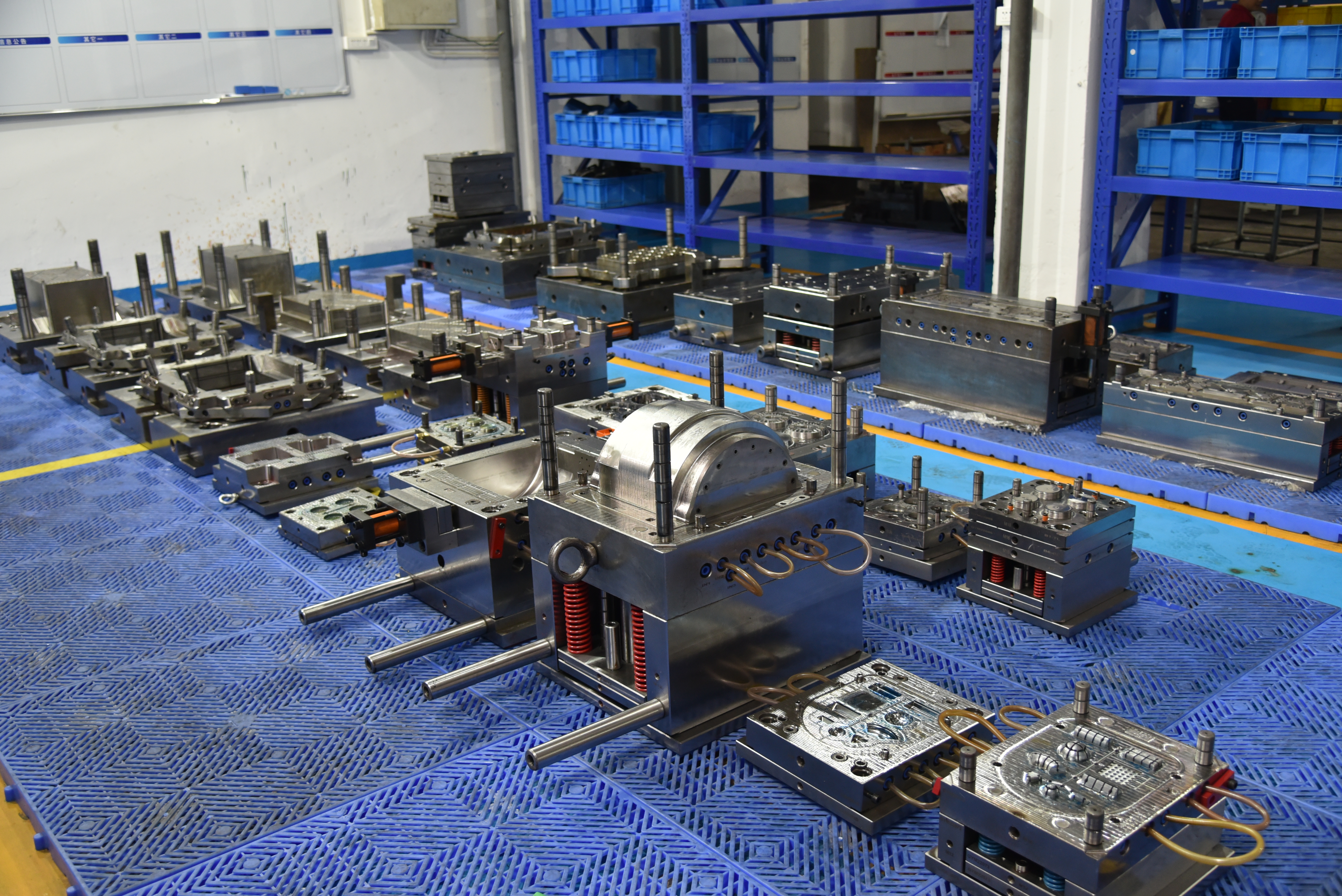
Selecting and maintaining a strong relationship with a reliable mould supplier is one of the most critical decisions a manufacturing organization can make. The performance of your mould supplier directly impacts product quality, production timelines, and overall operational costs. Without clear performance metrics, it becomes difficult to measure whether your current partnership is delivering value or if adjustments are necessary. Establishing a comprehensive framework for evaluating mould supplier performance ensures you maintain high standards throughout your supply chain.
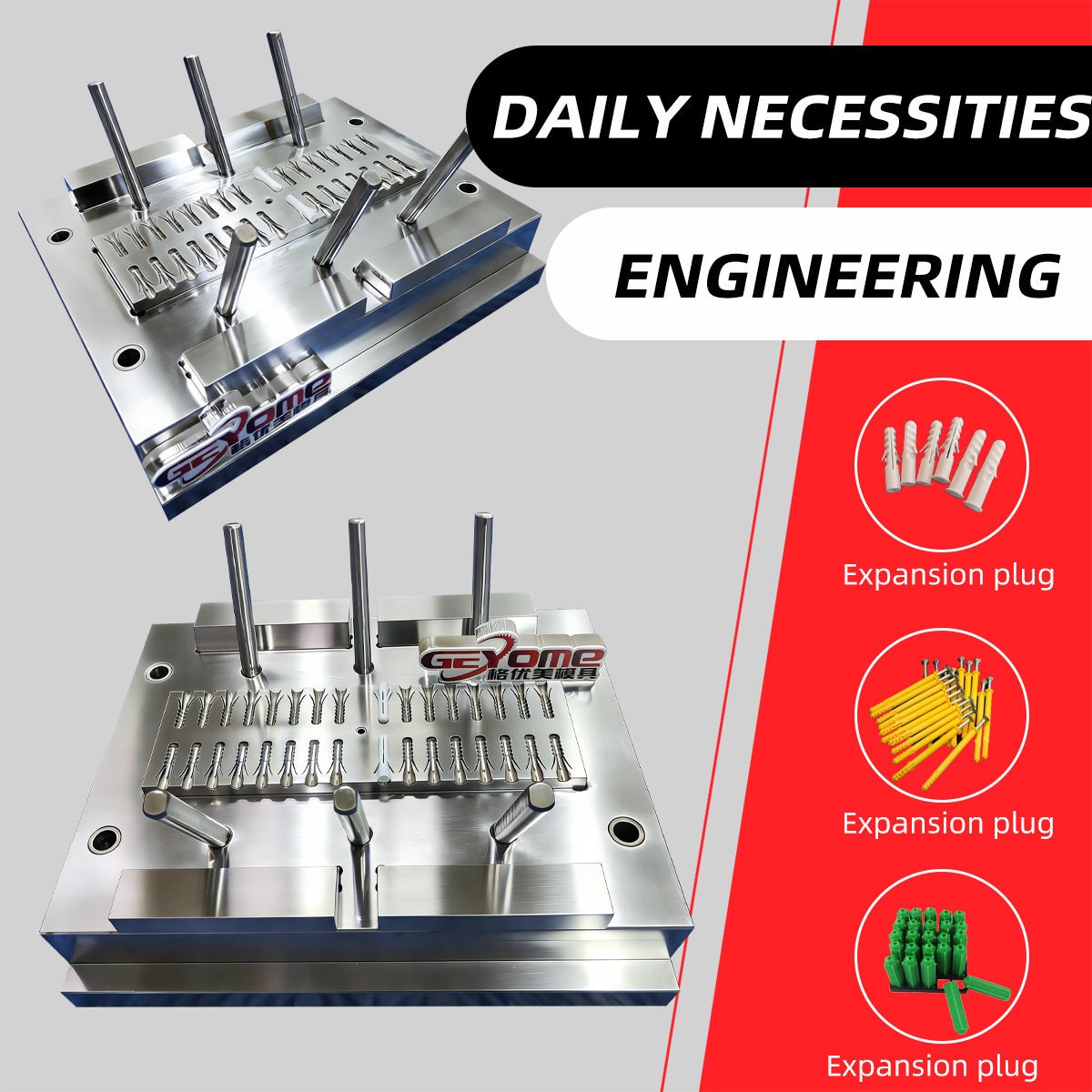
A structured approach to mould supplier evaluation protects your business from quality issues, costly delays, and financial inefficiency. By tracking key performance indicators across multiple dimensions, you gain visibility into which suppliers consistently meet expectations and which may require intervention or replacement. This article explores the essential metrics that manufacturing leaders use to evaluate mould supplier performance over extended periods, helping you build stronger partnerships and avoid supply chain disruptions.
Delivery and Timeline Performance
On-Time Delivery Rate
On-time delivery is perhaps the most visible indicator of mould supplier reliability. This metric measures the percentage of orders delivered within the agreed timeframe, including samples, prototypes, and production tooling. A mould supplier with a high on-time delivery rate demonstrates operational discipline and respect for your production schedules. Manufacturing leaders typically target a minimum of 95 percent on-time delivery, though some industries require even stricter standards. When a mould supplier consistently misses deadlines, it cascades downstream, disrupting your production runs and potentially causing customer dissatisfaction.
Lead Time Consistency
Beyond meeting promised dates, a high-performing mould supplier maintains consistent lead times across similar projects. Variability in lead time indicates inconsistent processes, resource allocation problems, or capacity constraints. Track the actual lead time versus the quoted lead time for each project type your mould supplier handles. A reliable supplier will have narrow variance, allowing your planning team to forecast confidently. When a mould supplier provides highly variable lead times, your operations team cannot build reliable production schedules, creating buffer stock costs and inefficiency throughout your manufacturing system.
Quality and Technical Excellence
Defect Rate and Rework Costs
Quality defects directly impact your bottom line, making this a non-negotiable performance area for any mould supplier relationship. Track the number of molds rejected upon receipt, the percentage requiring rework, and total rework costs as a proportion of the original tooling cost. A quality mould supplier maintains defect rates below 2 percent, with zero critical defects in dimensional accuracy or surface finish. When your mould supplier delivers tools with high defect rates, you face compounded costs: inspection and sorting labor, rework fees, expedited shipping, and lost production time. Measuring this metric over time reveals whether your supplier's quality systems are improving or degrading.
Dimensional Accuracy and Consistency
Molds must meet strict dimensional tolerances to produce consistent parts. Evaluate your mould supplier's ability to hold tight tolerances across multiple cavities and across production runs. Request specification compliance data and compare actual measurements against design drawings for a representative sample of delivered tooling. A mature mould supplier will provide documented measurement reports and statistical process control data demonstrating consistent capability. Poor dimensional performance forces your operation to invest in secondary operations, sorting, or scrap management, all of which erode profitability and extend time-to-market.
Cost Management and Value Delivery
Price Competitiveness and Quote Accuracy
Cost is a significant factor when evaluating a mould supplier, but price alone does not determine true value. Compare initial quotes against final invoices to assess quote accuracy; a well-managed mould supplier will have minimal variation between quoted and actual costs. Additionally, benchmark your supplier's pricing against market rates for comparable work, accounting for quality, delivery, and complexity. A mould supplier that consistently underquotes and then charges change orders or rush fees creates hidden costs and erodes trust. Conversely, a supplier offering transparent pricing with realistic schedules may justify a premium through reduced total cost of ownership.
Responsiveness to Change Orders and Modifications
Real-world manufacturing often requires design modifications, urgent expedites, or specification changes after tooling work has started. Measure how quickly and efficiently your mould supplier responds to these requests, including their ability to provide realistic timelines and cost impacts. A responsive mould supplier will have flexible processes to handle changes without cascading delays to other customers. Track the percentage of change orders delivered on schedule and the average cost impact per change request. Suppliers that penalize reasonable modifications or become uncooperative during changes create friction and incentivize you to move your business elsewhere.
Communication and Partnership Quality
Transparency and Progress Reporting
Regular, honest communication differentiates a strategic mould supplier partner from a transactional vendor. Establish expectations for progress updates, including design review sign-offs, material procurement milestones, and tooling progression photographs. A mature mould supplier will proactively flag potential issues before they become critical problems. Evaluate the frequency and quality of status reports, the responsiveness to your inquiries, and the clarity of technical documentation provided. When a mould supplier goes silent until delivery or consistently delivers incomplete information, you cannot effectively manage your supply chain risk.
Technical Capability and Problem-Solving
Beyond manufacturing the mold, a high-value mould supplier contributes technical expertise to design optimization, material selection, and manufacturability analysis. Assess whether your supplier proactively identifies design issues, proposes cost-saving alternatives, or suggests process improvements based on their experience. A collaborative mould supplier becomes a strategic resource, not merely an order taker. Evaluate the depth of technical discussion during design review phases and whether the supplier's engineering team engages meaningfully with your product development team. This capability metric separates commodity suppliers from partners that drive innovation and efficiency.
FAQ
How frequently should performance metrics be reviewed with a mould supplier?
Most manufacturing organizations conduct formal quarterly performance reviews with key mould supplier partners, though monthly tracking is advisable for high-volume or critical tooling work. These reviews create a structured opportunity to discuss trends, identify improvement areas, and celebrate strong performance. Between formal reviews, maintain ongoing communication about delivery schedules, quality issues, and any emerging concerns. This cadence allows you to course-correct quickly while giving your mould supplier realistic timeframes to implement improvements. Consider implementing a balanced scorecard system that weights delivery, quality, cost, and communication equally, with clear performance bands that trigger different management responses.
What should be included in a mould supplier scorecard?
A comprehensive scorecard typically includes on-time delivery percentage, defect rate, quote accuracy, lead time consistency, dimensional compliance, responsiveness to changes, and communication quality ratings. Weight each metric according to your business priorities; a company focused on high-volume production may weight delivery and quality heavily, while a custom tooling operation might emphasize technical capability and change order responsiveness. Assign numeric scores for subjective categories like communication and technical engagement to reduce bias. Review the scorecard quarterly and use the results to determine whether the mould supplier relationship warrants continued investment, requires focused improvement, or should be replaced. Transparency about scoring methodology ensures accountability and provides clear feedback to your supplier.
How can I improve performance if my current mould supplier is underperforming?
Start by reviewing the performance data with your mould supplier openly and specifically, focusing on facts rather than blame. Many underperforming suppliers improve significantly when shown clear, objective evidence of gaps and mutual business impact. Work collaboratively to develop a 90-day improvement plan with specific targets for on-time delivery, defect rate, or lead time consistency. Offer to engage your engineering team with their technical staff to identify root causes and solutions. However, if performance does not materially improve within the agreed timeframe, or if quality and reliability issues threaten your business, you must be prepared to transition to an alternative mould supplier. Maintaining an underperforming relationship out of inertia creates long-term costs that outweigh short-term switching expenses.