
 EN
EN


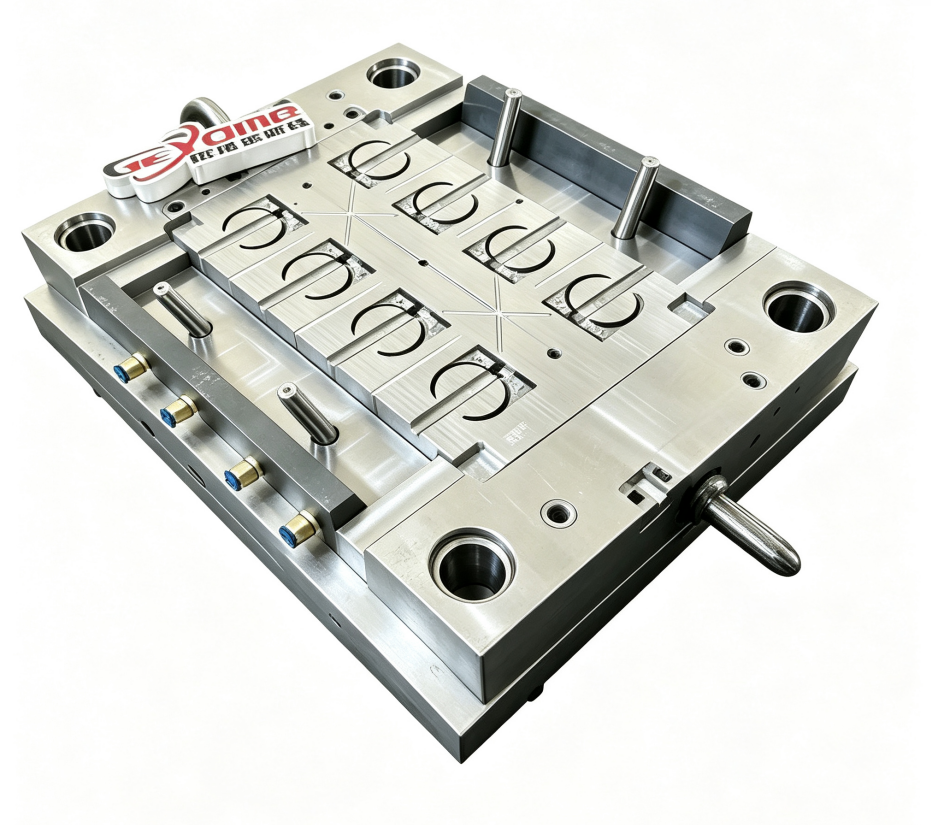
Mold part standardization represents a critical operational strategy for manufacturers seeking to optimize inventory management and reduce production complexity. By implementing consistent specifications across mold components, organizations can dramatically improve their ability to track, organize, and deploy parts efficiently across multiple production lines. Mold part standardization eliminates redundant inventories, minimizes storage costs, and accelerates the speed at which teams can locate and deploy components when needed.
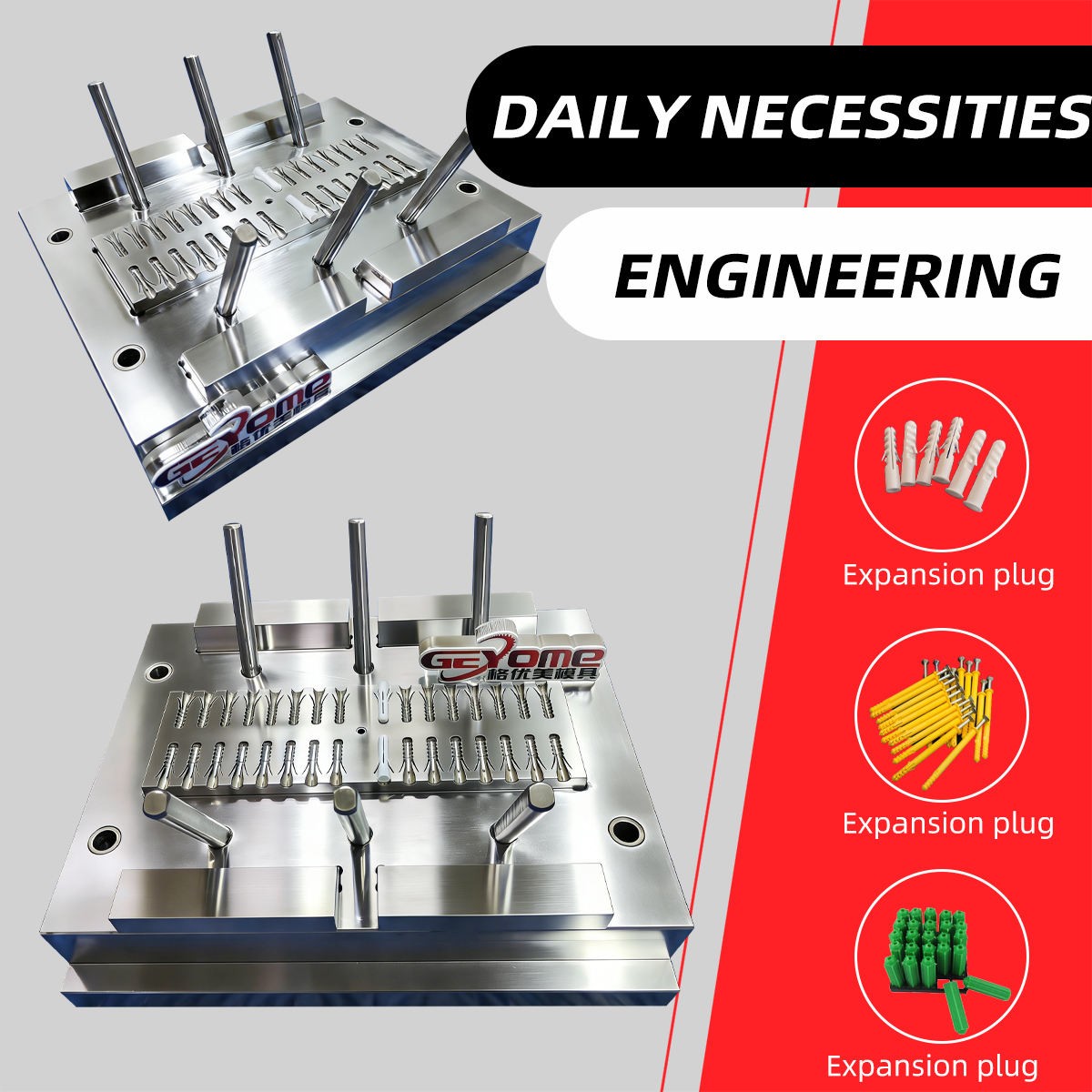
In competitive manufacturing environments, mold part standardization directly impacts operational efficiency, cost control, and production uptime. When mold components follow uniform dimensional, material, and performance standards, inventory systems become more predictable and responsive. This standardization approach extends beyond simple organization—it fundamentally reshapes how manufacturing teams plan procurement, manage stock levels, and respond to production demands.
Understanding Mold Part Standardization in Manufacturing
What Defines Mold Part Standardization
Mold part standardization refers to the process of establishing uniform specifications, dimensions, and material grades for injection mold components used across production facilities. This standardization ensures that critical elements such as cavities, cores, bushings, springs, ejector pins, and guide posts conform to consistent parameters. Mold part standardization enables inventory systems to treat identical components as interchangeable across different molds, eliminating the need to maintain separate stock levels for functionally equivalent parts.
When manufacturers implement mold part standardization, they categorize components into families based on shared characteristics. For example, cylindrical guide posts of identical diameter and length become a single inventory line item rather than separate entries for each mold design. This consolidation transforms inventory from a fragmented collection into a rationalized system aligned with production realities.
Core Benefits of Standardization Strategy
Organizations that embrace mold part standardization experience immediate improvements in inventory turnover rates and working capital efficiency. By reducing the total number of unique part numbers in stock, manufacturers lower carrying costs and minimize waste from obsolete inventory. Mold part standardization also reduces the complexity of inventory forecasting, as demand patterns become more concentrated around standardized components rather than scattered across numerous specialized variants.
The operational benefits extend to procurement and supplier management. When mold part standardization is in place, purchasing teams can negotiate higher-volume contracts with suppliers for standardized components, securing better pricing and more reliable delivery schedules. This volume consolidation strengthens supplier relationships and reduces lead time variability that destabilizes production schedules.
Inventory Management Advantages of Standardized Mold Components
Streamlining Stock Organization and Retrieval
Implementing mold part standardization transforms inventory warehouses from chaotic collections of specialized parts into organized systems with clear part families and locations. With standardized components, warehouse staff can quickly locate required parts without complex decoding or cross-referencing between different mold designs. Mold part standardization enables warehouse management systems to assign logical SKU numbers based on standardized families rather than individual mold requirements.
This organizational clarity directly reduces the time required to fulfill production requests. When injection molding teams need replacement springs, ejector pins, or guide posts, they reference a single inventory code rather than searching through multiple specialized variants. Mold part standardization therefore shortens the procurement cycle and minimizes production delays caused by parts unavailability or misidentification errors.
Reducing Inventory Carrying Costs and Capital Requirements
Mold part standardization significantly decreases the total dollar value of inventory that manufacturers must carry in reserve. By consolidating multiple specialized variants into standardized families, organizations reduce the quantity of each unique component they must stock. This reduction in total inventory units directly translates to lower warehouse space requirements, reduced climate control costs, and decreased insurance expenses.
Capital efficiency improves because mold part standardization allows manufacturers to maintain adequate production readiness with smaller overall inventory investments. Rather than stocking multiple versions of springs or cores to accommodate different mold designs, standardized specifications mean fewer total unique parts require holding costs. This freed capital becomes available for reinvestment in other operational priorities or technology improvements.
Implementation Framework for Mold Part Standardization
Conducting Component Audits and Rationalization
The first step toward achieving mold part standardization involves comprehensively auditing existing inventory to identify redundant or similar components that could be consolidated. Manufacturing teams must analyze current mold designs, document part specifications, and categorize components by functional purpose and dimensional characteristics. Mold part standardization projects typically reveal that manufacturers stock numerous functionally similar parts that differ only in minor specifications or historical design variations.
Effective mold part standardization requires identifying opportunities to redesign existing molds to use standardized components rather than specialized variants. This may involve minor adjustments to mold cavity layouts or cavity depths to accommodate standardized core dimensions. The rationalization process focuses on identifying which standardized specifications would allow the highest percentage of existing mold designs to function effectively without performance compromise.
Defining Standardized Part Families and Specifications
Once audit findings are complete, manufacturing teams must establish clear specifications for each standardized part family. Mold part standardization requires detailed documentation of dimensional tolerances, material grades, hardness specifications, and surface finish requirements for each standardized component family. These specifications must balance the need for manufacturing consistency with the performance requirements of diverse mold applications.
Successful mold part standardization involves cross-functional collaboration between design, manufacturing, and procurement teams. Design engineers must verify that standardized component specifications support required mold performance across intended applications. Manufacturing teams must confirm that standardized specifications are achievable within existing production capabilities. Procurement teams must validate that supplier markets provide competitive options for standardized components at appropriate quality and price levels.
Establishing Implementation Timelines and Training Programs
Deploying mold part standardization across an organization requires structured implementation planning with clear timelines and accountability. Manufacturing teams must establish schedules for phasing standardized components into production as existing inventory of specialized parts is consumed. Mold part standardization implementation typically progresses faster for high-volume components that turn over frequently in inventory.
Successful mold part standardization also depends on comprehensive training for engineering, manufacturing, procurement, and inventory management personnel. Teams must understand how standardized part numbering systems function, which standardized components are available for each application category, and how to incorporate standardized components into new mold designs. Mold part standardization training should include access to standardized component reference materials and decision-support tools that help engineers select appropriate standardized options.
FAQ
How does mold part standardization reduce production downtime?
Mold part standardization reduces downtime by ensuring that replacement components are readily available in inventory and quickly locatable through organized warehouse systems. When standardized components fail or require replacement, production teams can immediately access replacement parts from consolidated inventory rather than waiting for special orders or searching through disorganized stockpiles. This rapid component availability minimizes the time between identifying a parts failure and resuming production operations, directly improving overall equipment effectiveness.
Can mold part standardization work across different injection molding material types?
Yes, mold part standardization can effectively accommodate multiple material types by creating separate standardized component families for each material category or performance requirement level. For example, manufacturers may maintain standardized families for thermoplastic processing molds and separate families for high-temperature engineering plastic applications. Mold part standardization remains valuable even with material diversity because it consolidates components within each material category, delivering significant inventory and cost benefits compared to fully unstandardized approaches.
What resistance might manufacturing teams face when implementing mold part standardization?
Design engineers sometimes resist mold part standardization because standardized component specifications may limit design flexibility for specialized applications or require minor mold design modifications. Overcoming this resistance requires demonstrating that performance and quality remain fully adequate under standardized specifications and that design modifications represent manageable engineering efforts. Strong executive support for mold part standardization initiatives helps teams prioritize standardization benefits over design preference variations, enabling successful organizational adoption and sustained compliance with standardized specifications.