
 EN
EN



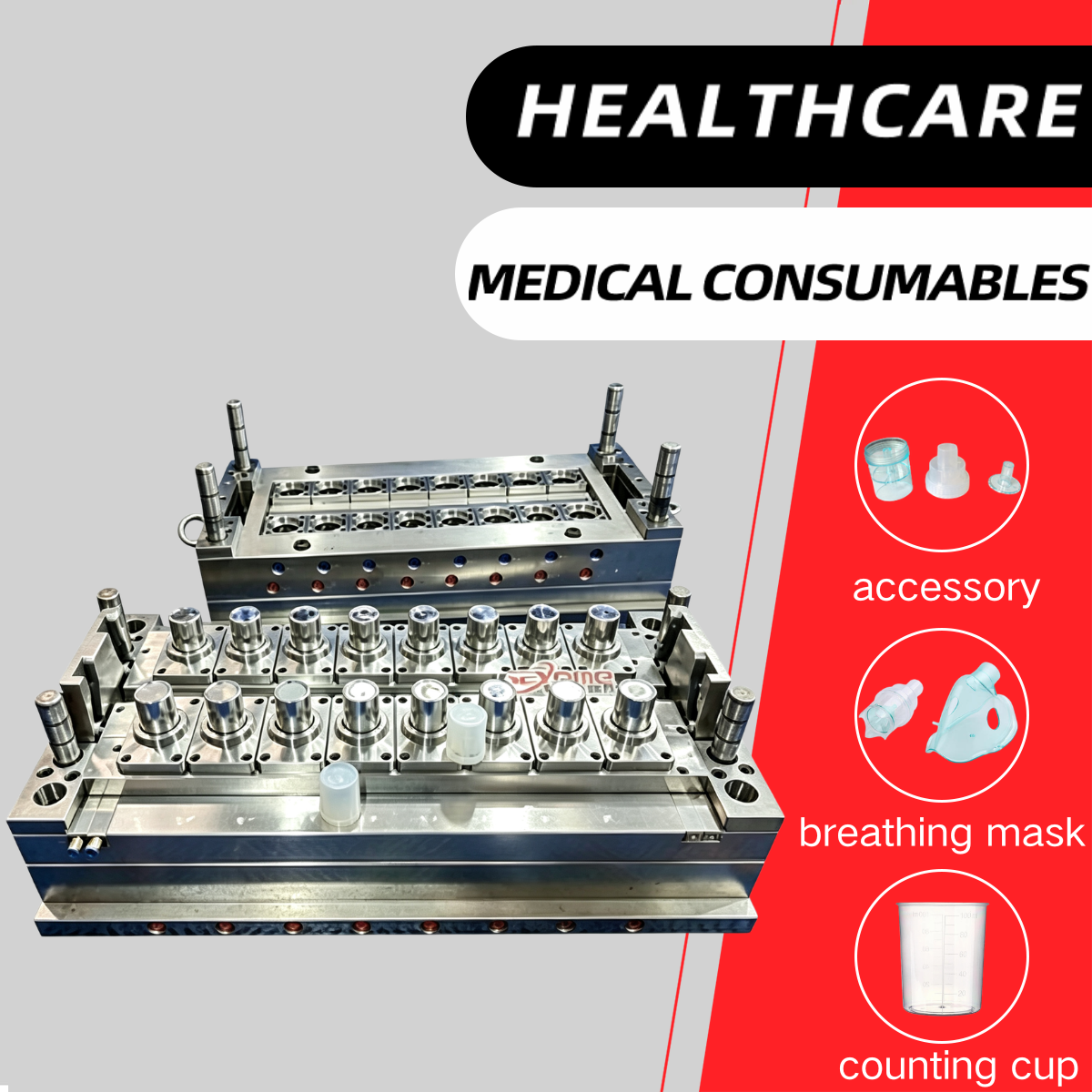
Importing a china mold has become a critical operational decision for manufacturers worldwide seeking cost-effective production solutions. The global manufacturing landscape increasingly depends on sourcing precision tooling from Asia, where specialized expertise and competitive pricing create significant competitive advantages. However, successfully navigating china mold imports requires comprehensive understanding of tariff structures, logistics networks, regulatory frameworks, and supply chain complexities that differ substantially from domestic procurement.
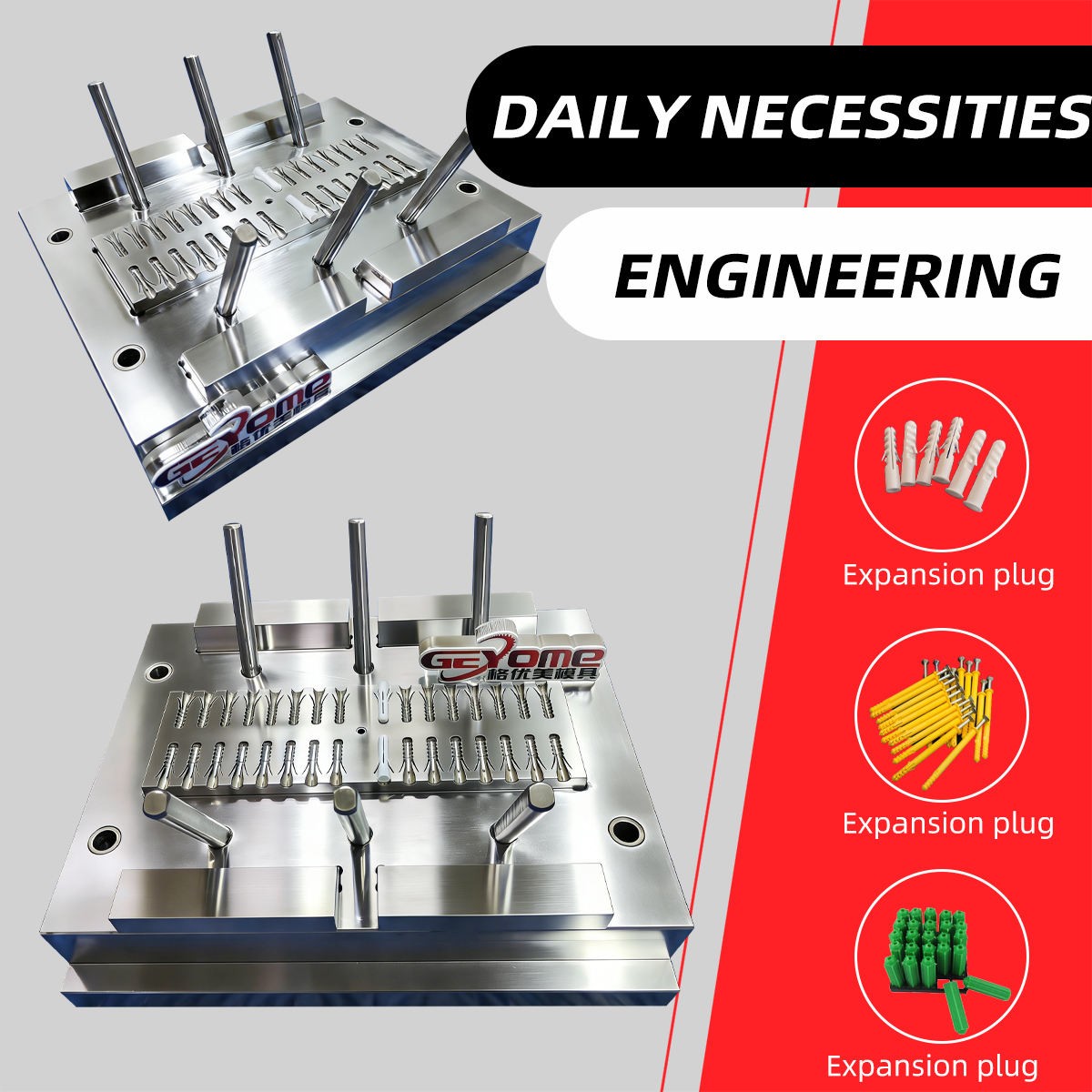
The decision to source a china mold represents more than a simple procurement choice; it fundamentally impacts production timelines, product quality, total landed costs, and supply chain resilience. Understanding the practical mechanics of importing china mold tooling enables manufacturers to unlock substantial savings while mitigating risks associated with international trade, customs compliance, and logistics coordination. This guide provides actionable insights into the complete process of importing china mold equipment, from initial supplier evaluation through final delivery and implementation.
Understanding Tariffs and Trade Classifications for China Mold Imports
Harmonized Tariff Codes and Duty Assessment
When importing a china mold, proper tariff classification proves essential because it directly determines the duty rates and regulatory requirements applied to your shipment. Mold tooling typically falls under specific HS codes such as 8480.50, which classify injection molds and die-casting equipment. The china mold classification process requires accurate technical documentation describing the mold's purpose, material composition, dimensions, and production method. Incorrect classification can result in unexpected duty charges, shipment delays, or customs disputes that significantly increase total import costs.
The duty rate applied to a china mold depends on multiple factors including the country of origin, applicable trade agreements, and the specific classification code assigned by customs authorities. Most china mold shipments destined for North America or Europe benefit from preferential trade arrangements, though rules of origin must be verified with your customs broker. Understanding these tariff mechanics prevents nasty surprises at the port and allows accurate cost forecasting before committing to supplier relationships.
Additional Fees and Hidden Costs
Beyond standard tariffs, importing a china mold incurs several additional fees that manufacturers often underestimate. Value-added taxes, harbor fees, documentation charges, inspection costs, and broker services accumulate quickly and can represent 15-25 percent of the mold's base price. When evaluating china mold suppliers, requesting a complete landed-cost breakdown prevents budget overruns and ensures accurate pricing comparisons between domestic and international sourcing options. Many experienced importers work with freight forwarders who can estimate these costs before shipment, enabling precise financial planning.
Logistics and Shipping Considerations for China Mold Tooling
Transportation Modes and Lead Time Planning
Selecting the appropriate shipping method represents a critical decision when importing china mold equipment, as it affects both cost and delivery timeline. Ocean freight offers the most economical option for most china mold shipments, typically requiring 4-6 weeks from Shanghai or other Chinese ports to major international destinations. Air freight accelerates delivery to 5-7 days but costs significantly more, making it suitable only when production deadlines justify the premium. Experienced manufacturers often negotiate lead times with china mold suppliers during initial contracting, ensuring alignment between tooling delivery and production schedule requirements.
The china mold's size, weight, and special handling requirements influence transportation logistics substantially. Precision molds require specialized packaging, temperature control, and handling procedures to prevent damage during transit. Port selection also matters—shipping a china mold from Shanghai offers different cost and timing implications than sourcing from Shenzhen or Dongguan. Coordinating with your logistics partner on china mold routing ensures smooth customs clearance and prevents unexpected delays that disrupt production schedules.
Customs Documentation and Compliance
Proper documentation proves absolutely essential when importing a china mold, as customs authorities require comprehensive paperwork before releasing shipments. Commercial invoices, packing lists, certificates of origin, material safety data sheets, and technical specifications must all accompany your china mold shipment. Many importers partner with licensed customs brokers who specialize in machinery imports, ensuring compliance with origin verification requirements and tariff classification standards. Incomplete or inaccurate documentation for a china mold creates expensive delays, potential penalties, or shipment rejections at the port.
Quality Assurance and Supplier Selection for China Mold Sourcing
Supplier Vetting and Factory Audits
Selecting the right supplier represents perhaps the most critical decision when considering a china mold import, as quality and reliability vary substantially across manufacturers. Reputable china mold suppliers typically maintain ISO certifications, possess advanced machining capabilities, and demonstrate proven track records through customer references and case studies. Before committing to orders, prudent importers conduct factory audits, review technical specifications, and request sample molds or pilot production runs. When importing a china mold for the first time, many manufacturers budget time and resources for pre-production inspections to ensure specifications match requirements.
Communication clarity proves vital when working with china mold suppliers, as technical specifications, tolerances, material requirements, and delivery schedules must be unambiguously documented. Written contracts protecting both parties establish clear expectations regarding quality standards, testing procedures, acceptance criteria, and dispute resolution mechanisms. Understanding your china mold supplier's production capabilities, equipment capacity, and delivery reliability prevents future complications and ensures consistent performance across multiple import orders.
Quality Control and Testing Protocols
Implementing robust quality control procedures protects your investment when importing a china mold, as defects or specification mismatches discovered after arrival create costly production delays. Many manufacturers specify third-party inspection requirements before shipment, ensuring that china mold dimensions, surface finish, hardness, and functionality meet contractual standards. Pilot production runs using imported china mold tooling reveal potential issues before full-scale manufacturing begins, allowing corrections through supplier communication or alternative sourcing if necessary.
Cost Optimization and Supply Chain Integration
Total Cost Analysis Beyond Initial Price
Evaluating china mold sourcing requires comprehensive total cost analysis extending far beyond the supplier's quotation, as transportation, tariffs, compliance, and quality assurance impact final economics substantially. When comparing a china mold quote to domestic options, accounting for lead times, inventory carrying costs, and production scheduling complexity provides realistic decision frameworks. Strategic importers negotiate pricing, consolidate shipments, and develop long-term relationships with china mold suppliers to achieve volume discounts and preferential terms that improve cost positioning over time.
Supply Chain Resilience and Risk Management
Modern manufacturing increasingly recognizes that sourcing a china mold introduces both opportunities and vulnerabilities requiring deliberate risk management strategies. Diversifying suppliers, maintaining strategic inventory levels, and developing contingency plans protect operations from disruptions caused by production delays, quality issues, or geopolitical factors affecting china mold manufacturing. Building relationships with multiple china mold suppliers across different regions provides flexibility and ensures continuity if primary sourcing partners experience unexpected difficulties.
FAQ
What tariff rate applies to china mold imports?
Most china mold imports classified under HS code 8480.50 face tariff rates between 2-6 percent depending on destination country and applicable trade agreements. The specific rate depends on whether your china mold qualifies for preferential treatment under trade arrangements like USMCA, CPTPP, or EU agreements. Consulting with a customs broker or tariff specialist ensures accurate duty calculations before importing a china mold.
How long does china mold shipping typically take?
Ocean freight for a china mold generally requires 4-6 weeks from major Chinese ports to North America or Europe, while air freight accelerates delivery to approximately one week. The actual timeline for importing a china mold depends on port selection, customs clearance efficiency, and final destination location. Suppliers should provide realistic lead time estimates when quoting china mold tooling to support production planning.
What quality assurance steps should accompany china mold imports?
Best practices for importing a china mold include pre-production factory audits, third-party inspection before shipment, technical specification verification, and pilot production trials upon arrival. These quality assurance measures ensure your china mold meets functional requirements and prevents costly production problems. Many importers build quality verification costs into their china mold budgets as essential insurance against specification mismatches or manufacturing defects.