
 EN
EN


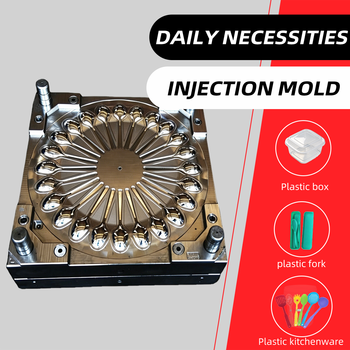
Managing mold price effectively is critical for enterprises executing large-scale manufacturing projects. The cost of custom molds often represents one of the largest capital expenditures in product development, and negotiating favorable terms directly impacts project profitability and timeline execution. Understanding how to strategically approach mold price discussions with suppliers can unlock significant savings without compromising quality or delivery schedules.
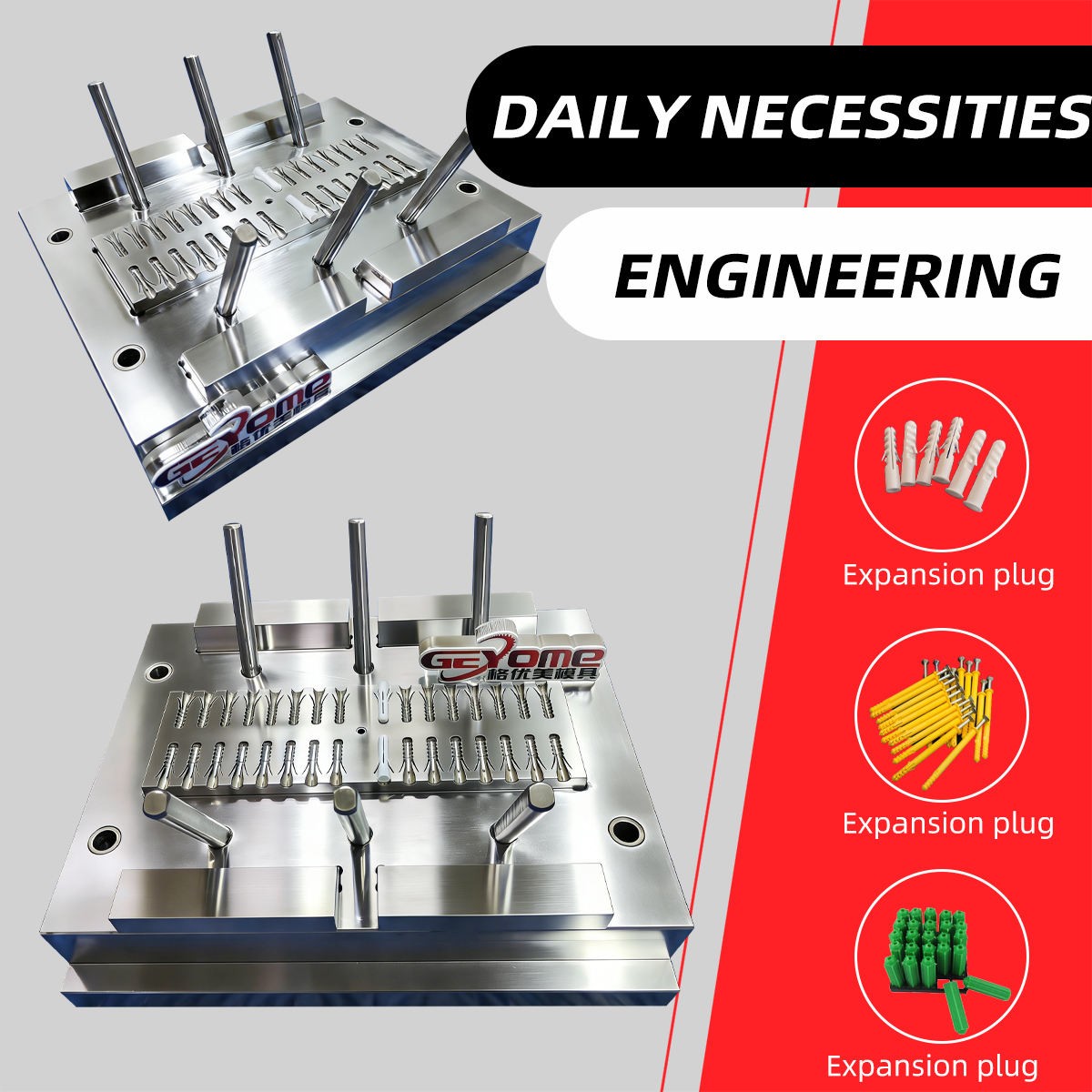
The challenge lies not in simply demanding lower mold price quotes, but in structuring negotiations that align supplier capabilities, production volume commitments, and long-term partnership potential. Large-scale projects present unique leverage opportunities that tactical buyers can translate into better mold price terms. This article explores proven negotiation frameworks, cost analysis methodologies, and supplier relationship strategies that transform mold price discussions into competitive advantages.
Understanding Mold Price Drivers and Cost Components
Core Elements Affecting Mold Price
The mold price for injection molding reflects multiple interrelated cost factors that experienced procurement teams must understand before entering negotiations. Material selection, cavity count, cooling system complexity, surface finishes, and steel grade all directly influence the final mold price quote. Additionally, supplier overhead, facility capabilities, lead time pressures, and production batch sizes create variability in how different vendors structure their mold price proposals.
Understanding the breakdown of mold price components allows buyers to identify genuine cost drivers versus padded contingencies. A detailed mold cost model typically separates design and engineering costs, base material expenses, machining labor, cavity finishing, hot runner systems, cooling channels, assembly, and quality testing. When you comprehend which line items represent genuine operational costs and which carry supplier margins, you gain substantial negotiating leverage in discussions around mold price reduction without triggering quality compromises.
Volume-Based Cost Structures in Mold Price
Large-scale projects create natural economies of scale that should be reflected in competitive mold price offers. Multi-cavity molds, repeat cavity configurations, and standardized cooling designs reduce per-cavity mold price substantially compared to single-cavity or prototype tooling. Suppliers who can consolidate multiple molds using similar core designs or shared manufacturing processes typically offer more favorable mold price terms because their operational efficiency improves.
The relationship between ordered mold quantity and unit mold price creates strategic opportunities for large manufacturers. When you commit to producing five molds with similar specifications rather than negotiating each independently, the aggregate mold price should reflect consolidated purchasing power. Smart procurement teams prepare volume commitments upfront and use them as primary leverage points in mold price negotiations rather than treating each mold as an isolated purchase.
Strategic Negotiation Framework for Mold Price
Pre-Negotiation Preparation and Benchmarking
Successful mold price negotiation begins long before initial supplier contact. Gathering competitive quotes from at least three qualified vendors establishes realistic market benchmarks and prevents accepting inflated mold price proposals. Beyond raw price quotes, you should request detailed cost breakdowns that reveal how each supplier structures their mold price calculation and where their margins concentrate.
Internal technical review of mold price proposals is essential for identifying optimization opportunities. Your engineering team should evaluate whether proposed cavity counts, cooling systems, or material grades are genuinely necessary or represent over-engineering that inflates mold price unnecessarily. Sometimes reducing specifications slightly can deliver meaningful mold price savings while maintaining functional performance. Preparation includes creating your own target mold price baseline based on similar historical projects, adjusted for current material costs and labor markets.
Negotiation Tactics and Leverage Points
Effective mold price negotiation leverages multiple pressure points beyond simple cost reduction demands. Long-term partnership potential, follow-on order commitments, and payment term flexibility can all justify improved mold price terms if positioned correctly during supplier discussions. Presenting a clear business case showing projected annual mold volume and multi-year engagement helps suppliers understand why accepting a lower mold price makes financial sense for sustainable revenue.
Payment terms represent an underutilized negotiation variable in mold price discussions. Suppliers often prefer upfront deposits or accelerated payment schedules because they reduce cash flow uncertainty. Offering extended payment terms or milestone-based payments can justify more aggressive mold price reductions. Additionally, consolidating multiple supplier relationships into fewer qualified vendors gives you stronger mold price negotiating position because suppliers compete harder for larger, more predictable business.
Structuring Terms and Risk Management in Mold Price Agreements
Performance Standards and Quality Assurance Clauses
Tying mold price agreements to specific performance metrics protects your investment while justifying aggressive cost reduction targets. Price escalation clauses tied to defect rates ensure that accepting lower mold price quotes doesn't result in quality degradation that becomes expensive during production. Building mold performance guarantees into contracts alongside the mold price creates mutual accountability and demonstrates why you're willing to accept competitive terms.
Requesting documented first-article inspection reports and cavity pressure monitoring data before final mold price payment protects against accepting incomplete work. Structuring the mold price as a tiered payment schedule with final release contingent on meeting specified performance benchmarks incentivizes supplier quality without appearing to reduce overall mold price unfairly. This approach transforms mold price negotiations from pure cost reduction into comprehensive value creation discussions.
Lead Time and Delivery Risk Mitigation
Aggressive mold price cuts sometimes create pressure on delivery schedules, making timeline protection essential in contract language. Building penalty clauses that apply to late mold price acceptance creates mutual commitment to schedules without requiring expensive expediting fees. Experienced procurement professionals structure contracts so the mold price adjustment reflects realistic production timelines rather than allowing compressed schedules to inflate final costs.
Large-scale projects often benefit from phased mold delivery where first cavities arrive for production trials while additional cavities are completed. This approach reduces absolute mold price pressure by spreading deliverables across multiple milestones, each with proportional payment schedules. The total mold price may remain competitive while supplier workload distributes more realistically across their production calendar.
FAQ
What factors have the largest impact on mold price for injection molded parts?
Cavity count, material grade, cooling system complexity, and surface finish specifications drive the majority of variation in mold price quotes. Projects requiring 16-cavity molds cost substantially more than single-cavity versions, and hot runner systems add significant mold price premiums compared to cold runner designs. Steel grade selection and tolerances specified in your engineering drawings also influence mold price substantially, as tighter specifications require more machining time and precision tooling.
How can we reduce mold price without sacrificing part quality?
Standardizing mold designs across multiple part variants, consolidating cavity counts to practical maximums, and optimizing cooling channel layouts can achieve meaningful mold price reduction without quality compromise. Working with suppliers to identify over-engineered specifications, adjusting tolerances where functional performance allows, and selecting appropriate steel grades instead of premium options typically yields mold price savings of 10-25%. Additionally, committing to volume purchases and longer supplier partnerships justifies better mold price terms that reflect economies of scale.
Should we prioritize lowest mold price or supplier reliability for large projects?
Balancing mold price competitiveness with supplier capability and reliability is essential for large-scale projects where mold failures create cascading production delays. The lowest mold price quote isn't worthwhile if the supplier lacks capacity, quality controls, or communication discipline needed for your timeline. Strategic procurement typically targets top-tier suppliers within a reasonable mold price range rather than pursuing absolute lowest cost, because the true value calculation includes delivery certainty, design collaboration, and post-delivery support that experienced suppliers provide.