
 EN
EN



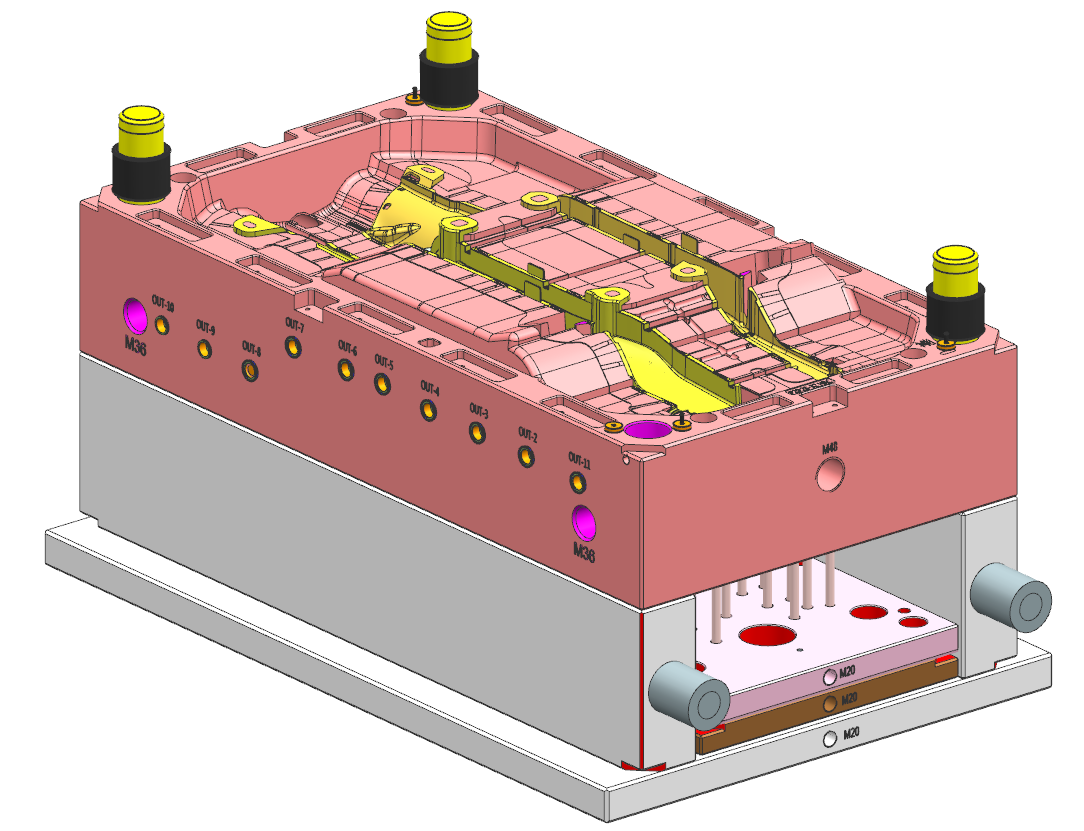
Selecting and verifying a qualified mold manufacturer requires thorough due diligence, especially when medical devices are involved. The process to certify a mold manufacturer for medical compliance goes far beyond checking credentials on a website. It involves systematic evaluation of manufacturing processes, quality management systems, regulatory understanding, and documented proof that the facility meets stringent medical industry standards. This article walks through the essential steps and verification points required to ensure your mold manufacturer can reliably produce components for regulated medical applications.
Medical device manufacturers face significant liability and regulatory risk if they work with unqualified molders. The FDA, ISO standards bodies, and international medical device regulations demand that every component supplier demonstrate control over their processes, traceability of materials, and commitment to continuous improvement. Before you certify a mold manufacturer for medical compliance, you need to understand what certifications they should hold, what documentation they must provide, and how to audit their quality systems effectively.
Understanding Regulatory Requirements for Medical Mold Manufacturers
FDA and Medical Device Regulations
To properly certify a mold manufacturer for medical compliance, you must first understand the regulatory landscape. The FDA requires that manufacturers of medical devices and their component suppliers follow Current Good Manufacturing Practice, or cGMP, guidelines outlined in 21 CFR Part 11 and related sections. These regulations cover everything from raw material handling to final product release and traceability. A mold manufacturer working on medical plastics must demonstrate that their facility operates under a documented quality management system that aligns with these FDA expectations, even if the mold manufacturer does not directly produce the finished device.
ISO 13485 and Quality Management Systems
The foundation for most efforts to certify a mold manufacturer for medical compliance begins with ISO 13485 certification. This international standard specifies requirements for a quality management system specific to medical device manufacturers. Your chosen mold manufacturer should hold current ISO 13485 accreditation, verified through an accredited third-party notified body. During your verification process to certify a mold manufacturer for medical compliance, request a copy of their ISO 13485 certificate, review the certificate holder name and scope, and confirm the accreditation body's legitimacy through online registries. ISO 13485 covers design control, risk management, process validation, supplier management, and complaint handling, all of which directly impact mold quality and consistency.
Conducting a Comprehensive Supplier Audit
On-Site Facility Assessment
When you certify a mold manufacturer for medical compliance, an on-site audit is often the most revealing step. Plan a visit to the mold manufacturer's facility to observe their processes firsthand. Evaluate cleanliness and contamination control, especially if the mold manufacturer handles medical plastics. Check for evidence of environmental monitoring, personnel training records, and documented standard operating procedures. Request to see a sample batch traceability record from your mold manufacturer to confirm they can track raw materials back to certificates of analysis and forward to specific mold components. Pay special attention to how the mold manufacturer handles material storage, temperature control, and security of finished molds. A well-organized mold manufacturer will readily provide access and documentation; any resistance should raise concerns.
Design Control and Change Management
When you certify a mold manufacturer for medical compliance, verify that the mold manufacturer maintains design control protocols. Ask the mold manufacturer to describe their process for receiving design specifications, validating tool designs, and managing engineering changes. The mold manufacturer should have documented design reviews, design verification activities, and design validation steps before releasing a new mold. Request examples of design change records to confirm the mold manufacturer logs all modifications, captures technical justification, and tracks approval signatures. A mature mold manufacturer will demonstrate that their design control process includes stakeholder sign-off, risk assessment, and impact analysis on existing components. This level of documented discipline is what separates a compliant mold manufacturer from one operating ad hoc.
Verifying Documentation and Ongoing Compliance
Quality Records and Traceability Systems
To fully certify a mold manufacturer for medical compliance, evaluate their documentation systems. The mold manufacturer should maintain batch records, test reports, and material certificates for every production run. When you certify a mold manufacturer for medical compliance, confirm that the mold manufacturer uses a system capable of linking each finished mold to its raw materials, manufacturing parameters, quality checks, and calibration records. Request a sample production file to see how the mold manufacturer documents dimensional inspections, surface finish verification, and functional performance tests. The mold manufacturer's record retention policy must align with regulatory requirements, typically seven years or the mold's service life, whichever is longer. A compliant mold manufacturer invests in Enterprise Resource Planning or similar systems to ensure this traceability is automatic, not manual.
Equipment Calibration and Process Validation
Part of your effort to certify a mold manufacturer for medical compliance involves confirming their equipment is properly maintained and validated. Ask the mold manufacturer for calibration certificates for all measurement equipment, injection molding machines, and test instruments. The mold manufacturer should operate under a preventive maintenance schedule with documented evidence. Request the mold manufacturer's validation reports for critical injection molding processes, thermal cycling performance, and dimensional consistency. Process validation demonstrates that the mold manufacturer can consistently produce components within specification across multiple production runs. A credible mold manufacturer will provide statistical data showing process capability indices, often expressed as Cpk values, proving their processes reliably meet required tolerances. This validation data is essential when you certify a mold manufacturer for medical compliance.
Supplier and Material Control
When you certify a mold manufacturer for medical compliance, examine their supplier management practices. The mold manufacturer must qualify and monitor all resin suppliers, additives vendors, and secondary service providers. Request the mold manufacturer's approved supplier list and their qualification criteria. Ask how the mold manufacturer verifies that incoming materials meet specifications, whether the mold manufacturer conducts incoming inspections, and how the mold manufacturer handles non-conforming material. The mold manufacturer should maintain documentation of supplier audits, corrective actions raised with suppliers, and periodic re-qualification activities. A compliant mold manufacturer recognizes that their quality is only as strong as their weakest upstream supplier, so they actively manage supplier relationships to certify a mold manufacturer for medical compliance extends through their entire supply chain.
FAQ
What certifications must a mold manufacturer have to work with medical devices?
A mold manufacturer should hold ISO 13485 certification as the baseline requirement. Additionally, the mold manufacturer may pursue certifications such as ISO 9001 for quality management, ISO 14644 for cleanroom standards if handling sensitive materials, and potentially FDA establishment registration if they work directly in certain device categories. When you certify a mold manufacturer for medical compliance, ISO 13485 is typically the primary verification point because it is specific to medical device quality systems.
How often should you re-audit a mold manufacturer after initial certification?
Industry best practice is to conduct a comprehensive re-audit of a mold manufacturer every two to three years, with focused follow-up audits annually. More frequent monitoring is warranted if a mold manufacturer has had quality issues, introduces new product lines, or experiences significant process changes. When you certify a mold manufacturer for medical compliance, establish an audit schedule upfront and document the audit plan in your supplier management procedures to maintain ongoing compliance verification.
Can a mold manufacturer be compliant without ISO 13485?
While ISO 13485 is the industry standard, a mold manufacturer without this formal certification may still demonstrate medical compliance through alternative means, such as FDA audit readiness or equivalent internal systems. However, without ISO 13485, you certify a mold manufacturer for medical compliance with significantly higher risk and must conduct more extensive documentation review and validation activities. Most medical device companies prefer to work with ISO 13485-certified suppliers to reduce audit burden and ensure consistent quality standards.