
 EN
EN


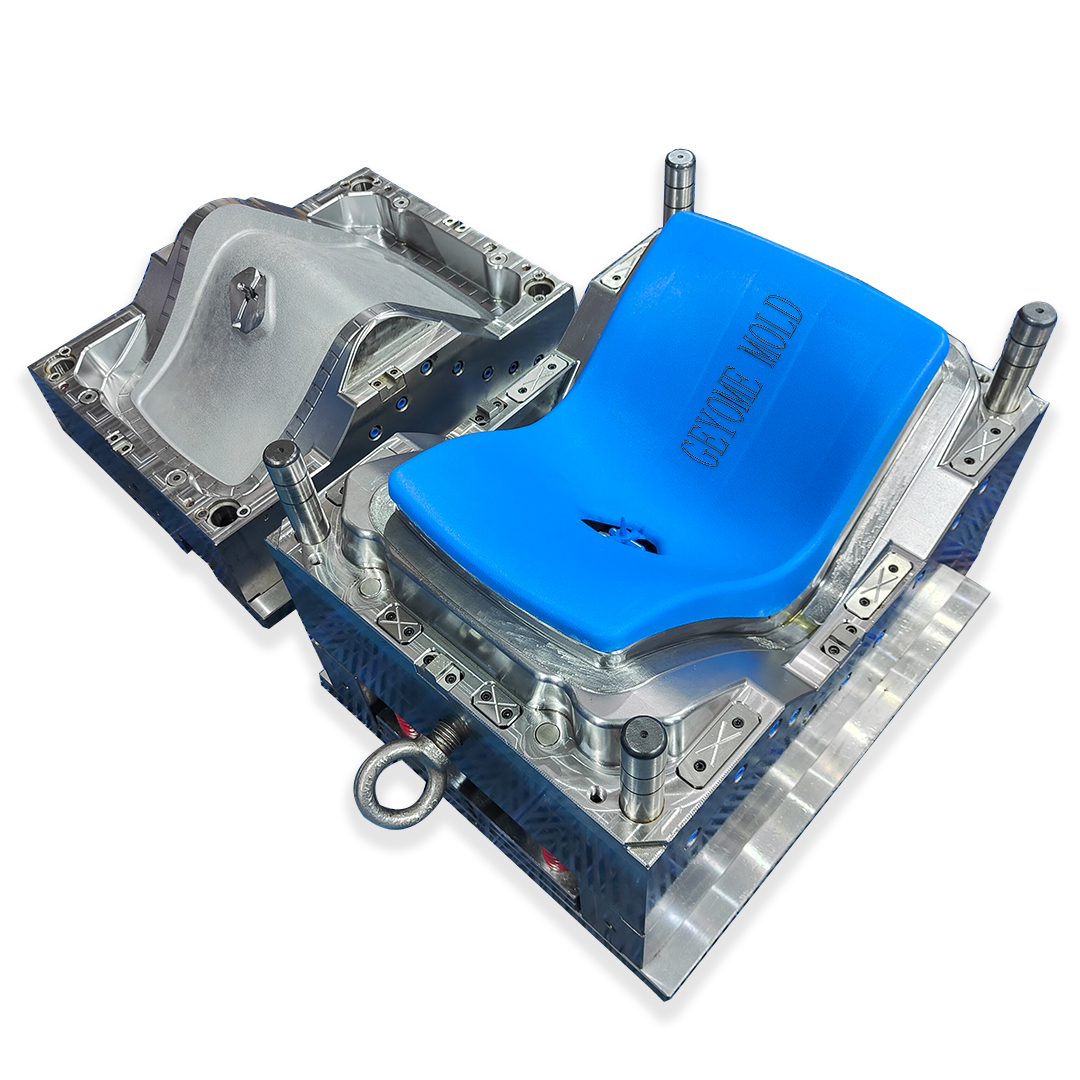
Injection tooling represents one of the most critical investments in modern manufacturing, enabling businesses to produce high-volume plastic components with exceptional precision and consistency. Whether you're launching a new product line or optimizing existing production, understanding injection tooling fundamentals directly impacts your competitive advantage, production costs, and time-to-market. Mastering injection tooling requires knowledge of design principles, material selection, manufacturing processes, and quality control standards that separate industry leaders from average producers.
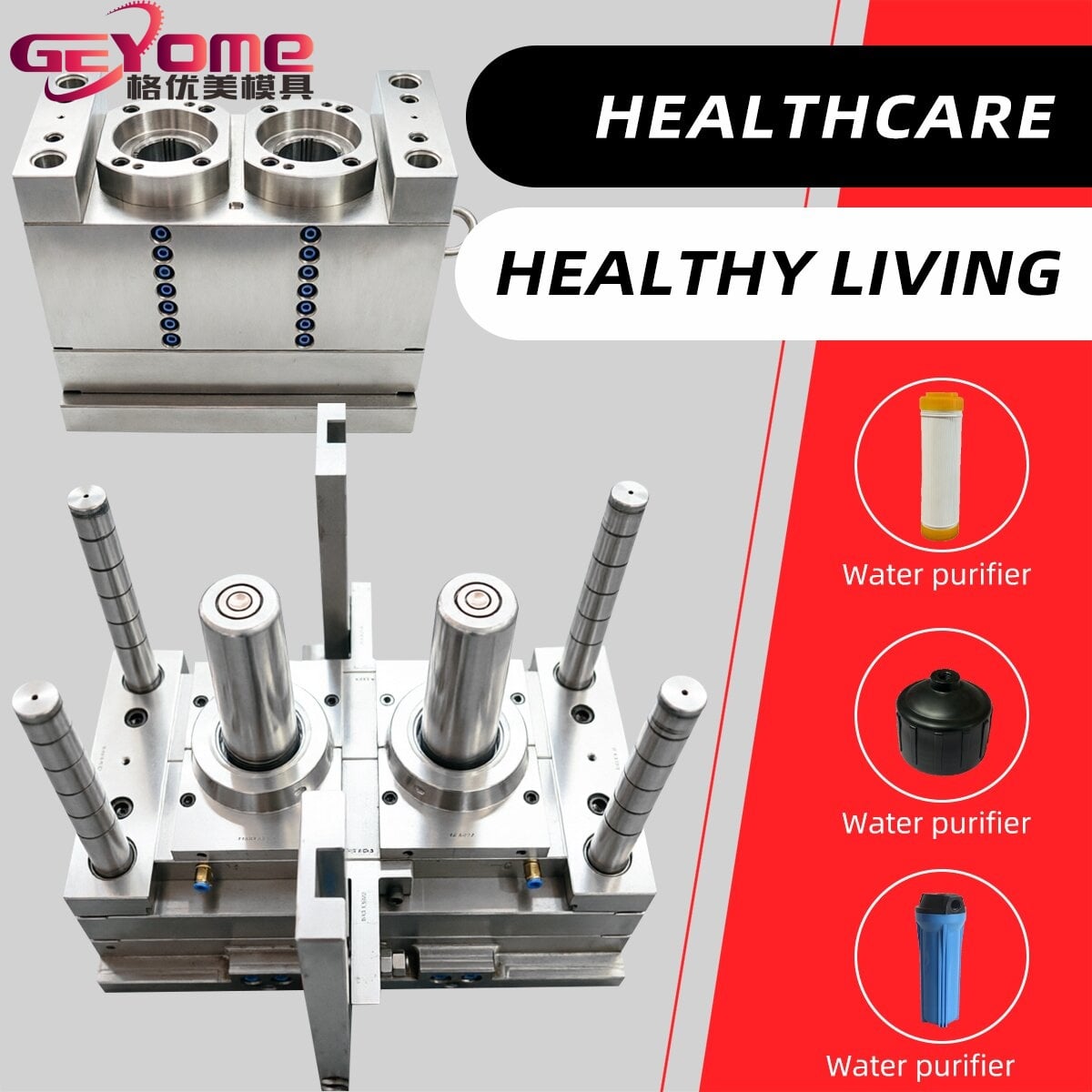
The journey to mastering injection tooling begins with recognizing that every detail matters, from cavity layout to cooling channel configuration. Professional manufacturers understand that injection tooling success depends on systematic planning, material science knowledge, and continuous process refinement. This comprehensive guide walks you through each essential stage of injection tooling development, providing actionable insights that transform conceptual designs into production-ready molds capable of delivering consistent quality and meeting demanding business targets.
Foundational Design Principles for Injection Tooling
Understanding Core Injection Tooling Concepts
Injection tooling design begins with understanding how plastic flows, cools, and solidifies within a mold cavity. The foundation of effective injection tooling relies on gating strategy, which determines how molten plastic enters the cavity and affects final part quality. Well-designed injection tooling incorporates multiple gates in complex components, balanced runner systems that equalize pressure distribution, and calculated wall thickness that promotes uniform cooling. Engineers specializing in injection tooling must account for shrinkage rates, material-specific flow characteristics, and dimensional tolerances that the final application demands. The core principle underlying all injection tooling design is that mold geometry directly controls the mechanical properties, surface finish, and dimensional accuracy of every single molded part.
Material Selection and Injection Tooling Performance
Selecting appropriate mold materials represents a critical injection tooling decision that influences tool lifespan, production capacity, and part quality. Steel grades used in injection tooling range from hardened tool steels capable of millions of cycles to softer aluminum alternatives suitable for prototype runs or short-production volumes. Injection tooling professionals must balance material hardness, thermal conductivity, corrosion resistance, and machining complexity against project budgets and production forecasts. Beryllium copper inserts within injection tooling cavities dramatically improve cooling efficiency, reducing cycle times and enabling faster production schedules. The relationship between mold material selection and injection tooling performance is direct: harder, thermally superior materials in injection tooling enable higher production speeds, tighter tolerances, and extended tool life before maintenance becomes necessary.
Manufacturing Process Workflow and Injection Tooling Execution
Computer-Aided Design and Injection Tooling Simulation
Modern injection tooling development relies heavily on advanced CAD software and simulation technologies that predict mold behavior before physical manufacturing begins. Injection tooling simulation identifies potential defects like short shots, sink marks, warping, and weld lines that would otherwise require expensive prototype iterations. Thermal analysis within injection tooling software reveals hot spots where cooling channels need refinement, allowing engineers to optimize cycle times before machining commences. Flow analysis specific to injection tooling validates that gate locations and runner sizes maintain adequate pressure throughout the filling process. Quality injection tooling professionals use simulation data to establish baseline parameters for injection molding machine operators, significantly reducing setup time and scrap rates during production launch. This digital approach to injection tooling transforms uncertainty into predictability, making the manufacturing process more efficient and reliable.
Precision Machining and Cavity Development
Executing injection tooling designs requires sophisticated machining equipment capable of achieving micro-tolerances and complex geometries that modern applications demand. CNC machining, electric discharge machining (EDM), and high-speed cutting technologies form the backbone of professional injection tooling manufacturing. Injection tooling cavities must maintain dimensional accuracy within fractions of a millimeter, requiring skilled programmers and carefully maintained machinery. Surface finish quality in injection tooling directly affects aesthetic appeal and functional performance of molded parts; polished injection tooling surfaces produce superior finishes and release molded components more cleanly. Tool path optimization during injection tooling machining reduces production time and extends tool life, making the manufacturing process cost-effective for both small pilot runs and high-volume production. Expert injection tooling shops maintain strict environmental controls, regular maintenance schedules, and rigorous quality verification throughout machining operations to guarantee specifications are met consistently.
Quality Assurance and Optimizing Injection Tooling Performance
Dimensional Verification and Injection Tooling Testing
Comprehensive dimensional verification represents a non-negotiable stage in injection tooling quality assurance, ensuring that molds produce parts meeting customer specifications from the first production run. Coordinate measuring machines (CMM), laser scanners, and optical systems provide precise documentation of injection tooling cavity dimensions against original design parameters. Injection tooling professionals conduct first-article inspection protocols, producing test parts under controlled conditions that validate gate design, cooling effectiveness, and pressure distribution assumptions. Dimensional data collected during injection tooling validation identifies any deviations requiring adjustment before full production deployment. These testing procedures within injection tooling quality systems prevent costly field failures, customer returns, and reputation damage that result from poorly validated molds. Early detection of injection tooling defects during acceptance testing costs significantly less than discovering problems after thousands of parts have entered the supply chain.
Process Optimization and Injection Tooling Longevity
Maximizing injection tooling return on investment requires systematic optimization of molding parameters, cooling strategies, and maintenance protocols that extend productive tool life. Production floor operators work with process engineers to fine-tune injection pressure, mold temperature, cooling time, and cycle duration using data collected from injection tooling sensors and part measurements. Injection tooling performance monitoring systems track cavity-by-cavity production metrics, identifying when individual cavities need remedial work or replacement. Strategic maintenance of injection tooling includes periodic cleaning, cooling channel flushing, core replacement, and cavity touch-up that prevent progressive deterioration. Injection tooling lifespan typically extends across millions of cycles when facilities implement disciplined maintenance schedules and operator training programs. Companies that treat injection tooling as strategic manufacturing assets rather than disposable tools achieve superior unit economics, more reliable quality, and stronger competitive positioning in their markets.
FAQ
What factors most influence injection tooling cost and lead time?
Injection tooling complexity, part geometry, cavity count, material selection, and required surface finishes represent the primary cost drivers. Lead times typically range from four to twelve weeks depending on injection tooling intricacy and current shop capacity. Components with straightforward geometries and fewer cavities reduce injection tooling expenses and accelerate delivery, while highly detailed parts with tight tolerances or cosmetic requirements extend both cost and schedule. Prototype injection tooling used for pilot production may employ softer aluminum to reduce costs, while production injection tooling generally utilizes steel to manage high-volume cycle requirements. Early design consultation with injection tooling experts can identify cost-reduction opportunities without compromising part quality.
How does cooling system design within injection tooling affect production efficiency?
Cooling system design represents one of the most impactful injection tooling variables influencing cycle time, part quality, and production volume. Properly engineered cooling channels within injection tooling reduce cycle time by thirty to fifty percent compared to inadequately cooled designs, directly multiplying production capacity. Injection tooling with optimized cooling systems maintains more uniform mold temperatures, reducing thermal stress that leads to mold failure and cavity distortion. Beryllium copper inserts positioned strategically within injection tooling cooling circuits enhance thermal conductivity, enabling faster heat removal and faster cycle completion. Advanced injection tooling often incorporates temperature control units that maintain precise mold temperatures throughout the production day, ensuring consistent part dimensions and surface quality from first molded part to last.
When should companies invest in new injection tooling versus maintaining existing tools?
Decisions between retiring existing injection tooling and investing in replacement molds depend on current tool condition, projected production volumes, and market demand duration. When injection tooling requires increasingly frequent repairs, produces higher scrap rates, or cannot maintain dimensional tolerances within customer specifications, replacement becomes economically justified. Injection tooling technology improvements and material advances may justify new investment if they significantly reduce cycle times or enable production of improved part designs. If production volume forecasts exceed existing injection tooling capacity, adding new cavities or additional injection tooling expands output without disrupting ongoing production. Facilities should document injection tooling performance metrics systematically, enabling data-driven decisions that balance maintenance investment against replacement economics over the full tool lifecycle.