
 EN



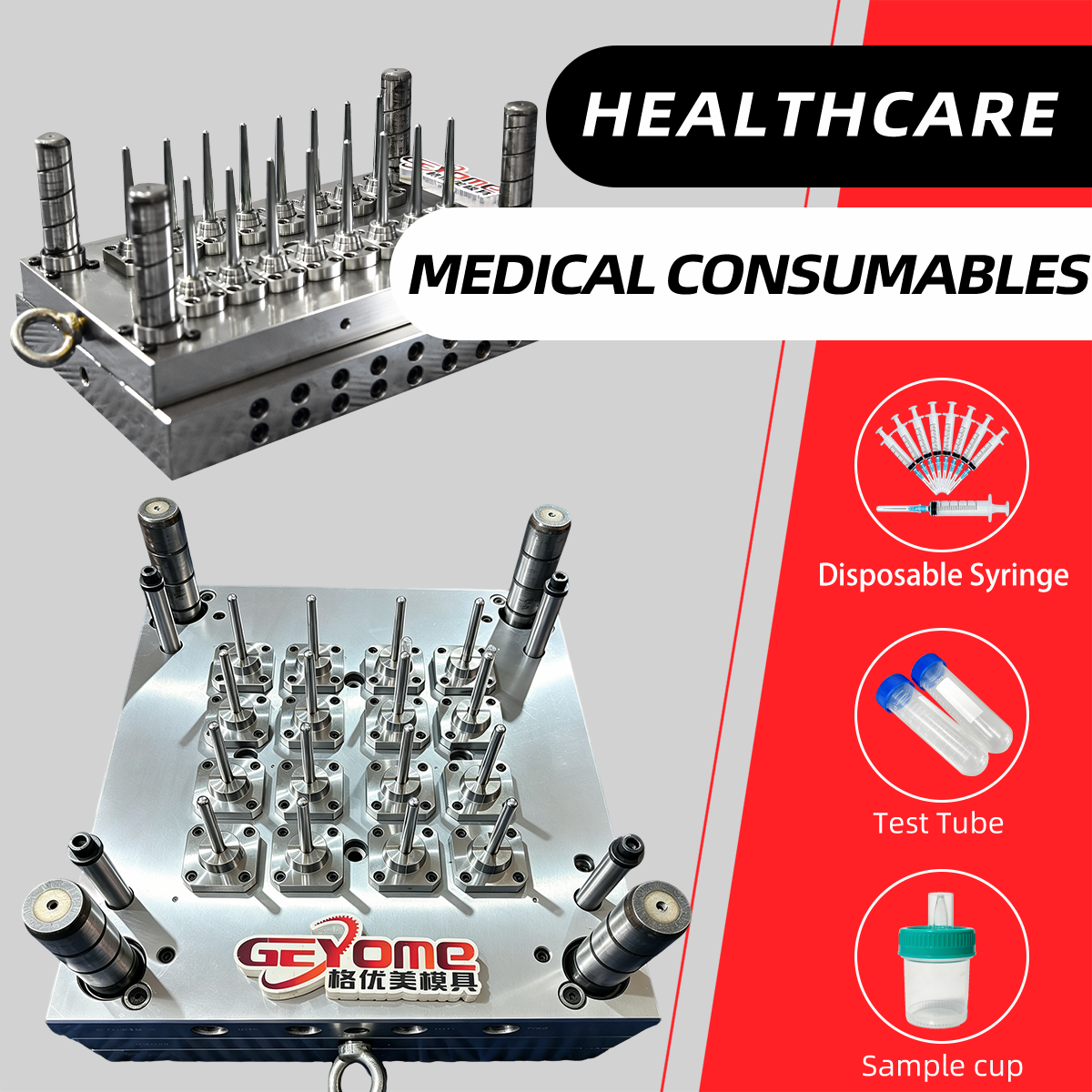
Choosing between a custom mold and a standard mold represents one of the most critical decisions OEMs face when scaling production. A custom mold is purpose-built to your exact specifications, while a standard mold comes off-the-shelf with predetermined dimensions and features. This choice directly impacts product quality, production timelines, tooling costs, and overall manufacturing competitiveness. Understanding the trade-offs between these two approaches allows manufacturers to align their molding strategy with business objectives, market demands, and financial constraints.
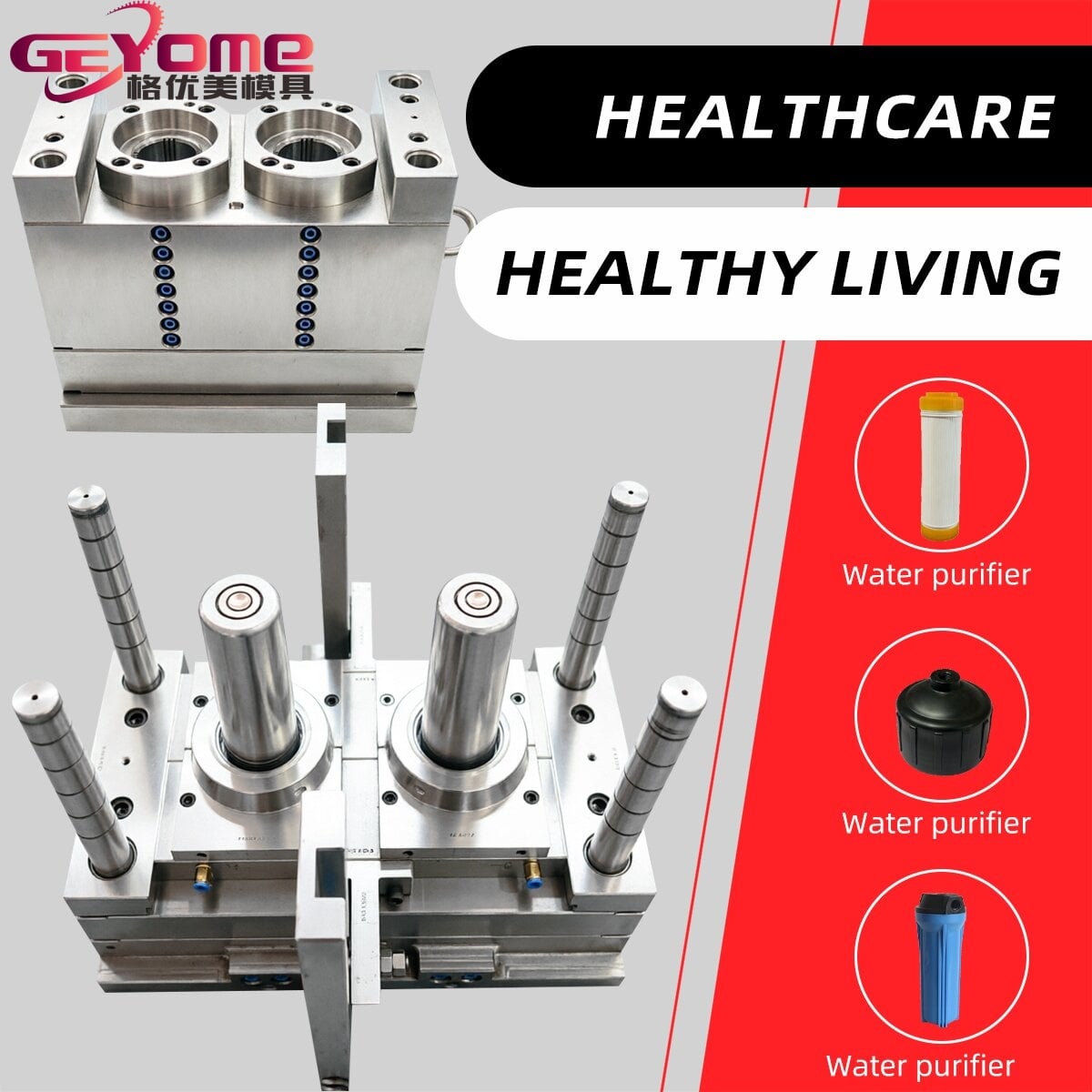
For OEMs navigating injection molding decisions, the distinction between custom mold solutions and standard alternatives shapes product differentiation, time-to-market, and manufacturing economics. Both approaches have legitimate applications in modern industrial production, but their suitability depends on your product specifications, production volume, timeline requirements, and budget structure.
Understanding Custom Mold Design and Benefits
Precision and Product Differentiation
A custom mold delivers unparalleled precision because it is engineered exclusively for your product geometry. This means every cavity, gate, and cooling channel aligns perfectly with your design intent. When you invest in a custom mold, you gain the ability to incorporate advanced features—complex geometries, thin walls, intricate details—that standard molds cannot accommodate. This precision translates to superior product quality, reduced scrap rates, and stronger competitive positioning in markets demanding tight tolerances and unique form factors.
Long-Term Cost Economics and Scalability
Although a custom mold requires higher upfront capital, the per-unit production cost declines dramatically as volume increases. For OEMs committing to sustained high-volume production, custom mold investment becomes economically justified within 6 to 18 months. The custom mold design also allows manufacturers to optimize material flow, reduce cycle times, and enhance part consistency across millions of cycles. This scalability advantage means custom mold projects typically offer better profitability and competitive sustainability over the product lifecycle.
Standard Mold Advantages and Real-World Constraints
Speed-to-Market and Lower Initial Investment
Standard molds accelerate product launches because they eliminate the 8 to 16-week engineering and fabrication window. Manufacturers can begin production within days or weeks, allowing faster market entry and quicker revenue generation. The reduced tooling cost—often one-third to one-half that of a custom mold—makes standard solutions accessible to startups, low-volume producers, and companies testing new market segments. This financial flexibility enables resource allocation to other business priorities like sales, distribution, or product iteration based on actual customer feedback.
Design Constraints and Quality Limitations
Standard molds sacrifice customization for speed and affordability. Your product geometry must adapt to the mold's existing cavity design, potentially compromising your original specification. Wall thicknesses, draft angles, and feature complexity remain fixed by the standard mold manufacturer. These constraints often require design compromises that weaken product differentiation or increase production defects. For OEMs in competitive markets where product uniqueness drives customer value, these limitations can undermine brand positioning and long-term growth strategy.
Decision Framework for OEM Manufacturers
Volume Projections and Break-Even Analysis
The decision between custom mold and standard mold hinges directly on volume forecasts. If your market research projects 500,000 units annually, a custom mold investment typically yields superior economics. If your volume remains under 100,000 units per year, standard molds often provide better return on capital. OEMs should conduct rigorous break-even analysis comparing total cost of ownership—including tooling amortization, per-unit production costs, scrap rates, and quality-related warranty expenses—across five-year horizons. This analysis reveals the true financial inflection point specific to your product, material, and production facility.
Product Lifecycle and Market Strategy Alignment
Strategic considerations extend beyond short-term cost. If your product enters a mature market with stable demand, a custom mold represents a justified long-term investment. If you are testing market viability or expect rapid design iterations driven by customer feedback, standard mold flexibility preserves capital and enables faster pivots. Conversely, if your market demands proprietary features or aesthetic differentiation, a custom mold protects intellectual property and creates defensible competitive advantages. OEMs must evaluate whether their market position benefits from speed, cost minimization, or product uniqueness before committing to either pathway.
FAQ
What is the typical cost difference between custom mold and standard mold solutions?
A standard mold typically costs between $5,000 and $20,000, while a custom mold ranges from $30,000 to $150,000 or higher depending on complexity, cavity count, and material. The initial investment gap appears substantial, but OEMs must evaluate cost per unit across production volumes. For high-volume production, the lower per-unit cost of custom mold manufacturing often delivers superior lifetime economics compared to standard mold options.
How long does it take to produce a custom mold versus obtaining a standard mold?
A standard mold can typically be obtained within 2 to 4 weeks, enabling rapid production startup. A custom mold requires 10 to 16 weeks for design, fabrication, testing, and validation before production begins. This timeline difference is critical for OEMs facing tight market-entry windows or seasonal demand peaks. However, the custom mold often delivers faster production cycles once manufacturing starts, offsetting initial timeline disadvantages for ongoing high-volume commitments.
Can a standard mold be modified to match custom mold specifications?
Limited modifications are possible, but comprehensive redesign of a standard mold defeats its cost and speed advantages. Minor adjustments—gate repositioning or surface finishes—may be feasible, yet major geometry changes typically require custom mold tooling. OEMs considering standard mold routes should verify dimensional and feature compatibility early to avoid costly mid-production rework or transition to custom mold solutions.