
 EN


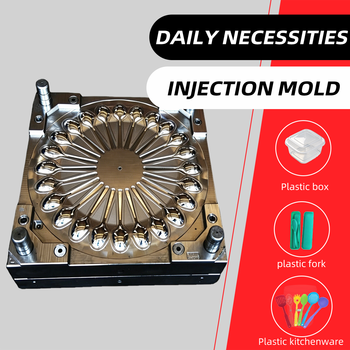
Maintaining injection tooling is fundamental to achieving consistent part quality and maximizing the return on investment in your molding operations. Without proper maintenance protocols, even high-precision injection tooling degrades over time, leading to dimensional drift, surface defects, and increased scrap rates. The correlation between systematic maintenance and part quality is direct and measurable, making tooling care an essential operational priority rather than an optional task.
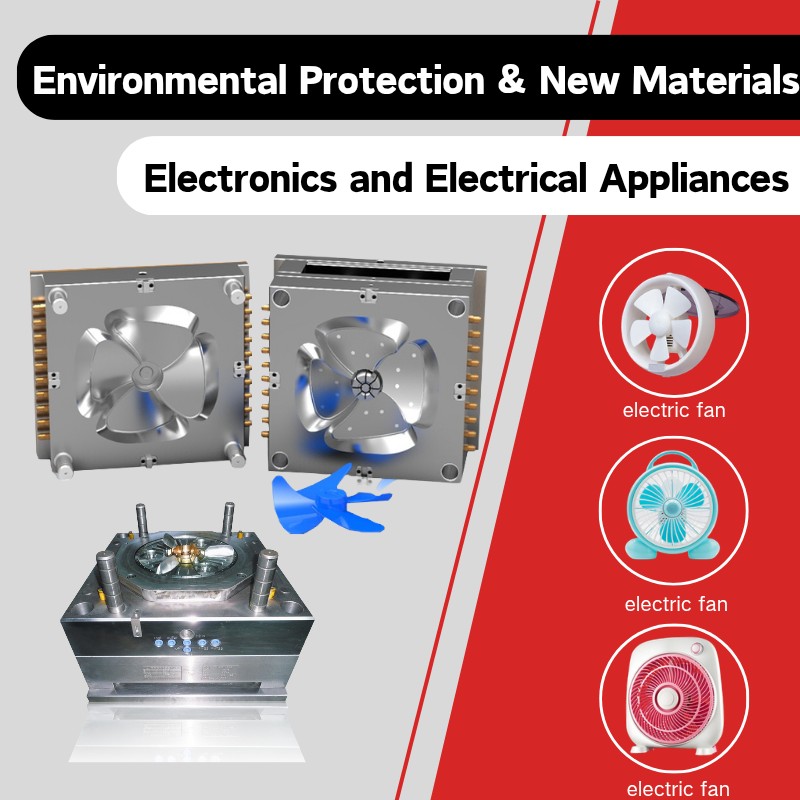
A comprehensive maintenance strategy for injection tooling encompasses preventive measures, regular inspections, cleaning protocols, and timely repairs. Manufacturing facilities that implement structured maintenance programs experience fewer mold failures, lower production interruptions, and sustained dimensional accuracy across production runs. Understanding the specific demands placed on injection tooling during high-volume production helps identify which maintenance activities deliver the greatest impact on part quality and tool longevity.
Core Maintenance Practices for Injection Tooling
Establishing a Preventive Maintenance Schedule
Preventive maintenance for injection tooling follows a time-based and cycle-based approach. Rather than waiting for visible problems to emerge, scheduled inspections at regular intervals catch wear patterns early. Most manufacturers benefit from inspecting injection tooling after every 5,000 to 10,000 cycles, depending on material type, mold complexity, and part specifications. This frequency ensures that minor issues receive attention before they compromise part quality or cause unexpected shutdowns.
Documentation of maintenance activities creates a valuable baseline for understanding your specific injection tooling behavior. Recording temperature data, cycle times, material batches, and any anomalies observed during production helps identify emerging trends. When a particular mold shows consistent problems or accelerated wear, historical records reveal patterns that guide targeted interventions. This data-driven approach transforms maintenance from guesswork into a precision activity aligned with actual tool performance.
Cleaning and Cooling System Management
Residual polymer buildup inside injection tooling reduces cooling efficiency and causes hot spots that degrade part quality. Regular cleaning removes residue from cooling channels, gates, and cavity surfaces. Using appropriate solvents and cleaning methods prevents damage to the mold steel while ensuring thorough removal of deposits. Cooling channel blockages directly increase mold temperature, which translates to dimensional growth and surface finish degradation in molded parts.
Cooling system performance is inseparable from injection tooling effectiveness. Maintaining proper coolant flow rates, temperature control, and channel patency ensures the mold dissipates heat uniformly across all cavity zones. When cooling fails in one section of injection tooling, that cavity produces parts that differ dimensionally from others in the same mold, creating sorting and rework costs. Monitoring coolant quality, flow rate, and temperature regulation prevents these quality inconsistencies.
Inspection and Wear Assessment Strategies
Visual and Dimensional Inspection Protocols
Regular visual inspection of injection tooling surfaces reveals wear patterns, corrosion, and damage that affect part quality. Examining cavity surfaces, ejector pins, slides, and gates identifies areas where wear accumulates. Surface roughness changes signal material degradation, while visible scratches or galling indicate potential flash or dimensional growth. Many quality escapes originate from wear patterns visible during inspection, making these assessments non-negotiable components of quality assurance.
Dimensional measurement of cavity and core features establishes a baseline against which future inspections compare. Periodic CMM scans or optical measurements reveal dimensional drift caused by wear, corrosion, or previous repairs. Tracking cavity dimensions over hundreds of thousands of cycles reveals the rate of degradation specific to your injection tooling. This data guides decisions about when rework becomes necessary and whether existing molds can still produce parts within specification limits.
Surface Condition and Material Assessment
The surface condition of injection tooling steel directly influences part surface finish and dimensional stability. Corrosion, oxidation, or pitting on cavity surfaces transfers defects to molded parts. Identifying corrosion early allows targeted treatment before surface degradation becomes irreversible. Materials handled in injection tooling, particularly hygroscopic resins and corrosive additives, accelerate degradation unless proper protective measures are in place.
Assessing the mold steel condition includes checking for stress cracks, particularly around ejector pin holes and core edges where stress concentrates. High-volume production cycles create thermal and mechanical stress that, over time, initiates small cracks. Identifying cracks early through dye penetrant testing or ultrasonic methods prevents catastrophic mold failure. Addressing these issues during planned maintenance avoids sudden production shutdowns and quality escapes caused by broken tool sections.
Repair, Restoration, and Component Replacement
Strategic Repair and Rework Planning
Determining when injection tooling requires repair versus replacement is a critical business decision affecting both costs and production schedules. Minor wear on cavity surfaces can be polished or recoated without compromising structural integrity. Deeper dimensional loss may require cavity fill, repreparation, and re-hardening. Planning repairs during scheduled production gaps minimizes schedule impact and prevents rushed maintenance decisions that often result in incomplete rework.
The cost-benefit analysis for repairing injection tooling considers the mold's remaining useful life, the extent of damage, and the cost of replacement versus repair. A mold approaching end-of-life may not justify expensive repairs, while a mid-life mold experiencing wear justifies investment in restoration. Consulting with tool shops and documenting repair history helps guide these decisions consistently across your tool portfolio.
Component Replacement and Performance Optimization
Ejector pins, return pins, stripper plates, and cooling inserts in injection tooling wear faster than the core mold structure. Replacing these worn components restores performance and prevents secondary damage to the mold cavity. Preventive replacement of high-wear components before failure reduces unexpected downtime and maintains consistent part quality. Modern injection tooling designs often incorporate modular components specifically to simplify maintenance and replacement cycles.
Upgrading mold materials or surface treatments during repair represents an opportunity to improve injection tooling performance. Hard-annealed steels, nitride coatings, or corrosion-resistant plating extend mold life in challenging applications. Selecting appropriate upgrades based on material type and production history maximizes the value of repair investments and reduces future maintenance frequency.
FAQ
How often should injection tooling be inspected for maintenance?
Most manufacturers benefit from inspecting injection tooling after 5,000 to 10,000 production cycles, though frequency depends on material type, mold complexity, and part specifications. High-temperature or abrasive materials may require more frequent inspections. Establishing a baseline inspection schedule and adjusting based on actual wear patterns ensures optimal tool health and consistent part quality.
What signs indicate that injection tooling requires immediate maintenance?
Visible surface defects on molded parts, dimensional drift outside specification limits, unexpected cycle time increases, or visible damage to the mold cavity are immediate indicators that injection tooling requires attention. Flash, sink marks, and surface finish degradation often signal wear or cooling inefficiency in the mold. Addressing these signs promptly prevents escalation to catastrophic tool failure.
Can proper maintenance extend the lifespan of injection tooling significantly?
Yes, systematic preventive maintenance extends injection tooling lifespan by 30 to 50 percent or more compared to reactive maintenance approaches. Regular cleaning, cooling system management, timely component replacement, and addressing wear early maximize tool productivity. Facilities investing in structured maintenance programs recover the maintenance costs through extended tool life and sustained part quality over thousands of additional production cycles.