
 EN
EN



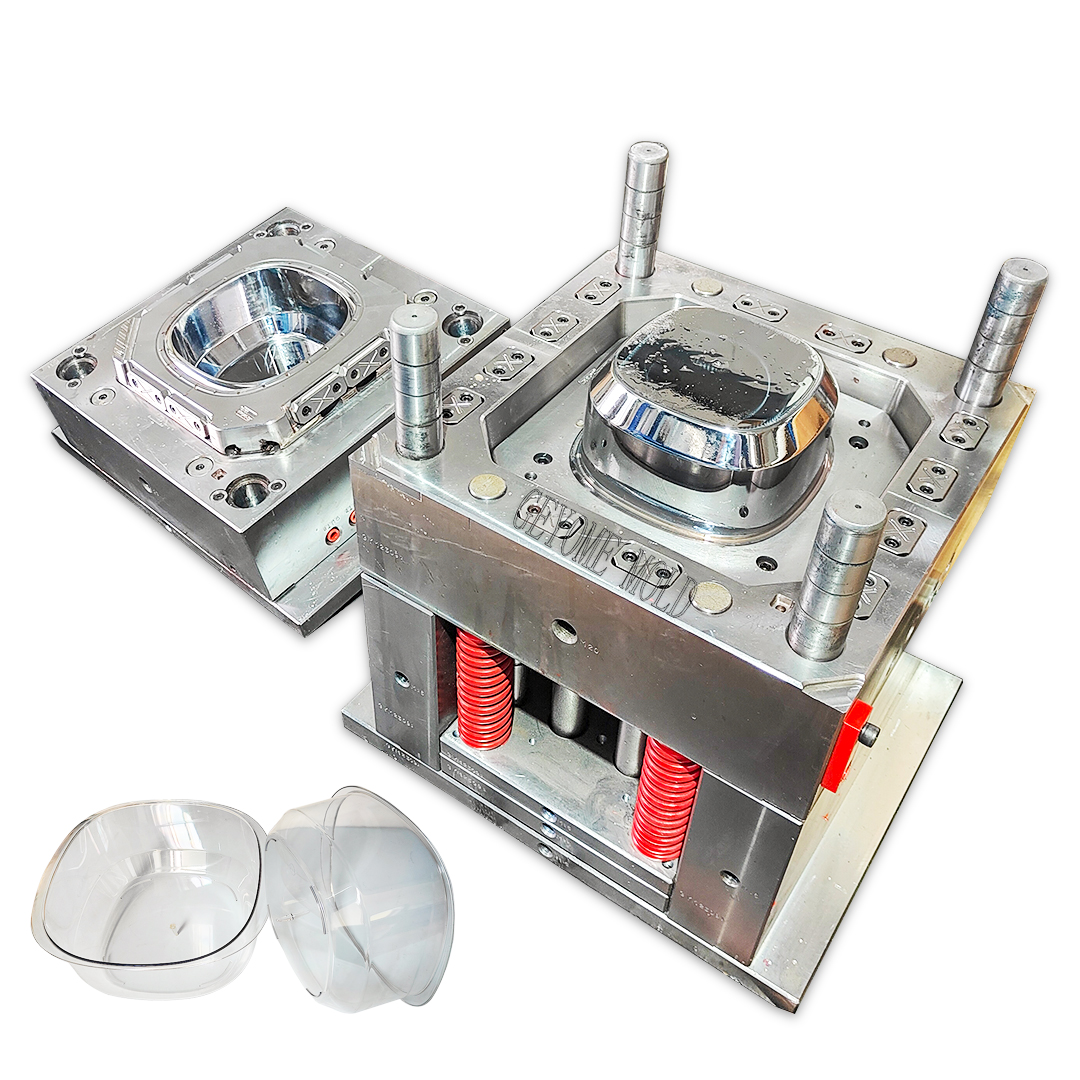
Medical mold design represents one of the most demanding specializations within precision manufacturing. Creating molds for medical devices requires exceptional attention to detail, strict adherence to regulatory standards, and deep understanding of material science and processing conditions. The stakes are remarkably high because defects in medical mold design directly impact patient safety, device efficacy, and regulatory compliance. Healthcare manufacturers face complex technical hurdles when developing tooling that meets both functional requirements and stringent industry regulations. Understanding the primary medical mold design challenges and their solutions is essential for anyone involved in medical device manufacturing.
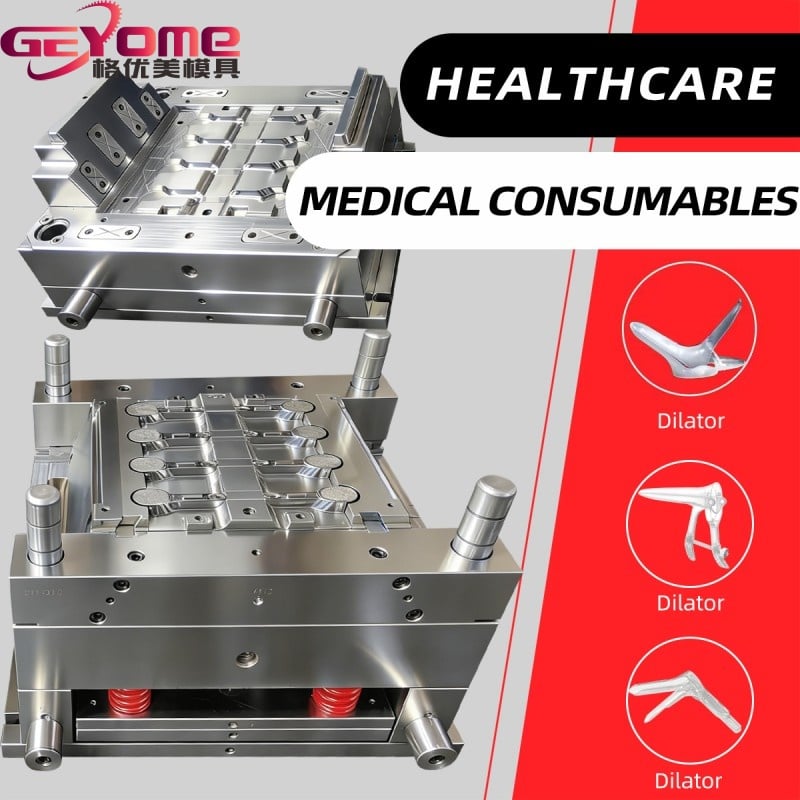
The complexity of medical mold design extends beyond conventional injection molding because medical devices must integrate biocompatibility, dimensional precision, surface finish quality, and sterilization compatibility into a single manufacturing solution. These interconnected requirements mean that addressing one medical mold design challenge often creates secondary considerations that demand careful balancing. Successfully navigating medical mold design requires systematic problem-solving, proven design practices, and collaboration between design engineers, materials specialists, and manufacturing partners who understand the unique constraints of the healthcare industry.
Precision and Tolerance Control in Medical Mold Design
Achieving Tight Dimensional Specifications
Medical devices often require dimensional tolerances measured in micrometers, far tighter than most consumer or industrial products. This precision requirement fundamentally shapes medical mold design strategy because even microscopic deviations can compromise device functionality or create safety risks. For example, a vaginal speculum requires precise inner dimensions to ensure proper visualization without patient discomfort, making medical mold design for such devices inherently complex. Achieving these tolerances in medical mold design demands investment in high-precision machining equipment, such as CNC machines capable of sub-micron accuracy, and skilled toolmakers who understand material behavior under molding conditions.
Temperature control during molding plays a critical role in maintaining dimensional stability. Medical mold design must incorporate sophisticated cooling systems that maintain uniform mold temperatures throughout the injection cycle. Uneven cooling creates differential shrinkage, which directly contradicts the precision requirements essential to medical mold design. Engineers designing medical mold geometry must account for material shrinkage rates specific to each polymer used in medical applications, then reverse-engineer mold cavities accordingly. This reverse-tolerance calculation is a fundamental aspect of medical mold design that requires both theoretical knowledge and practical experience with specific material systems.
Managing Shrinkage and Warping
Post-mold shrinkage represents one of the most persistent challenges in medical mold design. Thermoplastic polymers cool and continue shrinking after the part leaves the mold, and this delayed shrinkage can move dimensions outside acceptable ranges. Medical mold design solutions involve selecting gate locations strategically to minimize directional shrinkage, designing ribs and wall thickness distributions that promote uniform cooling, and sometimes incorporating secondary annealing processes into the manufacturing specification. The medical mold design team must work closely with material suppliers to understand shrinkage behavior for medical-grade polymers, which often differ from commodity plastics.
Warping occurs when different regions of a molded part cool at different rates, creating internal stress that releases as the part reaches room temperature. Medical mold design addresses this through balanced gate design, optimized cooling system architecture, and sometimes adjusting mold cavity geometry to account for expected warping vectors. Advanced medical mold design now incorporates thermal simulation software that predicts cooling patterns and warping tendencies before physical mold construction begins, significantly reducing expensive trial-and-error iterations that would otherwise extend timelines.
Material Compatibility and Regulatory Compliance
Biocompatibility Material Selection
Medical mold design cannot be separated from material selection because the mold itself influences which polymers can be processed successfully. Medical devices typically require biocompatible materials like medical-grade polycarbonate, polyetheretherketone, or silicone elastomers, each with distinct processing requirements that shape medical mold design parameters. A medical mold design for silicone elastomers, for instance, demands fundamentally different mold architecture, venting strategies, and cooling approaches compared to rigid thermoplastic medical mold design. The material choice cascades through every aspect of medical mold design, from maximum processing temperatures to required surface finishes and sterilization resistance.
Regulatory bodies like the FDA require proof that materials used in medical devices meet biocompatibility standards documented through detailed testing protocols. Medical mold design engineers must understand these requirements because processing conditions within the mold can affect material biocompatibility through residue generation, thermal degradation, or surface oxidation. Medical mold design specifications must therefore include processing window constraints that prevent thermal or mechanical abuse to biocompatible materials during the molding cycle.
Sterilization Resistance and Surface Compatibility
Medical devices undergo sterilization processes like gamma irradiation, ethylene oxide gas exposure, or steam autoclaving, each imposing different demands on medical mold design. Gamma sterilization can cause polymers to become brittle or discolored, steam sterilization requires materials with high moisture resistance, and ethylene oxide demands gas permeability specifications. Medical mold design must therefore create parts that tolerate intended sterilization methods without degradation, which influences material selection, wall thickness distribution, and surface finish specifications embedded within the medical mold design documentation.
Surface finish quality directly impacts sterilization effectiveness and device performance. Medical mold design emphasizes polished cavity surfaces because rough surfaces can harbor bacteria, compromise sterilization penetration, or create stress concentration points. The medical mold design process includes specifications for mold cavity polishing to predetermined surface roughness values, typically measured in microinches or micrometers, ensuring that parts extracted from the mold maintain necessary cleanliness and structural integrity for medical applications.
Manufacturing Complexity and Cost Optimization
Multi-Cavity Tooling and Production Scaling
Medical device manufacturers often transition from low-volume development production to higher-volume commercial manufacturing, creating evolving demands on medical mold design. Initial medical mold design might incorporate single-cavity tooling to minimize development costs and reduce risk during early clinical trials, but commercial medical mold design frequently requires multi-cavity configurations to achieve economical production rates. Scaling medical mold design from single-cavity to eight-cavity or sixteen-cavity tooling introduces new challenges: balanced flow distribution across multiple cavities, increased mold size and clamping force requirements, and more complex cooling systems to maintain the thermal uniformity essential to medical mold design consistency.
The economic pressure to optimize medical mold design for cost-effective production must be balanced against maintaining the precision and quality standards required for patient safety. Medical mold design engineers must evaluate trade-offs between mold complexity, production cycle time, scrap rates, and post-molding operations. A well-optimized medical mold design reduces part cost through faster cycles and higher yields while maintaining the dimensional and surface quality that regulatory authorities and end users demand from medical devices.
Design for Manufacturability and Maintenance
Medical mold design must anticipate manufacturing realities and the need for ongoing mold maintenance throughout its operational lifespan. Undercuts, thin walls, and complex geometries that seem necessary from a device functionality perspective can create manufacturability nightmares during medical mold design implementation. The medical mold design process involves deep collaboration between product designers and toolmakers to identify whether challenging device geometry can be achieved through mold design creativity, such as retractable pins, collapsible cores, or sequenced ejection systems, or whether product geometry modifications offer better overall solutions.
Maintenance accessibility is another critical medical mold design consideration. Medical molds run continuously to meet production schedules, requiring periodic inspection, cleaning, and occasional cavity repair. Medical mold design that incorporates accessible cavity sections, replaceable inserts, and logical component organization dramatically reduces downtime when maintenance becomes necessary. Forward-thinking medical mold design specifications include detailed maintenance procedures, replacement part drawings, and diagnostic guidelines that enable production teams to maintain mold performance throughout its service life without requiring frequent manufacturer intervention.
FAQ
What are the most critical precision requirements in medical mold design?
Medical mold design must typically hold tolerances within plus or minus 0.001 inches (25 micrometers) or tighter, depending on specific device requirements. Critical dimensions often include internal cavities that contact patient anatomy, external dimensions that interface with other device components, and any feature affecting device functionality. Medical mold design specifications derive from detailed device engineering requirements, regulatory guidance, and clinical performance data that together establish the minimum precision needed for safe and effective medical devices.
How does sterilization compatibility influence medical mold design?
Sterilization methods impose specific material and processing requirements that fundamentally shape medical mold design decisions. Gamma sterilization requires material formulations resistant to radiation-induced embrittlement, ethylene oxide demands gas-permeable material characteristics, and steam sterilization necessitates moisture-resistant polymers. Medical mold design engineers must understand the sterilization method used for each device and ensure that material selection, processing parameters, and resulting part properties all support the intended sterilization process without compromising device performance or safety.
Can medical mold design accommodate complex device geometries without compromising manufacturability?
Yes, but it requires creative problem-solving and close collaboration between product designers and toolmakers experienced in medical mold design solutions. Retractable cores, sequenced cavity sections, and collapsible mold components can achieve geometries that appear impossible with conventional tooling approaches. Successful medical mold design often involves iterative discussion where toolmakers propose manufacturability solutions that product engineers then evaluate for their impact on device performance and cost, resulting in optimized solutions that satisfy both manufacturing and functional requirements.