
 EN
EN


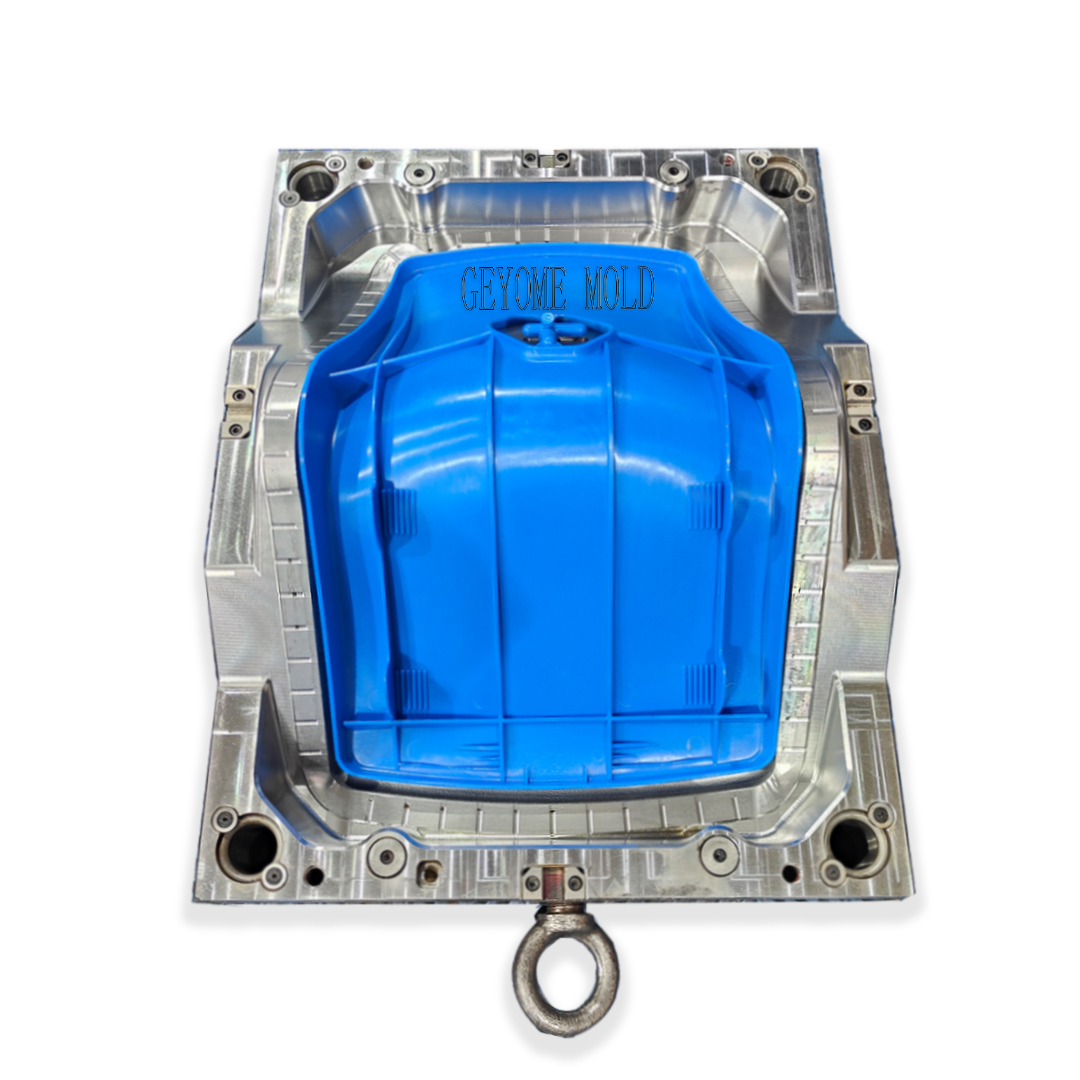
Understanding the distinction between molding tooling and production molds is essential for manufacturers seeking to optimize their injection molding processes and control costs effectively. While the terms are sometimes used interchangeably in industrial contexts, molding tooling and production molds serve fundamentally different purposes in the manufacturing lifecycle. Molding tooling encompasses the initial design, engineering, and prototype development phase, whereas production molds represent the finalized, optimized tools ready for high-volume manufacturing runs. Recognizing this difference helps businesses make informed decisions about resource allocation, timeline planning, and quality assurance strategies.
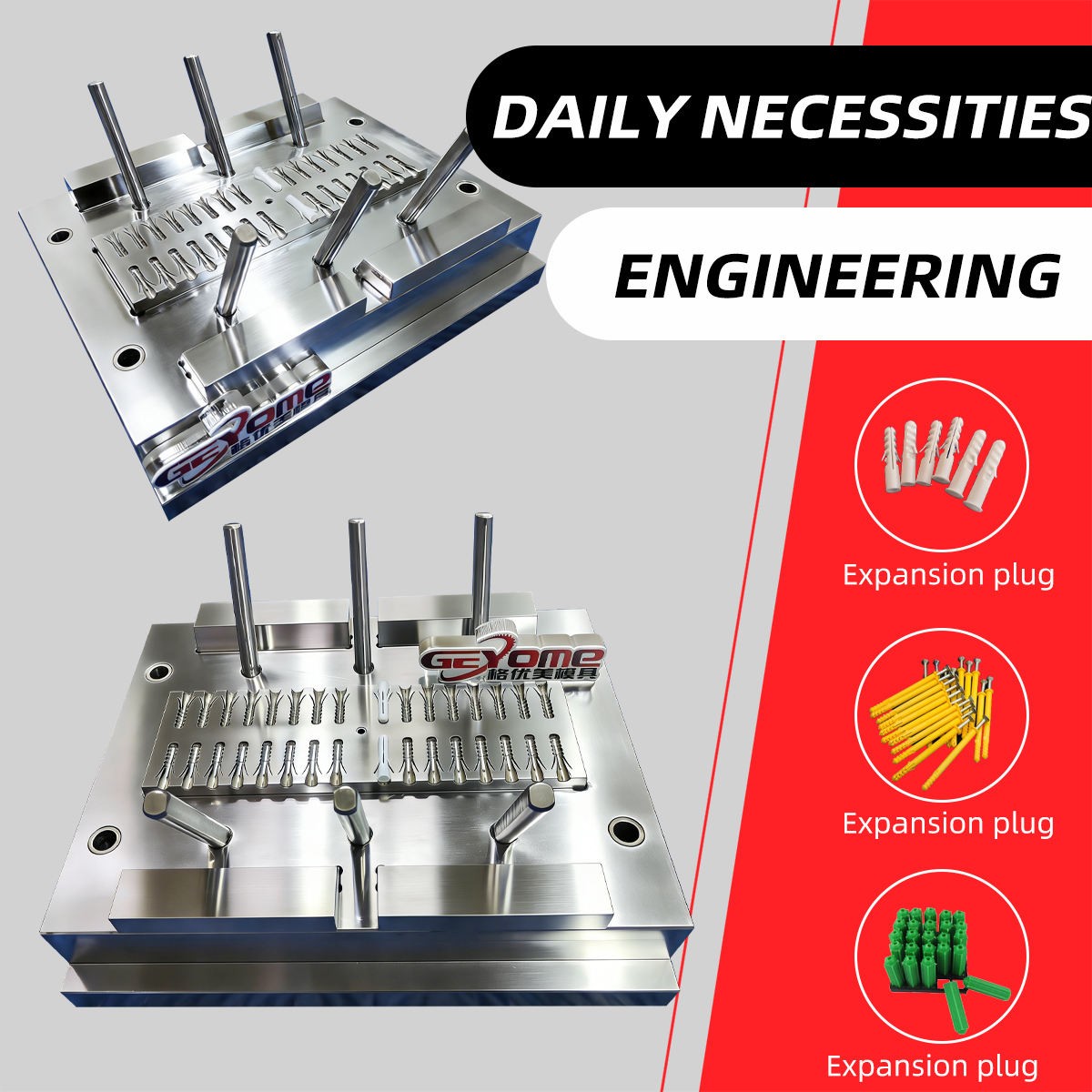
The relationship between molding tooling and production molds is sequential and interdependent. Manufacturers begin with molding tooling to validate designs, test materials, and refine processes before transitioning to full-scale production molds. This progression ensures that when production molds enter service, they have been thoroughly vetted and optimized for consistent output, reduced defects, and maximum operational efficiency. Understanding this workflow prevents costly mistakes and accelerates time-to-market for new products.
Core Purpose and Application Scope
What Molding Tooling Accomplishes
Molding tooling refers to the development and testing phase where engineers design initial mold concepts, create prototypes, and validate manufacturing feasibility. During this stage, molding tooling may include soft tooling solutions made from aluminum or other machinable materials that allow for rapid iteration and design modifications. The primary goal of molding tooling is to answer critical questions: Can this design be manufactured? What material flows best? Where will defects occur? Molding tooling enables designers to experiment, learn, and refine specifications without committing to expensive production molds.
Role of Production Molds in Manufacturing
Production molds, by contrast, are hardened steel or advanced composite tools engineered for high-volume, long-cycle manufacturing. Production molds are built to strict tolerances, incorporate all design refinements from the molding tooling phase, and feature hardened cavities that withstand millions of injection cycles. Where molding tooling prioritizes flexibility and rapid feedback, production molds prioritize durability, consistency, and cost-per-part optimization. Production molds represent the culmination of all insights gained during the molding tooling development phase, translated into a robust manufacturing asset.
Design Complexity and Iteration Cycles
Flexibility in Molding Tooling Development
Molding tooling embraces design iteration as a core feature. Engineers use molding tooling to test cavity geometry, gate placement, cooling line routing, and ejection mechanisms without fear of wasting expensive resources. If a cooling channel underperforms during molding tooling trials, technicians can drill new passages, re-machine cavities, or adjust core pins relatively quickly and affordably. This iterative capability makes molding tooling invaluable for products with novel geometries, challenging material requirements, or uncertain market specifications. The flexibility inherent in molding tooling accelerates problem-solving and reduces the risk of launching defective production molds.
Optimization Requirements for Production Molds
Production molds demand comprehensive optimization because modification costs multiply exponentially once production begins. A production mold incorporates lessons learned from molding tooling trials, ensuring that every feature has been validated, every cooling line optimized, and every potential failure mode addressed. Production molds often include advanced features such as hot runner systems, sequenced valve gates, and precision cooling channels that would be cost-prohibitive to include in preliminary molding tooling. The upfront engineering investment in production molds pays dividends through faster cycle times, reduced scrap rates, and lower per-unit manufacturing costs across millions of parts.
Cost Structure and Return on Investment
Budget Considerations for Molding Tooling
Molding tooling typically requires lower initial capital compared to production molds, making it an attractive choice for companies validating new designs or entering unfamiliar markets. Aluminum-based molding tooling can be fabricated quickly and cost-effectively, allowing manufacturers to run pilot productions and gather market feedback before committing to expensive production molds. However, molding tooling has limited lifespan and cannot sustain extended production runs due to material fatigue and wear. The trade-off is clear: accept higher per-part costs during molding tooling phases in exchange for lower tool investment and reduced downside risk if the product underperforms commercially.
Production Mold Investment and Long-Term Value
Production molds represent substantial capital investment, often tens of thousands of dollars for complex geometries, but deliver exceptional return on investment when volume targets are achieved. A well-engineered production mold can process hundreds of thousands or millions of parts while maintaining dimensional accuracy and surface quality. The per-part cost advantage of production molds becomes pronounced at high volumes, typically breaking even after 50,000 to 100,000 parts depending on complexity and material. Companies planning multi-year product lifecycles with consistent demand justify production mold investment because the cost-per-piece drops dramatically compared to molding tooling alternatives, directly improving profit margins and competitive positioning.
Technical Specifications and Performance Standards
Material and Durability Factors
Molding tooling often utilizes aluminum, beryllium copper, or ductile iron—materials that machine easily but wear relatively quickly under production stress. These materials in molding tooling enable rapid prototyping and affordable modifications, but cavity surfaces degrade after thousands of cycles, leading to dimensional drift and increased scrap rates. Production molds employ hardened tool steel, carbide inserts, and specialized coatings engineered to withstand extreme pressures and temperatures without deformation. The material science behind production molds ensures cavity geometry remains stable across injection pressures exceeding 20,000 pounds per square inch, maintaining part accuracy and surface finish throughout the mold's service life.
Tolerance and Quality Consistency
Molding tooling accepts wider tolerances and surface roughness variations because the objective is rapid learning rather than production-grade consistency. Parts produced from molding tooling may exhibit dimensional variation of ±0.010 inches or more, acceptable for prototype evaluation but unsuitable for commercial distribution. Production molds, conversely, maintain tolerances within ±0.002 inches or tighter, with polished cavity surfaces that produce parts meeting strict cosmetic and dimensional requirements. This precision in production molds reflects months of engineering refinement captured during the molding tooling phase, ensuring every production part meets customer specifications and maintains brand reputation for quality.
Timeline and Market Readiness
Speed-to-Market Advantage of Molding Tooling
Molding tooling accelerates product validation timelines significantly, allowing manufacturers to market test concepts within weeks rather than months. A well-resourced tooling shop can design and fabricate aluminum molding tooling, run initial samples, and integrate design feedback within 4–8 weeks, enabling rapid market entry for time-sensitive products. This speed advantage transforms business strategy by reducing competitive risk and allowing companies to capture market share before competitors finish designing production molds. For companies operating in fast-moving sectors like consumer electronics, automotive accessories, or consumer packaged goods, the molding tooling phase provides critical market intelligence that informs production mold specifications and manufacturing volume projections.
Production Readiness and Volume Ramp
Production molds take longer to develop—typically 12–16 weeks from design freeze to first production article—but enable high-volume manufacturing immediately upon completion. Once production molds are validated and certified, manufacturers ramp production from zero to thousands of parts per day, capturing market opportunity at scale. The extended development timeline for production molds reflects comprehensive engineering, rigorous testing, and process optimization that cannot be rushed without compromising quality or reliability. Companies plan production mold timelines in alignment with marketing campaigns, supply chain preparation, and distribution readiness, ensuring that when the mold arrives, manufacturing infrastructure stands prepared to execute consistent production runs.
FAQ
When should a manufacturer transition from molding tooling to production molds?
A manufacturer should transition from molding tooling to production molds once design validation is complete, market demand is confirmed, and volume projections exceed break-even thresholds. If pilot production from molding tooling reveals design defects, material incompatibilities, or process instabilities, continue iterating with molding tooling before committing to production molds. However, if pilot results confirm design viability and sales forecasts support 100,000+ unit volumes, the cost-per-part advantage of production molds justifies investment immediately. Delaying this transition risks losing market share to competitors running production molds at lower unit costs, making the business case unattractive despite quality success.
Can molding tooling be reused for multiple production runs?
Molding tooling can support limited repeated production runs—typically 10,000–50,000 parts—depending on material grade and process parameters, but excessive reuse accelerates wear and compromises dimensional consistency. Aluminum-based molding tooling exhibits surface fatigue and cavity erosion after extended cycles, causing dimensional creep and surface defects that render parts unacceptable. Rather than repeatedly repairing aging molding tooling, manufacturers invest in production molds once volume justifies the capital outlay, eliminating scrap losses and production delays caused by tool maintenance. This strategic approach balances cost control during development phases with operational efficiency during sustained manufacturing.
How does molding tooling vs production molds affect product cost and pricing?
Molding tooling results in higher per-part manufacturing costs due to shorter mold lifespan, reduced processing efficiency, and increased scrap rates, necessitating higher product pricing or lower margins during pilot phases. Production molds reduce per-part costs dramatically—often by 30–50% compared to molding tooling alternatives—enabling competitive pricing, market share expansion, and improved profitability at scale. This cost advantage of production molds directly flows to the bottom line, supporting price reductions that capture market share or maintaining high margins that fund product innovation and brand investment. Strategic manufacturers recognize that transitioning to production molds at the right volume threshold transforms economics from loss-leading development to highly profitable ongoing business.