
 EN



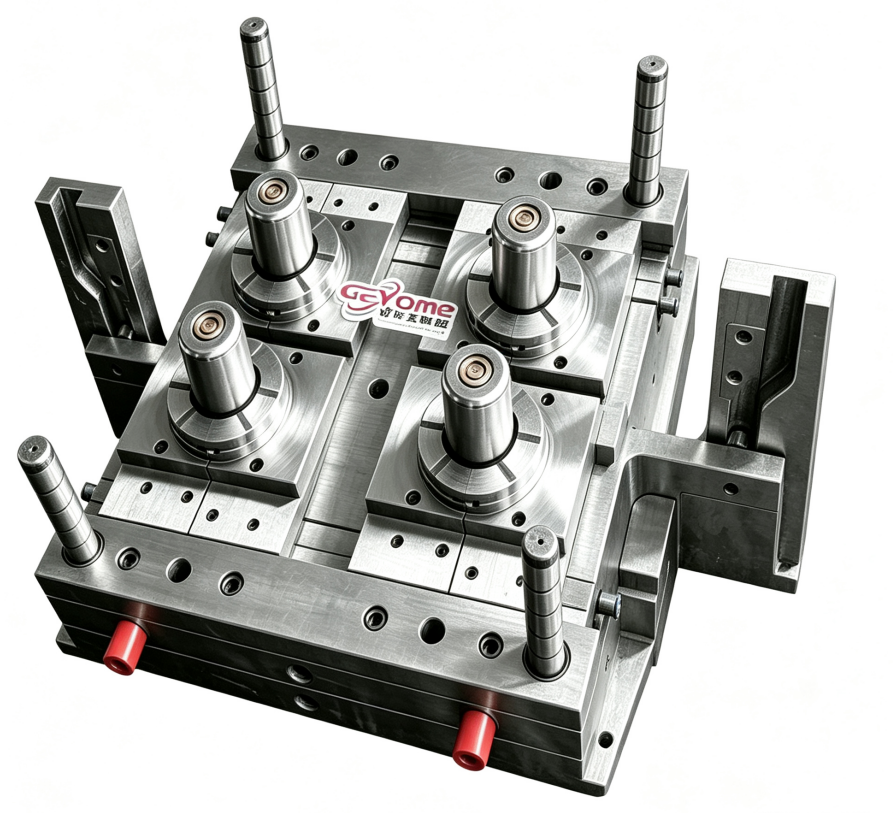
In injection molding, the quality of your final product depends heavily on the precision and condition of your tooling. Each mold part plays a critical role in determining whether your production runs smoothly or encounters costly defects and downtime. Understanding which mold parts have the greatest impact on product quality is essential for manufacturers who want to maintain consistency, reduce scrap rates, and protect their reputation in competitive markets.
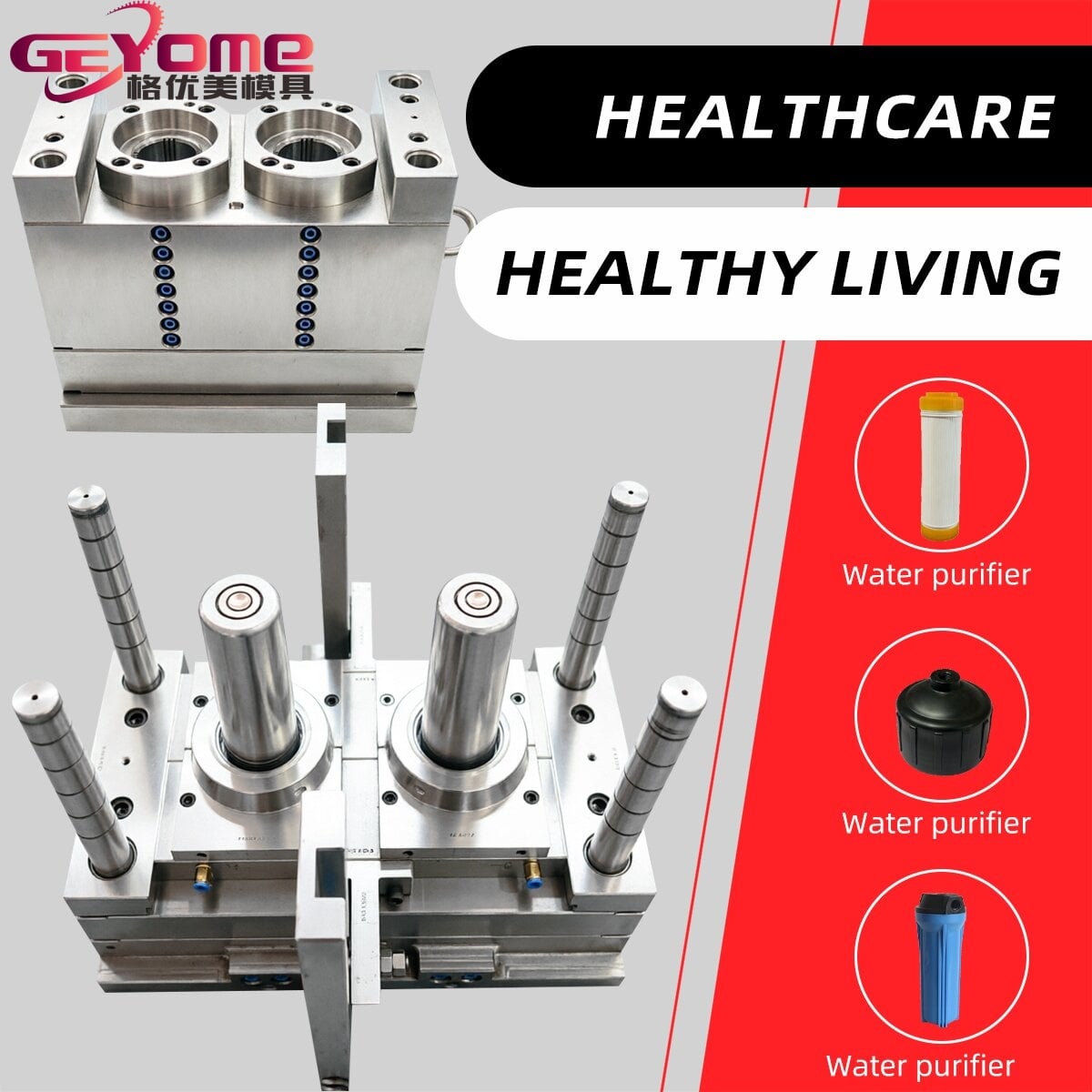
When manufacturing operations depend on precision tooling, every mold part element becomes a contributor to overall success. Whether you manufacture consumer goods, automotive components, or industrial equipment, the reliability of your mold parts directly influences dimensional accuracy, surface finish, material flow, and production efficiency. This guide explores five critical mold parts that demand your attention and investment to achieve consistent, high-quality output.
Cavity Inserts and Core Elements
Defining Role in Dimensional Accuracy
Cavity inserts and core elements form the actual shape of your finished product. These mold parts must maintain precise dimensions throughout thousands of injection cycles. Any wear, erosion, or damage to cavity surfaces directly translates to out-of-spec parts and customer complaints. Manufacturers recognize that cavity inserts represent one of the most visible mold part investments because their condition directly determines whether parts meet tight tolerances.
Material selection for cavity inserts is crucial. Tool steel grades, hardness levels, and surface treatments all influence how long these mold parts remain dimensionally stable under extreme injection pressures and temperatures. When cavity surfaces begin to degrade, even slightly, dimensional drift accelerates and scrap rates climb rapidly. Regular inspection and predictive maintenance of cavity mold parts prevent catastrophic tooling failure mid-production run.
Maintenance Impact on Performance
Proper maintenance protocols extend the life of cavity mold parts significantly. Polishing, coating restoration, and periodic re-machining keep these critical mold parts in optimal condition. Facilities that implement structured mold part care schedules experience fewer defects and longer tool life. Conversely, inadequate maintenance accelerates cavity wear and forces expensive re-tooling sooner than necessary.
Runner Systems and Gate Design
Flow Control and Material Distribution
Runner systems and gates serve as the highway through which molten plastic travels into cavity mold parts. Poor gate design or runner imbalance creates pressure inconsistencies, incomplete fills, and material degradation. These mold parts must be engineered to deliver uniform material flow to all cavities simultaneously. When runner systems fail to distribute material evenly, some cavities produce excellent parts while others show flash, short shots, or sink marks.
The gate itself—a critical mold part element—controls where material enters the cavity and how pressure builds. Oversized gates cause excessive material waste; undersized gates create backpressure that damages resin molecular structure. Optimally designed runner and gate mold parts reduce cycle times, lower material consumption, and produce parts with superior mechanical properties and appearance.
Temperature and Wear Considerations
Runner systems experience continuous thermal cycling and material friction. High-quality mold parts in runner systems must resist corrosion from processing additives and maintain smooth surfaces to minimize pressure drop. When runner mold parts accumulate buildup or develop erosion, material velocity changes, temperatures rise unpredictably, and part quality degrades. Regular purging and preventive cleaning of runner mold parts maintains flow efficiency and reduces scrap.
Cooling Channel Efficiency
Temperature Control as Quality Foundation
Cooling channels embedded within mold parts regulate part temperature during solidification. These mold parts directly influence cycle time, part warpage, and surface quality. Inadequate cooling causes parts to stick to cavities, warp as they cool unevenly, or develop residual stress that compromises long-term performance. Conversely, excessive cooling extends cycle time unnecessarily and increases production costs per part.
Modern mold parts increasingly incorporate conformal cooling channels that follow cavity geometry closely. These advanced mold parts extract heat more efficiently than traditional straight channels, enabling faster cycles and superior part quality. Temperature uniformity across all cavities ensures consistent part properties and eliminates quality variation between parts produced early and late in a production run.
Scale and Blockage Prevention
Water quality directly impacts cooling mold parts. Mineral deposits, corrosion, and biological growth reduce cooling efficiency over time. These problems develop slowly, making cooling mold parts a frequent source of gradual quality degradation that operators overlook until parts already show defects. Facilities that use deionized water and maintain cooling system mold parts experience better temperature control and more stable production windows.
Ejector Pins and Stripper Mechanisms
Release Quality and Part Integrity
After molding completes, ejector pins and stripper plates must remove parts cleanly without damage. Worn or misaligned ejector mold parts cause parts to stick, jam, or suffer surface scratches and deformation. These mold parts represent a significant quality control point because ejection forces directly stress parts while they remain slightly soft. Inadequate ejector pin design or condition produces parts with witness marks, ejection pin impressions, or broken features.
Stripper plate mold parts that function smoothly enable efficient, consistent part removal. When these mold parts wear unevenly or develop play and deflection, ejection becomes inconsistent. Some parts eject cleanly while others require manual intervention, increasing labor and defect risk. Premium mold parts in ejection systems justify their cost through reliable, damage-free part release across production runs.
Shut-Off Surfaces and Seals
Preventing Material Leakage and Flash
Shut-off surfaces where different mold part sections mate together must seal precisely to prevent material leakage and flash formation. Microscopic surface irregularities on these critical mold parts allow molten plastic to squeeze between parting lines, creating burrs that require labor-intensive removal. Even slight wear on shut-off mold parts degrades seal integrity and increases scrap dramatically.
Precision engineering of shut-off mold parts requires careful attention to surface finish, parallelism, and contact pressure. Many quality issues trace back to inadequate shut-off mold parts that allow small amounts of flash that accumulate across thousands of parts. Investment in high-quality shut-off surfaces as part of overall mold part design prevents systemic quality problems and reduces post-molding labor.
FAQ
How often should I inspect critical mold parts to maintain quality?
Most manufacturers should inspect mold parts at minimum every 50,000 cycles or monthly, whichever comes first. High-precision applications or those running filled materials may require more frequent mold part inspection. Visual checks for wear, dimensional audits, and cooling system evaluation help catch degradation early before it impacts part quality. Predictive maintenance programs that track mold part performance data identify trends and schedule maintenance proactively rather than reactively.
What is the relationship between mold part material selection and product quality?
Mold part material grade directly affects wear resistance, thermal conductivity, and dimensional stability under processing stress. Higher-grade tool steel mold parts resist wear longer and maintain dimensional accuracy through extended production runs. Mold parts machined from appropriate materials for your specific plastic resin and processing conditions will produce superior parts and achieve longer tool life, making the material investment worthwhile over the mold's lifetime.
Can inadequate mold part maintenance affect more than just visible defects?
Yes, mold part degradation influences mechanical properties and long-term performance of finished parts. Dimensional shift from worn cavity mold parts, inconsistent cooling from scale in channels, and irregular material flow from degraded gate mold parts all impact material crystallinity, strength, and durability. Parts that appear acceptable visually may fail in service if mold part condition allowed process variations that compromised material properties during manufacturing.